 Eski Pano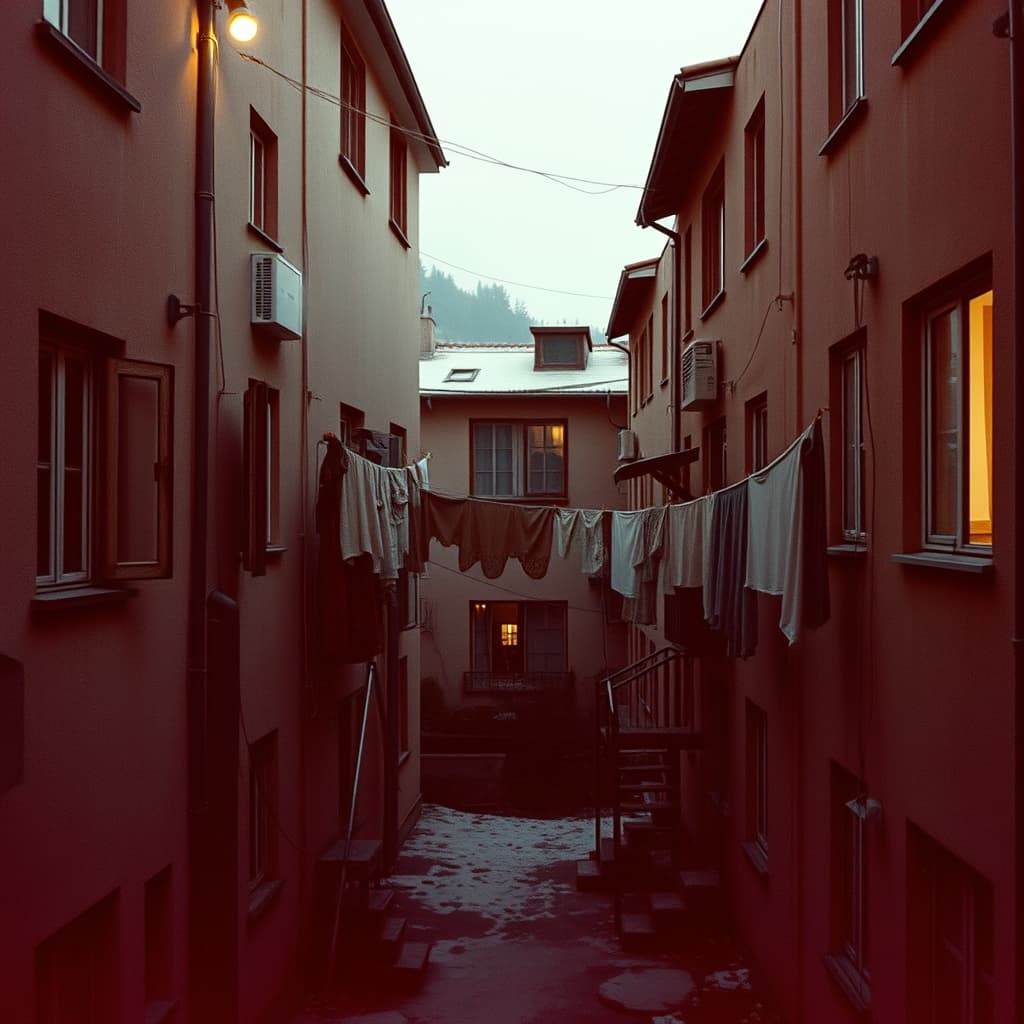
On a winter evening, laundry lines could divide and connect a neighbourhood view. Sheets moved between windows, shirts stiffened in cold air, and steam escaped kitchens below. A neighbour called across a courtyard while someone checked whether fabric had begun to freeze. The scene feels warm in memory because communication crossed narrow distances, even when the work itself was cold, repetitive, and physically demanding.
Drying practices differed by climate, housing, fuel, water access, household income, and decade. Lines stretched across courtyards, balconies, terraces, kitchens, bathrooms, or shared roofs. Some buildings had washhouses; others relied on hand basins or communal taps. A picturesque line of white sheets should not be mistaken for evidence that washing conditions were comfortable or equal.
Laundry Mapped Shared Space
Hooks, pulleys, poles, and agreed sections of line formed an informal system. Households negotiated washing days, shadows, dripping water, soot, and access to a roof or courtyard. A fallen garment could bring a knock at the door; a line crossing a passage could cause dispute. Neighbourliness was made through repeated coordination, not through uninterrupted harmony.
Women and girls performed much of the washing, wringing, carrying, hanging, collecting, ironing, folding, and mending. Heavy wet textiles strained hands, shoulders, and backs. Cold water, detergents, poor ventilation, and smoke affected skin and lungs. Remembering balcony conversation without naming this labour turns a demanding household system into scenery.
Winter Changed Fabric and Air
Low temperature slowed evaporation, while high humidity and still air left textiles damp. Freezing made cloth rigid but did not magically complete safe drying. Bringing wet laundry indoors increased moisture and could contribute to condensation and mould without adequate ventilation and heating. Drying directly on unsafe heaters or stoves introduced scorching, fire, and combustion hazards.
Coal and wood smoke settled on fabric and façades in many districts, while later fuels and heating systems changed the smell and colour of winter air. Soot was not merely atmosphere; it reflected air pollution with serious health consequences. Archival images of hazy streets should be read alongside fuel records, public-health data, weather, and residents' testimony.
Visibility Brought Contact and Exposure
Laundry disclosed household size, work clothes, children's ages, sickness, ceremonies, and economic circumstances. Residents developed ways to hide intimate garments or choose quieter hours. Photographers should recognise that a visually appealing courtyard contains private domestic information. Publication needs respectful framing, consent where possible, and avoidance of ridicule or class stereotypes.
Lines also carried practical risk. Poor anchors, overloaded cords, leaning from windows, slippery roofs, and improvised electrical proximity could cause falls or injury. Modern heritage demonstrations should not reproduce unsafe arrangements. Secure fixtures, guarded access, suitable ladders, weather awareness, and separation from power lines matter more than visual authenticity.
Redevelopment, enclosed balconies, dryers, central heating, traffic, and apartment regulations transformed these views. Technology reduced some physical burden but added energy costs and new maintenance needs. Outdoor drying remains useful where safe and permitted, yet nostalgia should not pressure residents to display private laundry or abandon accessible modern solutions.
A Digital Nostalgia Archive can connect laundry lines with housing plans, utility bills, fuel deliveries, wash tools, textile labels, weather reports, public-health records, and oral histories from the people who did the work. The scene became a warm emblem because voices and small favours travelled between hanging fabric. Its honest memory includes cold hands, damp rooms, soot, negotiation, privacy, and the labour that kept households clothed through winter.