 Eski Pano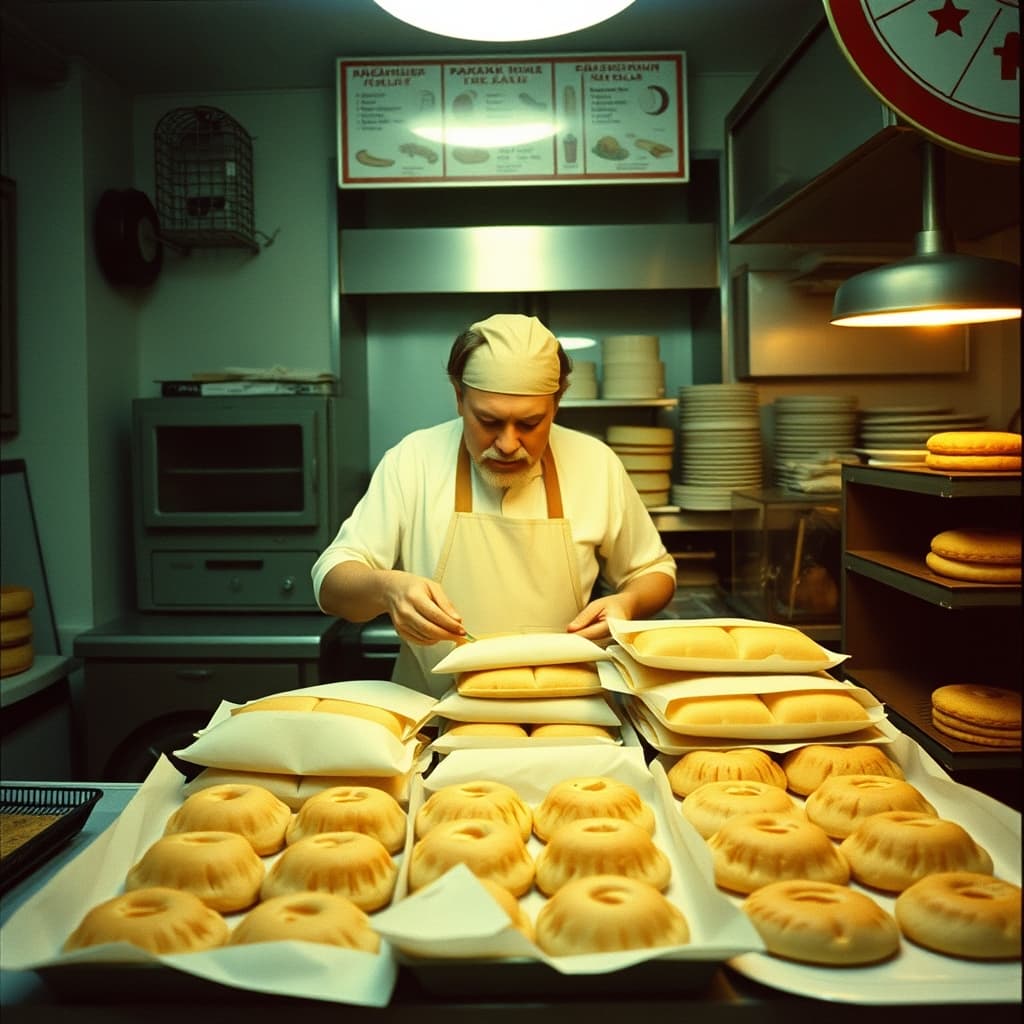
A paper parcel of warm poğaça could change the smell of an entire home before anyone sat down. Butter or another fat, toasted flour, cheese, sesame, and hot paper released their aromas in the hallway. Tea was started, plates appeared, and the person returning from the neighbourhood bakery became the bearer of breakfast. The ritual felt effortless because much of its work had happened before sunrise.
Poğaça is not one standard product. Bakeries and homes make soft yeasted versions, crumbly pastry-like doughs, layered forms, filled or plain shapes, and recipes using different fats, dairy products, eggs, flours, seeds, herbs, potatoes, olives, or cheeses. Names overlap across regions and businesses. An archive should record the recipe, maker, place, and date rather than declaring one texture universally authentic.
The Bakery Day Began in Darkness
Bakers measured ingredients, mixed and rested dough, prepared fillings, portioned pieces, shaped trays, heated ovens, baked batches, cooled products, and opened the counter while streets were still quiet. Fermentation depended on time and temperature. Pastry styles required control of fat and handling. Consistency came from repeated judgement as well as written formulae.
The labour included dishwashing, flour delivery, lifting, cleaning, stock rotation, counter service, bookkeeping, and waste management. Early and night shifts affected sleep and family life. Hot surfaces, mixers, blades, flour dust, slippery floors, and heavy sacks required guards, ventilation, training, protective practice, and fair working conditions. A fragrant shop was also a demanding workplace.
The Parcel Preserved Heat and Expectation
Paper wrapping absorbed some surface fat and allowed steam to escape, helping the crust avoid immediate condensation. If tightly enclosed while very hot, products could soften. Newspaper or printed recycled paper is not suitable for direct food contact unless specifically manufactured and approved for that use. Clean food-grade paper, tongs, protected displays, and separation of cash handling support safe service.
The walk home created a narrow window between oven and table. Family members might tear the parcel open before tea was ready, compare cheese distribution, or save one piece for a late sleeper. That shared anticipation built loyalty to a particular bakery. It could also hide unequal household roles: someone queued, paid, prepared tea, served, and cleaned while others received the treat.
Freshness Did Not Replace Food Safety
Cheese, meat, or other perishable fillings require appropriate preparation, baking, display temperature, and storage. A warm product is not automatically safe if ingredients or handling were poor. Leftovers should follow current food-safety guidance and should not remain for long periods in a warm room. Reheating may restore texture but cannot reverse spoilage or unsafe storage.
Allergen information is essential. Wheat and other gluten-containing cereals, milk, egg, sesame, and possibly nuts or soy may appear in dough, filling, topping, release agents, or shared equipment. Customers need accurate answers based on recipes and cross-contact controls, not reassurance by appearance. A plain-looking poğaça may contain several allergens.
Neighbourhood bakeries built trust through recognisable staff, reliable opening hours, honest freshness, correction of mistakes, and knowledge of regular customers. Yet familiarity should not replace receipts, hygiene standards, ingredient transparency, or fair pricing. Rising rent, energy, flour, dairy, and labour costs shaped size and recipe changes that customers sometimes remembered simply as a loss of former taste.
A Digital Nostalgia Archive can connect poğaça with bakery ledgers, oven tools, food-grade wrappers, price boards, recipes, delivery routes, worker schedules, family breakfast photographs, and recorded bakers. The aroma filled the house because skill, heat, paper, walking distance, and expectation arrived together. Preserving that memory means naming early labour and changing ingredients while keeping freshness, allergen knowledge, food safety, and household work in the same parcel.