 Eski Pano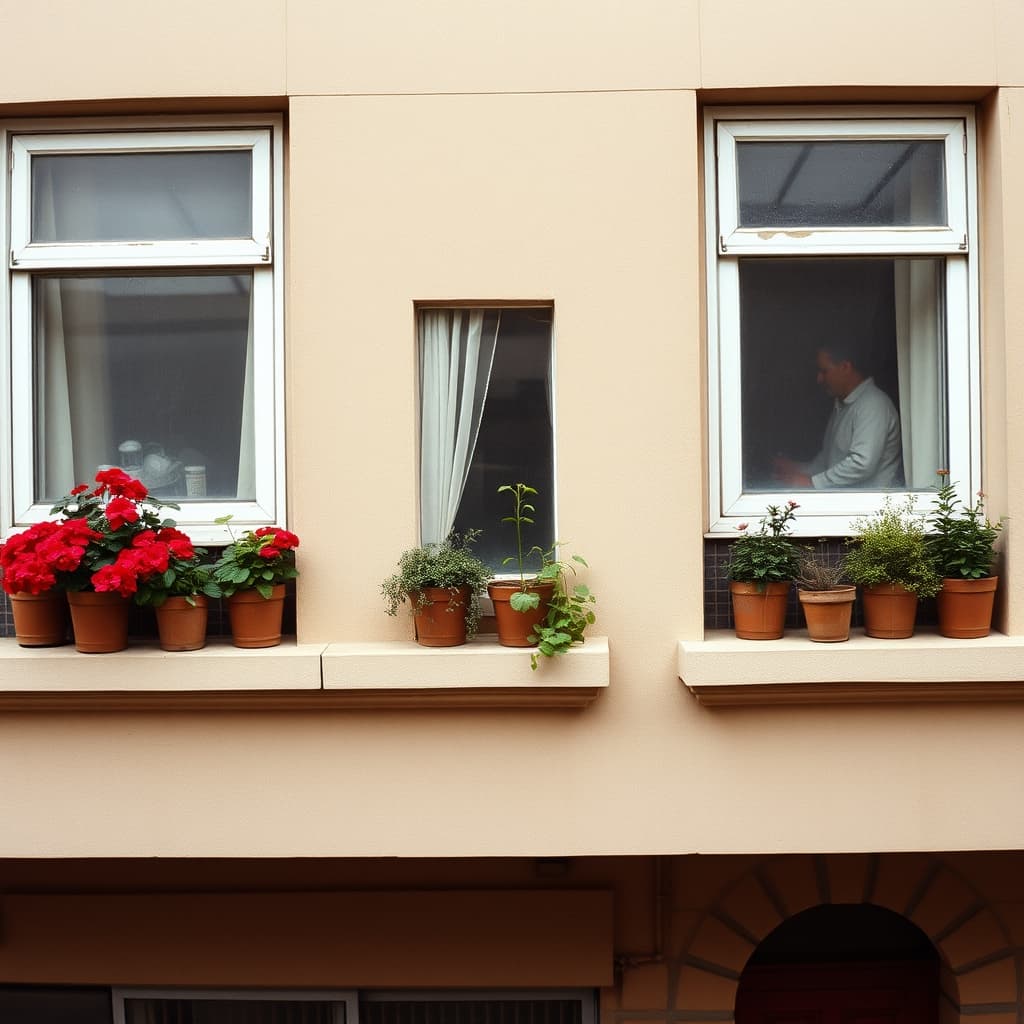
A row of flowerpots on a window ledge made private care visible from the street. Geraniums, basil, carnations, succulents, or seasonal seedlings changed with climate and household preference. The display could soften a façade and invite conversation, but it was never only decoration. Each pot required water, drainage, secure placement, and attention to the people and property below.
Older neighbourhoods often brought windows close to pavements, courtyards, and neighbouring homes. A person watering plants might exchange news, offer a cutting, or notice that an older resident's shutters had not opened. Repeated visibility supported familiarity. Yet warmth came from behaviour, not architecture alone; the same closeness could also create unwanted observation or conflict.
A Small Garden Needed Rules
Water had to be given without soaking laundry, pedestrians, or the façade below. Saucers controlled runoff but could hold stagnant water and require cleaning. Pots needed stable bases and protection from wind. A falling container can cause serious injury, so romantic photographs should never encourage unsafe ledge placement.
Building materials also mattered. Constant moisture could stain stone, damage plaster, corrode metal, or enter cracks. Residents learned to move pots during storms, reduce weight on weak ledges, and respect repair work. Today's apartment and site rules may restrict exterior objects for safety and maintenance. Such rules do not automatically destroy community; they can invite safer shared alternatives.
Cuttings Carried Social Knowledge
Plants circulated through cuttings, seeds, divided roots, and practical advice. A neighbour explained which window received too much sun, when a geranium should be pinched, or how a herb survived winter. The gift was living material accompanied by knowledge. Recording local plant names, donor names, dates, and cultivation practices can preserve this exchange without claiming every variety as unique.
Plant health also required responsibility. Pests could spread between close pots, and invasive species should not be released outdoors. Soil, fertiliser, and treatments must be chosen with regard for children, animals, drainage, and local ecology.
Can New Housing Recover the Warmth?
Large residential sites often place homes farther from the street and regulate façades. Balconies may replace ledges, while underground parking and controlled entrances alter chance encounters. The difference can feel colder, but nostalgia alone cannot rebuild trust. Residents need repeated, voluntary opportunities to care for something visible together.
Secure balcony planters, shared courtyard beds, community gardening tables, and agreed watering schedules can translate the older habit. Accessibility matters: older people and residents with limited mobility need comfortable heights, shade, and clear paths. Participation should be invited rather than used as a measure of good neighbourliness.
The window-box era remains valuable because it joined beauty with duty. A flower facing the street depended on unseen tasks and respect for those below. Its lesson is not to place an unsecured pot on every modern sill. It is to recognise that neighbourhood warmth grows when private care offers a safe, modest benefit to shared space—and when that gesture leaves room for different tastes, boundaries, and ways of belonging. That mutual restraint matters as much as colour, scent, or the pleasure of seeing green leaves from the pavement.