 Eski Pano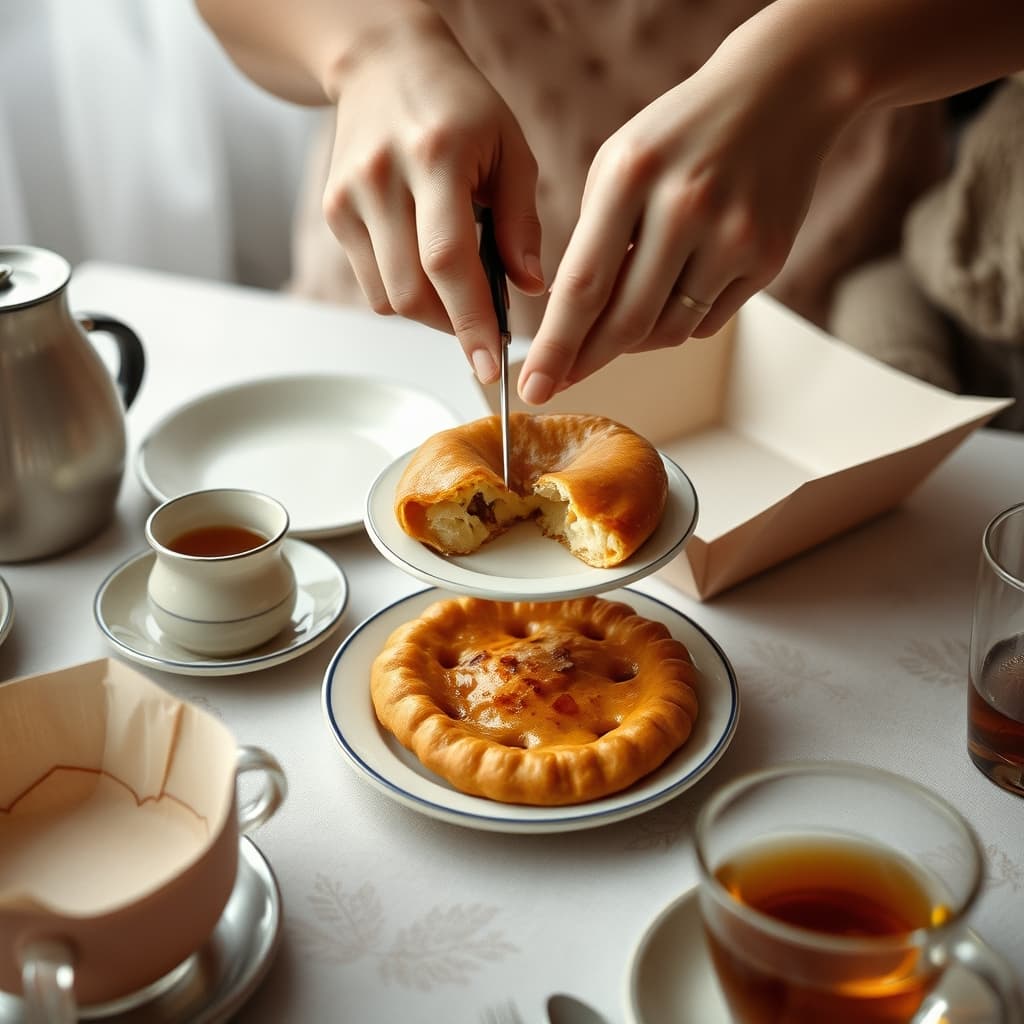
Opening the parcel brought the bakery into the house, but breaking the first poğaça changed the smell again. The surface gave way, the inner texture became visible and the filling, if there was one, appeared. At the table, a familiar pastry was recognised through this small examination as much as through its shape. Someone could know what they had bought before taking the first bite.
Poğaça covers different doughs, sizes and fillings. A soft yeasted version behaves differently from a crumbly one, and a plain piece offers another experience from cheese, olive or potato filling. The first tear is useful precisely because it reveals a particular pastry. It should not become a test against one universal definition of the correct poğaça.
The Crust Offered the First Resistance
A thin surface could yield easily; a firmer edge might crack or separate from the crumb. Seeds, glaze and browning altered both appearance and the sensation of handling it. None of these features alone identifies the recipe or proves freshness. They form a set of observations that a regular customer may learn to associate with a certain shop.
Temperature changed that reading. A very warm pastry could feel softer than the same piece later, while the parcel’s journey affected its surface. Memories of an ideal first tear often include an unspoken distance from bakery to table. Comparing pastries without remembering that journey can turn a serving difference into a claim about lost craftsmanship.
The Inside Showed What the Outside Concealed
The opened crumb could be airy, close, layered or readily broken into pieces, depending on the dough and method. A seam might hold filling near one end; another pastry might distribute it more widely. These differences explain why two people could choose different pieces from the same parcel without either being mistaken about what they preferred.
The filling was also part of recognition. Its texture, seasoning and proportion mattered alongside the dough. A family might expect a particular balance and notice when it changed. The observation deserves recording, but an ingredient substitution should not be invented from taste alone; the baker’s account or recipe is needed.
Breaking a Piece Could Make Sharing Easier
A half might be offered to someone who wanted to taste a filling, or a child could receive a smaller portion. The person dividing the pastry decided where the split fell and who received each part. This could be considerate or contested when one side held more filling. The small distribution at the table belonged to the meal’s social texture.
Some households used knives and plates, others broke pastries by hand. Clean handling and clear ingredient information matter in either case. Appearance cannot reliably reveal allergens, so a plain-looking piece should not be assumed free of milk, egg or other ingredients that the actual recipe contains.
Aroma Followed the Table’s Timing
Tea, conversation and other food could delay the first bite. The poğaça cooled while the meal assembled, and its aroma mixed with the room’s other smells. A remembered scent filling the house may describe the opening parcel, the broken piece and the gathering around it together, rather than one isolated ingredient.
Not everyone encountered the same moment. The person making tea might eat later; someone returning from work could receive the piece set aside. Those differences give the memory a household structure. The most vivid account asks when each person met the pastry instead of assuming the family tasted it simultaneously.
Preserve the Description Before Naming a Favourite
When collecting a bakery memory, ask how the surface broke, what the inside looked like and where the filling sat. Record the shop and period where known, while keeping uncertainty about the formula. A photograph of a cut section can support texture description, but it cannot recover smell or settle every recollection.
The first tear made a purchased pastry briefly legible. Heat, crumb, filling and a household’s expectations met in one opened piece. That is why the bakery’s poğaça could feel immediately familiar at home: the table had learned how to recognise it, share it and notice its changes before the parcel was empty.