 Eski Pano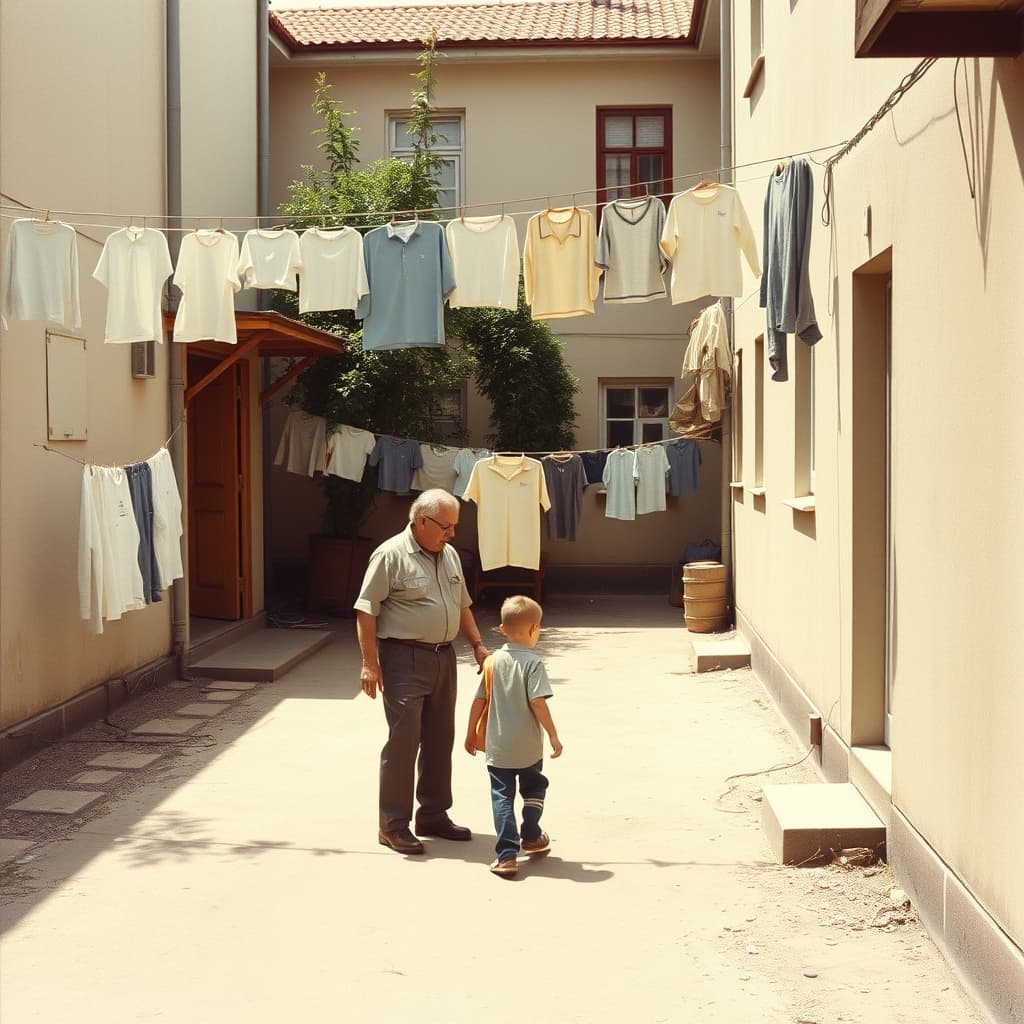
A school shirt on a neighbourhood washing line carried a deadline. It needed to be dry, brought inside and ready before the next morning. Among sheets and ordinary clothes, that smaller garment connected the household’s work to the child’s timetable. On a school-day walk home, the same line could be seen first as scenery and later as the place where tomorrow’s clothes were still waiting.
Uniforms and washing arrangements varied by school, place and period. Some children wore prescribed clothing, others ordinary outfits, and some households had more spare garments than others. The scene should not be reduced to one national routine. Its particular interest lies in the coordination between laundry, weather and returning to class.
A Shirt Occupied More Than a Length of Rope
Where space was shared, the position of laundry affected neighbours. A large sheet could shade smaller garments; dripping water could reach another line; a low section could obstruct a passage. Decisions about where to hang a school shirt were therefore part of the practical negotiation of a courtyard or terrace.
A person might leave a useful patch of line for another household or collect dry items to free space. Such gestures were concrete help, but not guaranteed generosity. Limited room could also produce irritation. Recording the rules of one building gives the scene more substance than describing every clothesline as a symbol of harmony.
Drying Had to Fit the School Clock
Washing late in the day reduced the time available before morning. Wind, shade and damp air changed expectations. The person responsible watched the garment and decided whether to leave it longer, bring it indoors or use another item. That judgement required attention even when the rest of the family saw only a shirt on a line.
The available alternatives were unequal. A household with several sets of clothes had more flexibility than one waiting on a single piece. A child’s anxiety about what to wear could reflect practical scarcity rather than carelessness. Nostalgia should allow that pressure to remain visible beside the remembered warmth of the neighbourhood.
The Walk Home Revealed Work Already Underway
Returning pupils passed a landscape that adults had been changing while they were at school. Fresh laundry, an emptied line or a neighbour folding clothes marked hours of work they had not witnessed. The view linked school time with domestic time without making the two identical.
Children could be asked to bring pegs, gather a light item or carry a message to another flat. Safe, appropriate tasks offered participation, while heavy wet loads and risky window access belonged to a different account. A useful memory names the actual task instead of treating all childhood help as equally benign.
A Change in Weather Could Cross Several Doors
When rain approached, someone seeing it first might warn others or offer to collect laundry with permission. A fallen garment could require a knock downstairs. These brief exchanges explain how a private need became a shared moment, and why a line could hold social relationships as well as fabric.
Privacy remained important. Clothes exposed information about size, age and household circumstances. Not everyone welcomed comments, and intimate items might be placed differently. The warmth of a courtyard conversation should not obscure the wish to keep parts of family life out of view.
Readiness Continued After the Line
Drying was one stage. Clothes still had to be collected, checked, folded or ironed where needed, and put within reach for morning. Missing buttons and small tears could add another task. The person who completed this work deserves a place in the memory, rather than disappearing behind an image of white fabric moving in the breeze.
Ask former residents who managed the line, what happened in poor weather and whether neighbours helped when a school garment was late to dry. Garment photographs and housing plans can support the account. Keep dates and local differences explicit rather than combining several generations into one timeless scene.
The school clothesline made the next morning visible before it arrived. Its warmth came from a shirt returned to its owner, a space offered on the rope or a warning called across the yard. Preserving those particular acts keeps the neighbourhood view connected to the effort that allowed a child to leave home dressed and ready.