 Eski Pano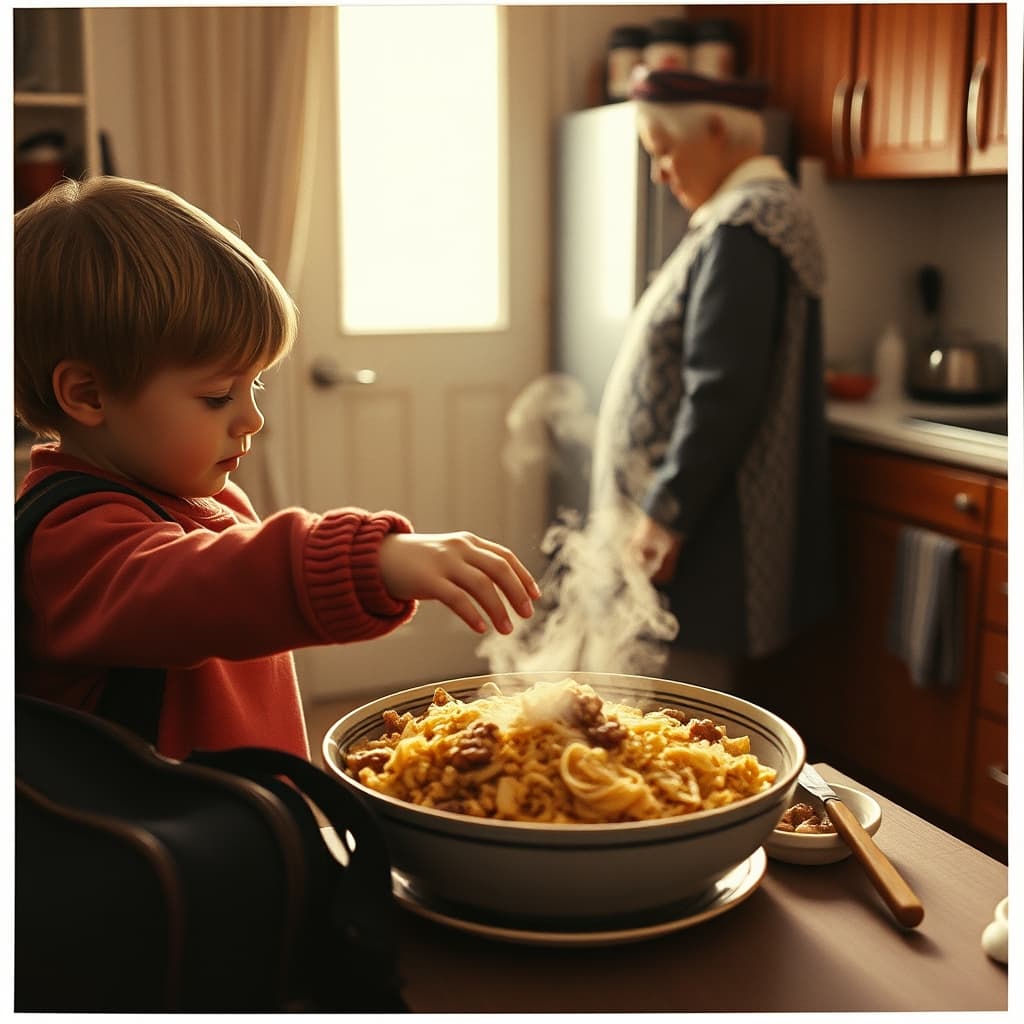
The first spoon reaching toward walnut noodle pilaf after school carried the relief of arriving home hungry. Steam rose from short noodles, butter or oil gave them shine, and crushed walnuts added warmth and texture. The plate could be simple enough for an ordinary weekday yet distinctive enough to become a family signature. Its comfort came not from one fixed recipe, but from repetition at a familiar hour.
Erişte describes cut noodles prepared in varied forms across Turkish households and regions. Some recipes cook noodles by absorption like pilaf; others boil and drain them before adding fat and walnuts. Cheese, lentils, spices, broth, or browned butter may appear. The word pilaf can refer to method and texture rather than the presence of rice. An archive should record exact steps instead of smoothing local differences into one standard.
The Noodles Began Long Before the Meal
Homemade erişte required mixing dough, resting it, rolling sheets, cutting strips, and drying them safely. Families often organised this work seasonally, using clean cloths, boards, knives, and airy space. Thickness and drying affected cooking. Commercial noodles reduced preparation time, but their ingredients and behaviour differed. A remembered bowl should be linked to whether its noodles were homemade, purchased locally, or factory packed.
Drying is food preservation, not merely a picturesque scene. Moist noodles stored too soon can support spoilage. They need appropriate drying, protection from dust and pests, and dry containers. Eggs, when used, require good hygiene. Historical household methods deserve documentation, while current cooks should follow reliable food-safety guidance suited to ingredients and climate.
Pilaf Texture Required Judgement
Some cooks lightly toasted noodles in fat before adding measured hot water or broth. Others sought softness without browning. Heat, pan width, noodle thickness, and liquid ratio determined whether the result stayed separate, tender, or sticky. Resting under a lid allowed moisture to settle. The cook judged by sound and steam as much as by a clock.
Walnuts could be folded through, scattered on top, or warmed briefly in butter. Gentle toasting developed aroma, while high heat made nuts bitter or burned. Freshness mattered because walnuts' oils can become rancid. Nuts should be stored cool and protected from air, and any mouldy or off-smelling pieces discarded rather than hidden by seasoning.
A School-Day Plate Held Family Labour
Timing the dish for a child's return required knowing the school route, reheating safely, and balancing other household work. The meal might wait on a low stove or be finished when footsteps reached the stairs. Women frequently carried this planning and cooking, although roles varied. Naming who rolled, dried, stored, cooked, and washed the pot prevents comfort food from appearing effortless.
Walnuts are a major allergen, and erişte may contain wheat, gluten, and egg. Guests and children need clear information, separate utensils where necessary, and suitable alternatives. Cooked food should not remain for long at unsafe temperatures. Leftovers should be cooled and refrigerated promptly, then reheated appropriately. Memory is best honoured by serving the dish safely.
A Digital Nostalgia Archive can preserve recipe notebooks, noodle cutters, drying photographs, market receipts, storage tins, school schedules, and cooks' testimony. Quantities, pan type, liquid method, and substitutions give future readers something more useful than a perfect-looking plate. Walnut noodle pilaf meant coming home because family time and food time met in one bowl: a route from school, a waiting pot, and the first spoon claimed before the coat was fully off.