 Eski Pano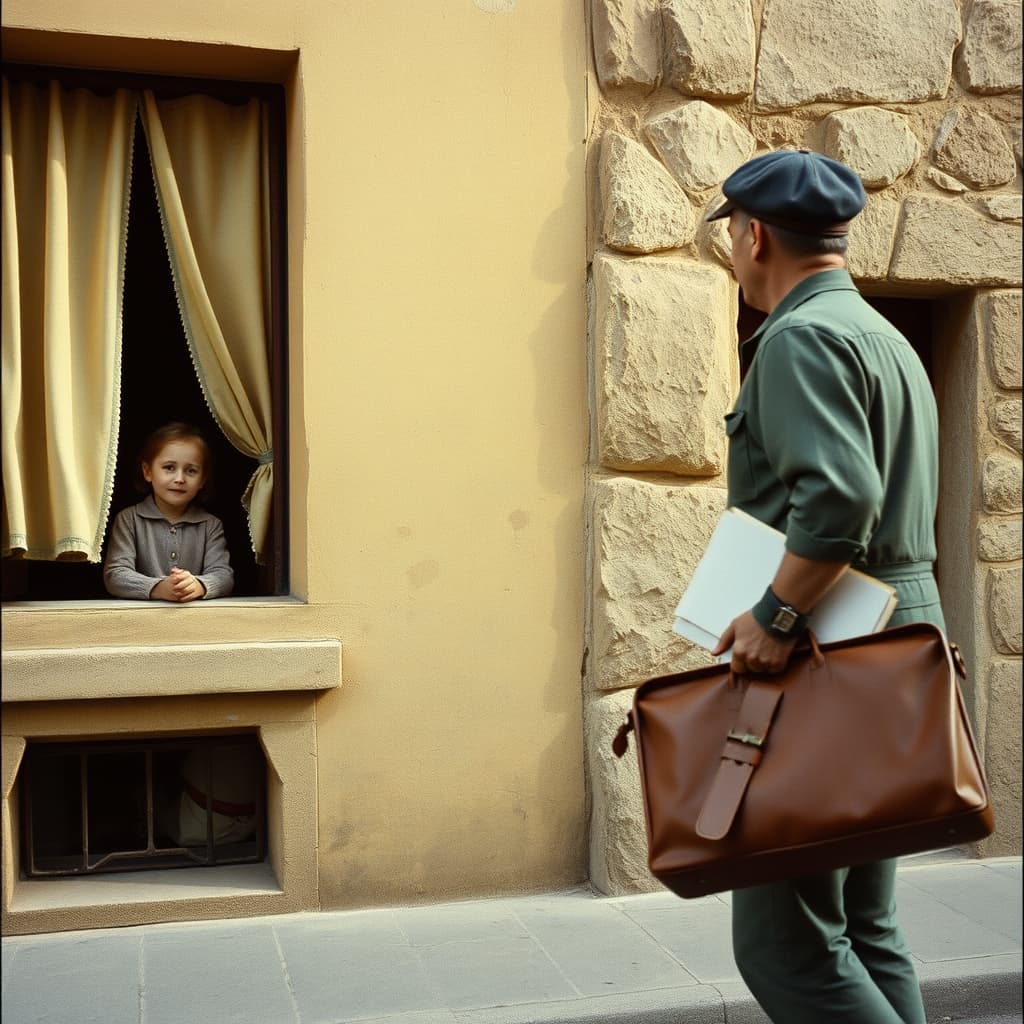
Waiting for a letter could give shape to an entire week. A household listened for footsteps on the warm stone street, checked the entrance after the usual delivery hour, and wondered whether silence meant delay or bad news. The expected envelope might come from a relative in another city, a worker abroad, a school, a hospital, or an institution. Until it arrived, daily life continued around an unanswered question.
The length and reliability of the wait varied by route, service, season, address quality, and historical period. Local letters, international mail, military correspondence, registered items, and postcards travelled through different procedures. Memory often turns waiting into a single timeless experience, but postmarks, stamps, envelopes, tariffs, and transport schedules can locate a particular exchange more accurately.
The Delivery Round Became a Clock
Residents learned the approximate rhythm of the postal worker. A familiar bag, bicycle, vehicle, whistle, knock, or voice could bring people toward a window. In apartment buildings, names on bells and letterboxes mattered; in streets with incomplete addresses, landmarks and local knowledge helped. A changed surname, moved family, or ambiguous number could send the letter back or into a neighbour's hands.
This informal clock was never perfectly precise. Weather, workload, transport disruption, public holidays, and staffing altered delivery. Asking the same question each day—did anything come?—was a way of managing uncertainty. Children might be sent downstairs, shopkeepers might accept an envelope, and neighbours might pass on news of the round. Patience was social, shared among people who knew what was expected.
An Envelope Carried More Than Words
Handwriting offered evidence before the letter was opened. The angle of a name, familiar ink, or unusual haste could change the reader's mood. Paper, weight, scent, foreign stamp, and official seal all suggested possibilities. These interpretations were not always correct, yet they show how material details participated in communication. The envelope began speaking at the doorway.
Reading could be private, collective, or assisted. One family member read aloud; another translated; someone with limited literacy asked a trusted person for help. That support created connection but could expose intimate information. Letters involving money, health, relationships, or legal matters deserve the same privacy in an archive that families expected when the envelope was sealed.
Waiting Was Built on Postal Labour
The anticipated moment depended on clerks, sorters, drivers, transport workers, and delivery staff. Addresses were deciphered, sacks transferred, routes walked, accountable items recorded, and undeliverable mail investigated. Delays were not simply empty time; they often reflected distance, infrastructure, weather, or heavy workloads. Romanticising slowness should not obscure the effort required to make correspondence reliable.
A late letter could arrive after its practical purpose had passed. Invitations, condolences, job decisions, and travel plans were vulnerable to timing. Families used telegrams or telephone calls for greater urgency when available and affordable. Letters remained valuable because they allowed reflection and created a durable record, not because delay was always welcome.
A Digital Nostalgia Archive can connect letters, envelopes, stamps, postmarks, delivery maps, diaries, and oral histories while redacting private addresses and obtaining consent. The order of pages and envelope should be preserved, and a postmark should not be confused with the writing date. Waiting for a letter still aches in memory because hope had a physical route. Until the envelope crossed the threshold, distance remained open, uncertain, and present in every ordinary day.