 Eski Pano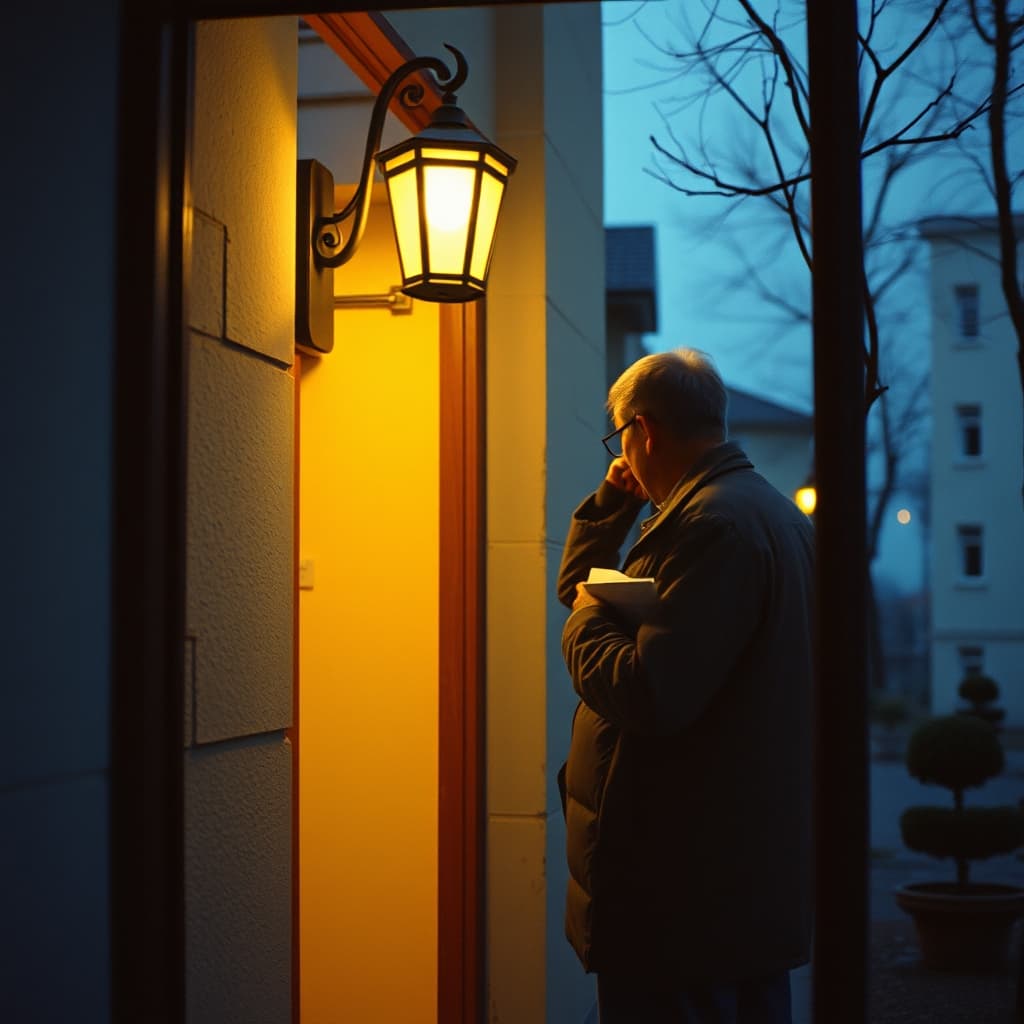
Waiting for a letter was not a single, poetic pause. It was a sequence of ordinary checks shaped by incomplete information. A household might know that news had been sent but not the exact day it would arrive. Footsteps in the stairwell, a gate opening or movement beneath a streetlamp could briefly look significant. Most of those sounds belonged to someone else. Patience grew from repetition, not from knowing that the envelope was already close.
Postal speed varied with place, service, weather, addressing and the route between sender and recipient. A remembered delay should not automatically be blamed on the postal worker, nor should every arrival be described as a surprise. Families often developed expectations from familiar delivery rounds, while accepting that a particular item could fall outside them.
The Address Carried the First Risk
Before waiting began, the sender had to make the destination legible. A changed street name, incomplete number, absent district or difficult handwriting could complicate delivery. Return information offered a possible route back, but did not guarantee a quick explanation. The envelope itself therefore held two journeys: the hoped-for path to the recipient and the possibility of coming home unopened.
When preserving a returned letter, photograph front and back before covering personal details in an access copy. Postmarks, handwritten corrections and postal marks may explain part of its movement. They should be transcribed carefully rather than expanded into a definite story that the evidence does not support.
A Delivery Round Organised Attention
People learned the broad rhythm of a neighbourhood through repeated observation. The postal worker’s route, the time a building entrance became busy and the handling of shared letterboxes all influenced when someone looked for news. In some homes a child checked; elsewhere an adult collected several households’ items from a common point. These practices varied and should be tied to a specific account.
Street lighting appears in many memories because waiting sometimes extended into the visible evening life outside. Yet a lamp did not illuminate the letter’s progress. It simply made arrivals, departures and familiar silhouettes easier to notice. The emotional connection between lamplight and waiting belongs to memory; the postal route still requires separate evidence.
Silence Did Not Explain the Delay
No letter could mean that the sender had not written, the item was still travelling, the address had failed or the recipient had missed it. Without later testimony, the reason remains open. That uncertainty affected how people interpreted relationships: worry, disappointment or restraint could accumulate around an empty letterbox even when no one intended neglect.
A reply also depended on materials and opportunity. Paper, envelope, address, postage and a trip to the post office or box all had to come together. Treating correspondence as effortless hides this labour. It also overlooks unequal literacy, mobility and access, which made some people rely on relatives or neighbours to write and send news.
Archive the Waiting Around the Envelope
An envelope and letter preserve content, but the household routine survives mainly through testimony. Ask who looked for the post, where items were left, how a delayed reply was discussed and whether anyone remembers a return. Keep uncertainty visible. “Usually arrived in the afternoon” is different from a verified schedule; “we worried for a week” is an experience, not a transit record.
Privacy matters even when correspondence is old. Names, addresses, health information and family disagreements may affect living people. Digitisation should separate preservation masters from public copies and document any redaction. The right to study postal culture does not require publishing every sentence inside a private envelope.
The discipline learned from waiting was not passive acceptance. It was the management of a connection that could not be refreshed on demand. A late letter exposed the distance between sending and knowing, while the streetlamp merely marked another evening in which the answer had not yet appeared. That precise uncertainty—not a vague praise of slower times—is what makes the routine worth preserving.