 Eski Pano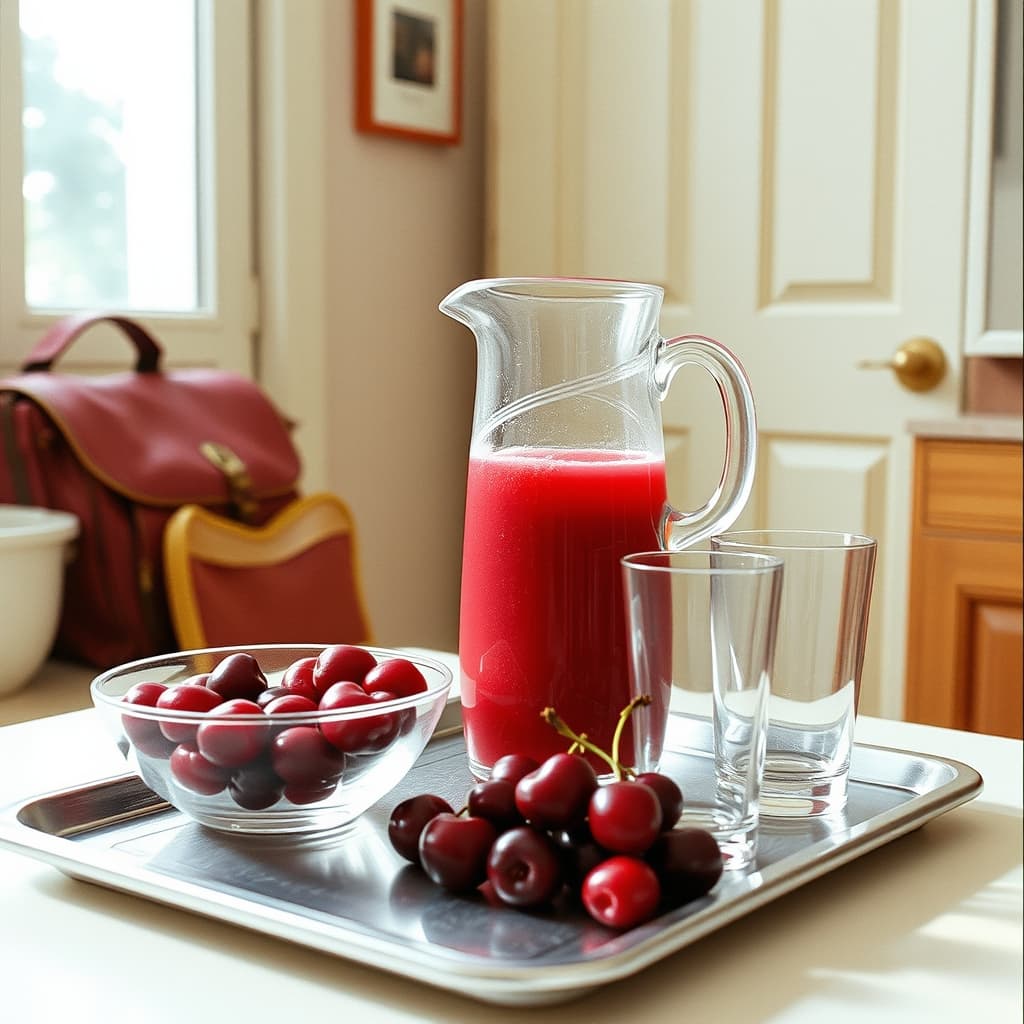
Homemade vişne sherbet began with a fruit that resisted simple sweetness. Sour cherries brought acidity, deep colour, perfume, and a slight dryness that made the drink refreshing rather than merely sugary. When a glass appeared after the walk home from school, it carried more than cold liquid. It represented earlier work: selecting fruit, removing leaves and damaged pieces, washing carefully, deciding how much sugar to use, and preserving flavour long enough for another day.
The English word cherry covers fruits with very different characters. Vişne refers to sour cherry, valued in Turkish kitchens for drinks, preserves, desserts, and sauces. Its sharpness allows sugar to be adjusted without completely flattening the fruit. Family methods differ widely. Some households simmered fruit gently with water and sugar; others prepared a concentrated syrup; some strained the result until clear, while others welcomed a little pulp. These variations should be recorded rather than reduced to one supposedly authentic recipe.
From Summer Fruit to a Managed Concentrate
Seasonal abundance creates a problem as well as an opportunity. Ripe sour cherries bruise quickly and must be sorted. Stems, leaves, mouldy fruit, and foreign material need to be removed. Clean utensils and containers matter because a beautiful colour does not guarantee safe storage. The fruit may be pitted or cooked whole according to method, but cracked stones and uncertain processing should be treated cautiously rather than romanticised.
Concentration made the harvest easier to store and serve. A smaller volume of strong syrup could later be diluted with cool water according to taste. This was practical when refrigerator space was limited or when a household wanted to offer several glasses from one bottle. Yet sugar is not a universal safety guarantee. Storage time, heat processing, container cleanliness, acidity, sealing, and refrigeration all matter. Anyone preparing vişne sherbet today should follow a tested recipe and current food-safety guidance rather than relying only on memory.
The Skill of Dilution and Serving
Dilution was a form of household judgement. Too little water produced a heavy drink; too much erased the fruit. The person serving often knew the concentrate by sight and adjusted each jug after tasting. Ice might be used where available, but a bottle cooled in a refrigerator, cellar, or water bath could create its own sense of occasion. The goal was not simply maximum coldness. It was balance: enough chill to relieve the afternoon, enough aroma to remain recognisably vişne.
The serving vessel also changed the experience. Clear glasses showed the ruby colour and made dilution visible. A jug allowed the drink to be mixed consistently before it reached the table. Spoons, if used, indicated that sugar or fruit sediment might still need stirring. A tray carried several glasses together and turned individual thirst into shared hospitality.
Why the First Glass After School Endured
After school, appetite and temperature sharpened attention. The child heard the spoon against the glass, saw condensation gather, and took a first sip before the day's stories had been fully told. The drink became attached to a threshold: leaving the public world of classrooms and streets, then re-entering the rhythms of home. Its memory was strengthened by repetition across a short season. Vişne was not available in the same form all year, so each batch marked summer's limited time.
It is easy to remember such a drink only as the work of a loving mother or grandmother. That image may be true for many families, but a responsible archive leaves room for different hands. Fathers, older children, neighbours, professional cooks, and relatives could all pick, wash, stir, bottle, or serve. Documenting who actually performed each task gives domestic food history greater honesty and depth.
Vişne sherbet remains valuable because it joins sensory memory with practical knowledge. Colour came from fruit, refreshment from acidity and dilution, availability from preservation, and hospitality from serving. Recreating it today can be meaningful when safety and regional variation are respected. Even without reproducing a family recipe, we can preserve the intelligence behind it: use the season well, waste as little as possible, taste before serving, and understand that a simple glass on the table may contain an entire chain of decisions.