 Eski Pano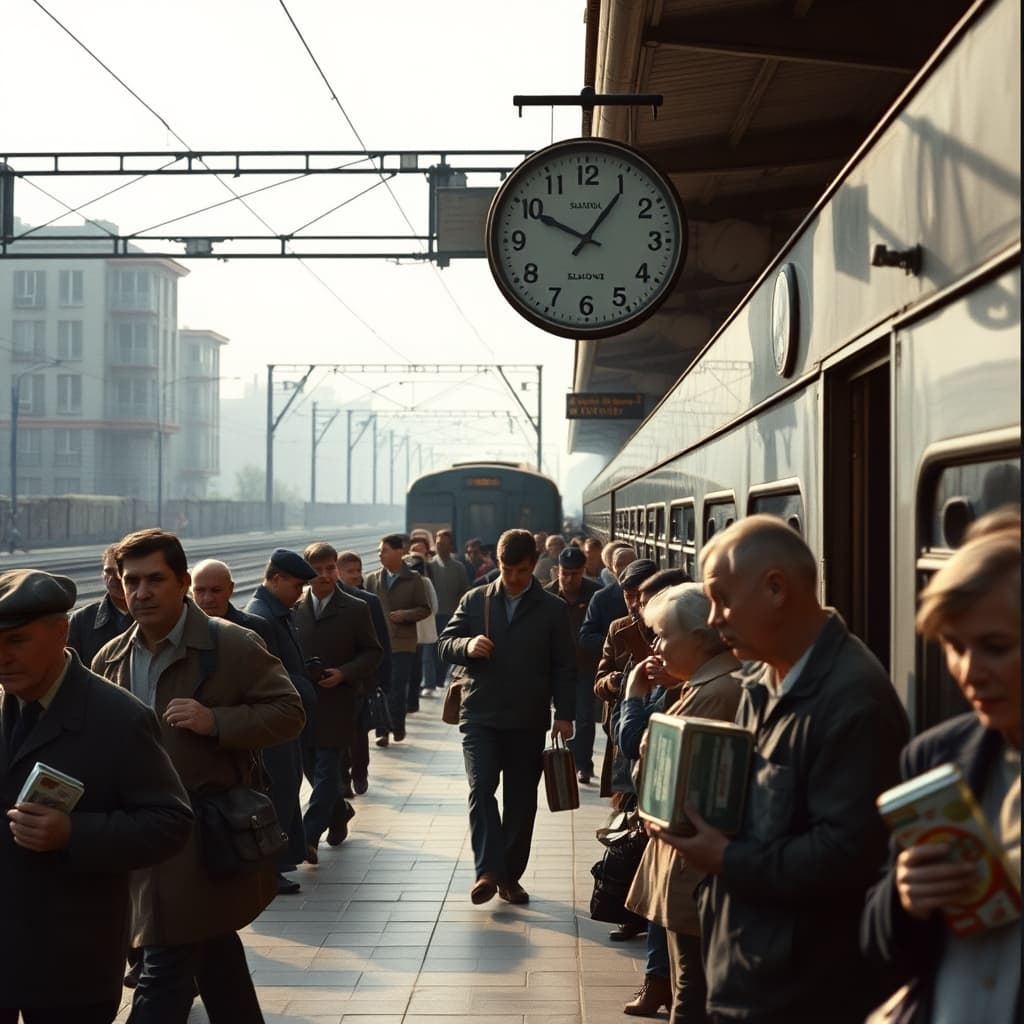
The suburban train did more than carry workers toward the centre. It coordinated thousands of separate mornings through a shared timetable. Curtains faded by the sun in homes beside the line; kettles boiled at different addresses; shoes met pavements at slightly different moments. Yet all these private routines converged at station gates, ticket windows, and platform clocks. Missing one departure could alter a shift, a school arrival, or a connection farther along the route.
Unlike an occasional long-distance journey, commuting depended on repetition. Passengers learned where a carriage door was likely to stop, which end of the platform shortened the walk after arrival, and how much delay a transfer could absorb. They recognised the sound of a particular train before it entered view. This knowledge was rarely written down, but it made the railway usable as an everyday system.
The Ticket as a Working Document
Single tickets recorded one journey, while season tickets and passes represented a continuing relationship between passenger and route. Their punched dates, clipped corners, photographs, stamps, or handwritten details varied by operator and period. Kept in a wallet or protective cover, a pass could become one of the most handled documents a worker owned. Wear along its edges showed daily use more reliably than a staged souvenir.
Ticket offices also shaped the morning. Queues lengthened near paydays or renewal dates, and an experienced clerk could answer questions about fares and connections while keeping the line moving. Where machines later replaced parts of this exchange, speed increased but a familiar source of local guidance could disappear. Neither arrangement was perfect; each reveals how transport technology redistributed knowledge between staff, signs, and passengers.
Familiar Strangers in the Same Carriage
Regular commuters often knew one another without exchanging names. A coat, newspaper, lunch tin, or habitual seat was enough for recognition. Their presence confirmed that the morning was proceeding normally. When someone did not appear, the absence might be noticed even if no one asked about it. This was a restrained form of community, built through proximity rather than intimacy.
The carriage required negotiation. Bags moved from seats when crowds arrived. Windows were opened or closed amid competing preferences. Older passengers, pregnant travellers, and people carrying loads depended on both formal priority and everyday courtesy. Friction was real, especially in heat, rain, or delay. Nostalgia should not erase overcrowding, unreliable service, or the unequal burden placed on those living far from work.
Why the Platform Clock Stayed in Memory
The station clock made public time visible. At home, a few minutes could feel flexible; on the platform they had a clear consequence. People compared wristwatches with the large dial, watched the minute hand, and judged whether a running figure would reach the train. The clock was not merely decorative architecture. It helped synchronise factories, offices, schools, ferries, buses, and family expectations.
Railway workers sustained this coordination through tasks passengers did not always see: signalling, track inspection, cleaning, ticketing, driving, guarding, maintenance, and platform control. A reliable morning depended on their combined labour. Preserving commuter memory should therefore include uniforms, tools, rosters, announcements, and working conditions, not only picturesque locomotives.
Suburban lines still connect cities, although rolling stock, ticketing, and information systems have changed. What endures is the need to align private life with public infrastructure. The old morning train remains vivid because it gave that alignment a sound, a place, and a set of faces. A platform clock, a worn pass, and the repeated choice of carriage can reveal how a city learned to arrive at work together while each passenger carried a different day ahead.