 Eski Pano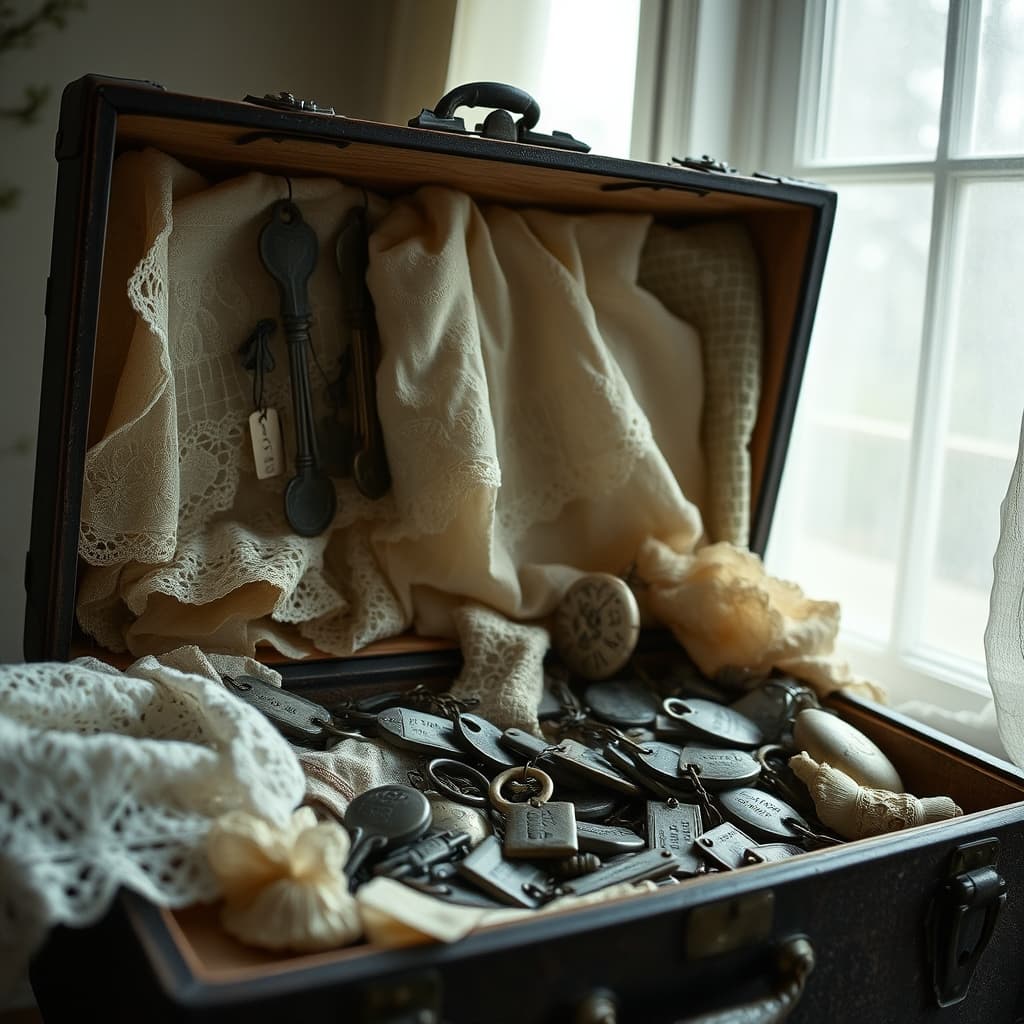
A keychain recovered from the bottom of a trunk rarely arrives alone. It may be tangled with an obsolete key, a luggage label, a faded ribbon, or another ring whose purpose nobody remembers. Its modest size makes it easy to dismiss, yet it once travelled daily in a pocket or handbag. Scratches, softened corners, and a stretched metal ring record repeated touch more directly than an ornament protected behind glass.
Keychains entered homes through many routes. They were bought as holiday souvenirs, distributed by banks and petrol stations, given by tradespeople, attached to a first car key, or chosen simply because a colour and shape appealed. Materials ranged from leather, wood, and enamelled metal to early plastics and clear acrylic. These differences reflect price, manufacturing technology, advertising, and popular ideas about what looked modern.
A Small Object Carried a Public Image
A miniature landmark could condense a journey into one recognisable silhouette. A company emblem placed a commercial identity inside domestic routine. Horoscope signs, lucky symbols, football colours, animals, and decorative motifs let owners signal humour or belonging without purchasing an expensive object. The design language was often bold because it had to be understood at pocket scale.
Not every keychain was selected by its final owner. Promotional pieces entered circulation as gifts and continued in use because they were available. A fashionable souvenir might later hold a cellar key, while an elegant leather tab could be reassigned to a cupboard. Use altered meaning. An archive should distinguish original branding from the household task that eventually gave the object importance.
The Attached Key Is Evidence
Keys can suggest changing security and domestic space. A large warded key, a small cabinet key, a vehicle key, or a later flat key belongs to a different mechanism and routine. Identification should remain cautious: shape alone does not prove which door it opened. Family testimony, labels, photographs, locksmith records, and comparison with a surviving lock provide firmer support.
Cleaning requires restraint. Abrasive polish can remove plating, paint, printed detail, and signs of age. Old plastic may be brittle or chemically unstable; leather can dry and crack. Separate materials should not be soaked together. Loose pieces can be stored in an acid-free enclosure with the key secured so that its weight does not strain the decorative part.
Provenance Gives the Trunk Find Its Story
Before separating a group, photograph how it was found. Record the trunk, compartment, neighbouring objects, and the person who opened it. Ask who travelled, owned a car, worked for the advertised company, or used the relevant cupboard. A confident answer may not emerge, and uncertainty is preferable to an attractive invented story.
The old keychain reflects a period’s taste precisely because it was inexpensive, portable, and exposed to use. It connects graphic design, tourism, commerce, security, and personal habit in a few centimetres. Preserving the wear, attachments, and discovery context allows this small object to speak in its own scale. The story is not hidden because the keychain is trivial; it is hidden because everyday objects are rarely documented while they are still doing their work.