
🇹🇷 Türkçe | Okul Dönüşü Mahalle Rotası: Kahveden Esnafa Taşan Haber Ağı
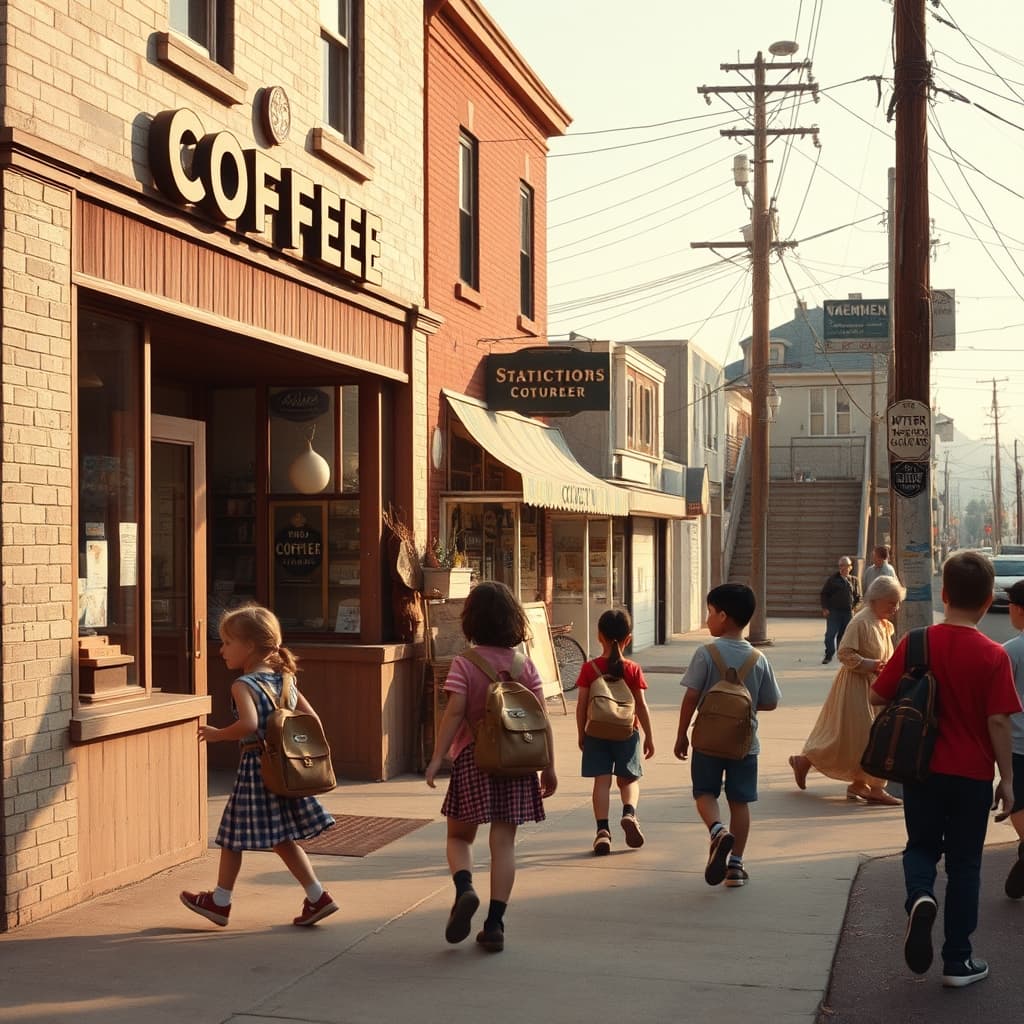
Eylül rüzgârı serinlemeye başladığında mahallede okul sesi geri dönerdi. Öğleden sonra zil çalınca çocuklar çantalarını bir omuzdan ötekine atarak sokağa dökülür, anneler pencereden “doğru gel” diye seslenirdi. Tam o saatlerde mahalle kahvesinin kapısı yarı açık olur, içeriden çay kaşığı şıngırtısı ve alçak sesli sohbet dışarı taşardı. O sohbetler çoğu zaman kahve duvarlarında kalmaz, bakkala, kırtasiyeye, manava ve fırına kadar yayılan bir haber hattına dönüşürdü.
Mahalle kahvesi, resmi bir kurum olmadan da mahallenin bilgi merkezi gibi çalışırdı. Kim hangi sınıfa başladı, yeni öğretmen nasıl biri, servis saatleri değişti mi, kitap listesinde hangi defter aranıyor… Bu tür pratik bilgiler önce kahvede duyulur, kısa süre sonra esnafın diline yerleşirdi. Kırtasiyeci ertesi sabah çok satılacak kalemi öne koyar, bakkal çocukların sevdiği ara öğünleri tazeler, fırıncı okul çıkışına simidi biraz fazla hazırlar, manav aile bütçesine uygun meyveyi kasanın önüne taşırdı.
Bu döngü yalnız ticari refleks değildi; karşılıklı güvene dayalı bir mahalle ekonomisiydi. Kahveden çıkan haber, esnaf için talep sinyali; aile için kolaylaştırıcı bir destek olurdu. “Defter geldi mi?” sorusuna “sizin çocuk için ayırdım” cevabı, müşteri sadakatinden daha derin bir ilişki kurardı. Esnaf müşteriyi isimle çağırır, çocuğun sınıfını bilir, sınav haftasında sessizce moral cümlesi kurardı. Böylece alışveriş, aynı zamanda sosyal tanıma pratiğine dönüşürdü.
Tarihsel bağlamda bakıldığında, bu bağın güçlendiği dönemler mahallenin günlük akışının hâlâ yaya mesafesinde örgütlendiği yıllardı. Büyük market zincirleri yaygınlaşmadan önce çocukların okul dönüşü rotası doğrudan yerel esnafla temas içerirdi. Gazete bayisi ders kitaplarının eklerini takip eder, kırtasiye öğretmen önerilerini önceden öğrenmeye çalışır, terzi okul önlüğünün söküğünü “akşama yetişir” diyerek hızla hallederdi. Kahve sohbetinde dolaşan haber, mahalleyi işleyen görünmez bir koordinasyon sistemi kurardı.
Bu sistemin kültürel etkisi kuşaklar üzerinde belirgindi. Çocuklar ihtiyaçlarının nereden ve kimden karşılandığını öğrenirken aynı zamanda güven, selamlaşma ve teşekkür dilini de öğrenirdi. Mahalle kahvesinde babalar güncel meseleleri konuşur, akşam evde anneler esnafın verdiği bilgiyi tamamlar, ertesi gün çocuklar bu akışın doğal taşıyıcısı olurdu. Haber yalnız içerik değil, ilişki biçimi olarak dolaşırdı.
Bugün dijital mesaj grupları ve çevrimiçi siparişler aynı işlevin bir kısmını hızlandırsa da o dönemin yavaş ama yoğun iletişimi farklı bir yakınlık üretirdi. Kahveden taşan bilgi, algoritmanın değil yüz yüze temasın ürünüydü. Esnafın önerisi ekran bildirimi gibi geçici değil, hafızada kalan bir ses tonuna sahipti. Bu yüzden okul dönemi dönüşlerinde kurulan o ağ, yalnız pratik değil duygusal bir altyapı da bıraktı.
Mahalle kahvesinden taşan haberlerin esnafla bağı güçlendirmesi, aslında bir topluluğun kendini birlikte ayakta tutma biçimiydi. Çocukların okul telaşı, yetişkinlerin gündelik hesapları ve esnafın sezgisi aynı sokakta birbirini tamamlıyordu. Bugün o günleri anarken özlenen şey sadece eski dükkân tabelaları değil; haberin güvenle dolaştığı, alışverişin ilişkiye dönüştüğü o mahalle ritmi.
🇬🇧 English | After-School Neighborhood Route: News Flow from the Coffeehouse to Local Shops
When September winds turned cooler, the sound of school returned to the neighborhood. After afternoon bells, children spilled into streets with bags shifting from one shoulder to the other, while mothers called from windows, “Come straight home.” At those same hours, the coffeehouse door stood half open, carrying teaspoons, low voices, and familiar debate into the street. Those conversations rarely stayed inside; they spread to the grocer, stationer, greengrocer, and bakery as a local news network.
Without formal authority, the neighborhood coffeehouse worked as an information hub. Which children entered which grade, what the new teacher was like, whether shuttle times changed, which notebooks were required: practical details surfaced there first, then quickly reached shop counters. The stationer displayed likely supplies, the grocer refreshed after-school snacks, the baker prepared extra simit for dismissal time, and the greengrocer moved budget-friendly fruit near the front.
This cycle was not merely commercial reflex; it was a trust-based neighborhood economy. News leaving the coffeehouse became demand signals for shopkeepers and practical support for families. To the question “Did the notebooks arrive?” the answer “I set some aside for your child” created ties deeper than customer loyalty. Shopkeepers called people by name, knew children’s classes, and offered quiet encouragement during exam weeks. Shopping became social recognition in daily form.
Historically, these ties grew strongest when neighborhood life was still organized within walking distance. Before large chain markets spread widely, children’s route home from school included direct contact with local tradespeople. The newspaper kiosk tracked textbook supplements, the stationer learned teacher preferences early, and the tailor repaired school uniforms by evening. Information circulating in coffeehouse talk formed an invisible coordination system that kept the neighborhood functioning.
Its cultural effect across generations was clear. Children learned where needs were met and also learned greeting, trust, and gratitude language. Fathers discussed local matters in the coffeehouse, mothers completed those updates at home in the evening, and children carried the flow back the next day. News moved not only as content but as relationship practice.
Today, messaging groups and online ordering accelerate parts of that function, but the slower communication of that era created a different closeness. Information from the coffeehouse came from face-to-face contact, not algorithmic sorting. A shopkeeper’s suggestion was not a fleeting notification; it came with a remembered voice and expression. That is why the network built around school-term returns left an emotional infrastructure, not only practical convenience.
The way coffeehouse news strengthened ties with local tradespeople shows how a community sustained itself together. Children’s school urgency, adults’ daily calculations, and shopkeepers’ intuition complemented one another on the same street. What is missed today is not just old signs above small shops, but that neighborhood rhythm where information traveled with trust and commerce became relationship.
🇧🇷 Português (Brasil) | Rota da Volta da Escola: Como as Notícias do Café Fortaleciam o Comércio de Bairro
Quando o vento de setembro ficava mais fresco, o som da escola voltava ao bairro. No fim da tarde, após o sinal, crianças saíam com a mochila trocando de ombro, enquanto mães chamavam da janela: “vem direto para casa”. No mesmo horário, a porta do café de bairro ficava entreaberta, e o tilintar das colheres no chá, junto de conversas baixas, escorria para a calçada. Essas conversas raramente ficavam ali: alcançavam mercearia, papelaria, quitanda e padaria como uma rede local de notícias.
Sem ser instituição formal, o café funcionava como central de informação cotidiana. Quem entrou em qual série, como era o novo professor, se o horário do transporte mudou, quais cadernos a lista pedia. Esses dados apareciam primeiro nas mesas do café e, em seguida, chegavam ao balcão do comércio. A papelaria destacava o material mais procurado, a mercearia reforçava o lanche da saída, a padaria assava mais simit para o fim do turno, e a quitanda aproximava as frutas de preço acessível.
Esse circuito não era só reação comercial; era economia de bairro baseada em confiança. A notícia que saía do café virava sinal de demanda para o comerciante e apoio prático para a família. Ao ouvir “chegou o caderno?”, responder “separei para o seu filho” criava vínculo mais profundo que fidelização. O comerciante chamava pelo nome, sabia a turma da criança e oferecia palavra de incentivo em semana de prova. Comprar virava também forma de reconhecimento social.
No plano histórico, esse vínculo se fortaleceu quando a vida diária ainda era organizada a pé. Antes da expansão ampla das grandes redes, a volta da escola passava naturalmente pelo comércio local. A banca acompanhava encartes didáticos, a papelaria buscava antecipar pedidos de professores, e a costureira ajustava o uniforme para o dia seguinte. A notícia do café operava como sistema invisível de coordenação do bairro.
O impacto cultural disso entre gerações foi marcante. Crianças aprendiam onde resolver necessidades e, ao mesmo tempo, aprendiam linguagem de cumprimento, confiança e agradecimento. Pais discutiam assuntos no café, mães completavam as informações em casa à noite, e os filhos levavam esse fluxo para a rua no dia seguinte. A notícia circulava como conteúdo e como forma de relação.
Hoje, grupos de mensagem e pedidos online aceleram parte desse processo, mas a comunicação mais lenta daquele período gerava outra proximidade. O que vinha do café era fruto de contato presencial, não de algoritmo. A sugestão do comerciante não era alerta efêmero de tela; tinha timbre, rosto e memória. Por isso, a rede criada na volta às aulas deixou não só praticidade, mas também infraestrutura afetiva.
Quando as notícias do café fortaleciam os laços com o comércio local, o bairro mostrava sua capacidade de se sustentar em conjunto. A urgência escolar das crianças, os cálculos diários dos adultos e a intuição dos comerciantes se completavam na mesma rua. O que faz falta hoje não é apenas a fachada antiga das lojas, mas o ritmo de confiança em que informação circulava e compra virava convivência.
