 Eski Pano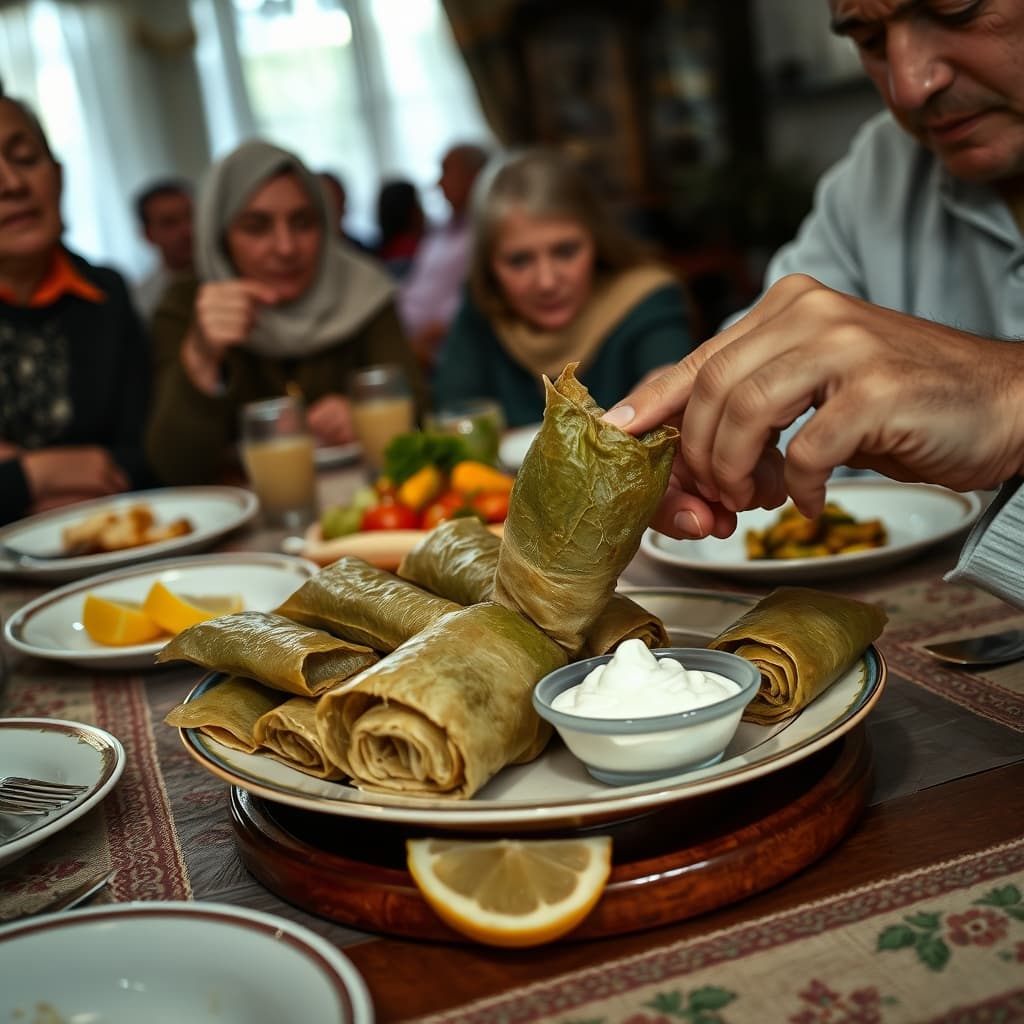
The first bite of festive vine-leaf sarma is remembered before it is analysed. The leaf offers slight resistance, the filling yields, and acidity, oil, herbs, rice or other ingredients arrive in a sequence shaped by the household version. At a crowded table, that small sensory event can identify a familiar preparation more quickly than a written recipe.
There is no single standard against which every sarma should be judged. Vine leaves, fillings, cooking liquids, sizes and serving temperatures vary by region, family, season and occasion. Meatless and meat-filled versions may follow different methods and be served differently. A cultural archive should record the version present rather than declare one texture or flavour universally authentic.
The Leaf Sets the Pace of the Bite
A tender leaf can separate cleanly; a thicker vein or tightly folded edge changes the effort required. Freshness, preservation, blanching, rinsing and cooking all influence texture, but the finished bite alone cannot reveal every earlier step. The leaf’s source and handling should be documented from the cook’s account instead of guessed from appearance.
Size changes the ratio between wrapper and filling. A slim roll may feel leaf-forward, while a larger one presents more filling at once. Neither form automatically indicates greater skill. Household preference and the nature of the leaf matter more than a decorative demand that every piece look identical.
One Pot Can Contain Several Textures
The bottom, centre and top of a packed pot do not necessarily experience liquid and heat in exactly the same way. Rolls may also differ because leaves vary in thickness and hands portion filling differently. Family members can recognise these small variations and even prefer a particular part of the pot.
This unevenness should not be romanticised when it signals undercooking, spoilage or unsafe handling. Rice and meat, when used, require appropriate cooking, cooling and storage. The memory of a holiday dish is not a reason to taste an old preserved batch or leave cooked food for long periods at unsafe temperatures.
Temperature Reorders Aroma and Texture
A warm serving can emphasise softness and rising aroma; a cooled olive-oil version may feel firmer and reveal other flavours. Accompaniments such as lemon or yogurt alter the first impression, but they are not universal. The archive should note what was served, at what approximate temperature and whether condiments were added before or after the first bite.
The waiting time around a holiday table matters too. A platter may arrive after travel, greetings and several other dishes. Hunger, conversation and anticipation affect perception. These conditions do not make the memory less valid; they explain why laboratory-style description alone cannot capture the taste recalled by a family.
The First Piece Often Carries a Comparison
A diner may silently compare the first roll with one made by a parent, grandparent, neighbour or by the same cook in an earlier year. That comparison can be affectionate, demanding or unfair. It shows how food memory works through repeated reference points, not through a frozen original that every generation must copy.
Cooks also adjust. A batch of leaves may be saltier, rice may absorb differently, or guests may prefer a lighter seasoning. Recording change alongside continuity respects skill better than pretending the dish never varied. Ask what the cook was trying to achieve and which signs they used, without turning household knowledge into a universal rule.
Preserve the Sensory Vocabulary
Recipe notes often list ingredients but omit words used at the table: too tight, silky, firm, bright, oily, dry, balanced or heavy. These terms deserve collection with the speaker’s name and context. They reveal what that family valued, although translations may need explanation and should not flatten different expressions into one scale.
The first bite recalls childhood because it is a compact meeting of texture, aroma, expectation and company. Its power does not come from every holiday table being the same. It comes from a particular family learning how to recognise its own balance—and from later diners discovering, in one leaf-wrapped mouthful, which details stayed constant and which quietly changed.