Eski Pano
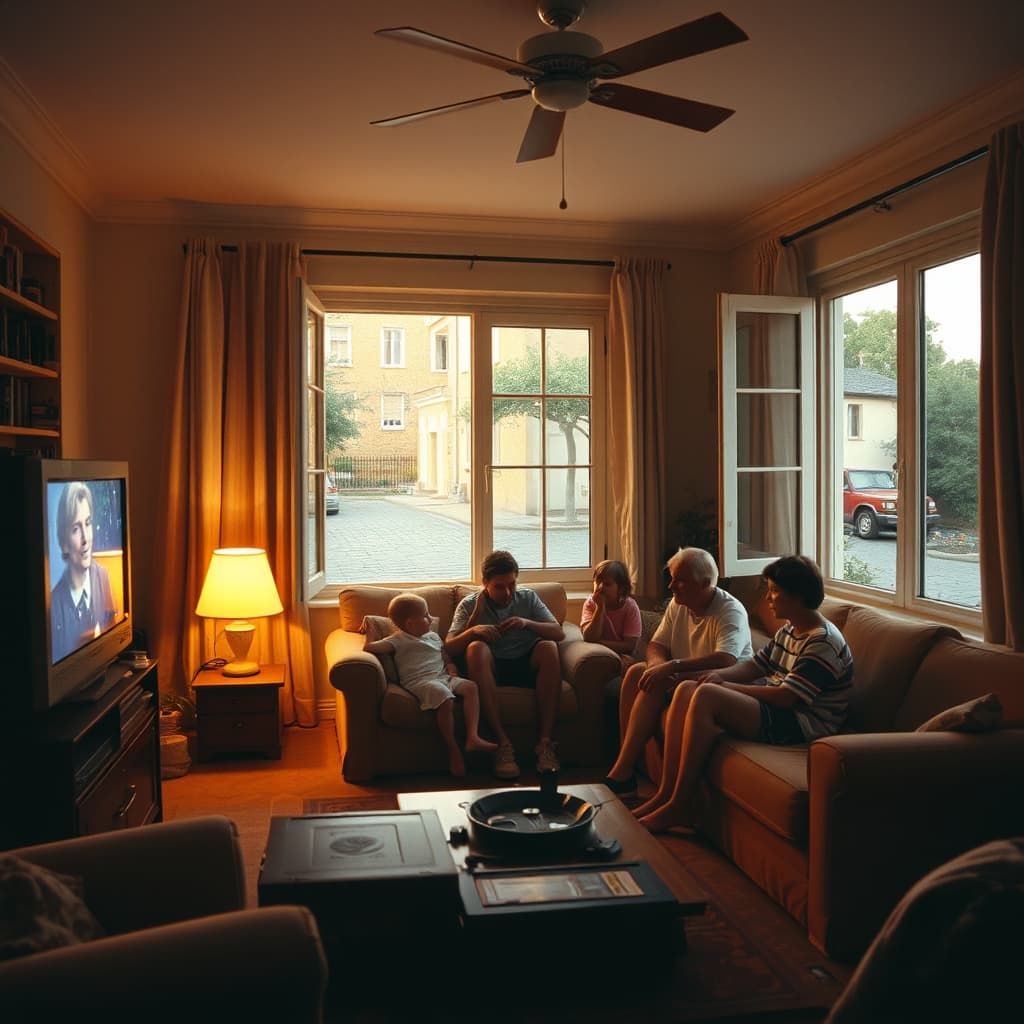
There was a time when watching a film was not an ordinary act that began the moment a button was pressed. Especially on summer evenings, when stone pavements slowly released the heat they had gathered throughout the day, the glow of television light and the murmur of voices drifted from apartment windows into the street. Gathering in the living room, straightening the cushions, preparing the coffee table with glasses of soda and plates of sunflower seeds, and opening the plastic case of a videotape with care all belonged to a ritual of preparation. The quiet excitement settled inside the house even before the film began. Sliding the cassette into the video player, hearing the firm sound of the lid closing, and waiting together through the few seconds before the image appeared showed how technology once gave daily life a ceremonial meaning.
From the perspective of technological heritage, the video player was not merely a device that transmitted images, but a tool for sharing time as a family. The television was already in the house; what the video player brought was a chosen evening, an anticipated story, and an intentional togetherness. People discussed which tape to watch, studied the pictures on the cover, sometimes read the handwritten label of a cassette borrowed from a neighbor, and sometimes checked whether it had been rewound. Pressing a button was not as invisible a gesture as it is today, because the machine answered physically. The tape being pulled inward, the brief mechanical hum, the blue emptiness on the screen, and then the image slowly forming were all ways technology announced its presence in the home. Children watched the moment with fascination, while adults took their places with the seriousness that such a small preparation seemed to deserve.
This little ceremony also belonged to the neighborhood and to the season. Because the windows stayed open on summer evenings, what was watched indoors never fully detached from life outside. The final shouts of children playing ball on the stone streets, the sound of seed shells falling into a bowl, the bell of an ice-cream seller in the distance, or a quick greeting from a nearby balcony all entered the film night in the living room. In that way, using a video player became a ritual connected not only to the family, but to the street itself. Technology here was not an isolating object; it was something that gathered people into one room. Who would hold the remote, where the film would be paused, and how luxurious it felt to watch without commercial interruption all became fine details in domestic memory.
Looking back now, the ceremonial value attached to the video player came partly from scarcity. When not everything was available at every moment, watching demanded more preparation, more attention, and a stronger sense of sharing. Rewinding the tape, hearing the image crackle, or noticing the band distort slightly did not ruin the evening; those flaws were part of it. No one expected perfection. On the contrary, those small imperfections showed the domesticated face of technology. That is why the quiet excitement of families gathered in the living room remains unforgettable: people remember not only the film, but also the arrangement built before it began. Blending into a silent summer evening along the stone pavements, that image explains why viewing in old urban life was not a solitary act, but a ceremony lived together.
Why Using a Video Player in the Quiet Excitement of Families Gathered in the Living Room Was a Ceremony in Itself, Blending into a Silent Summer Evening Along the Stone Pavements