 Eski Pano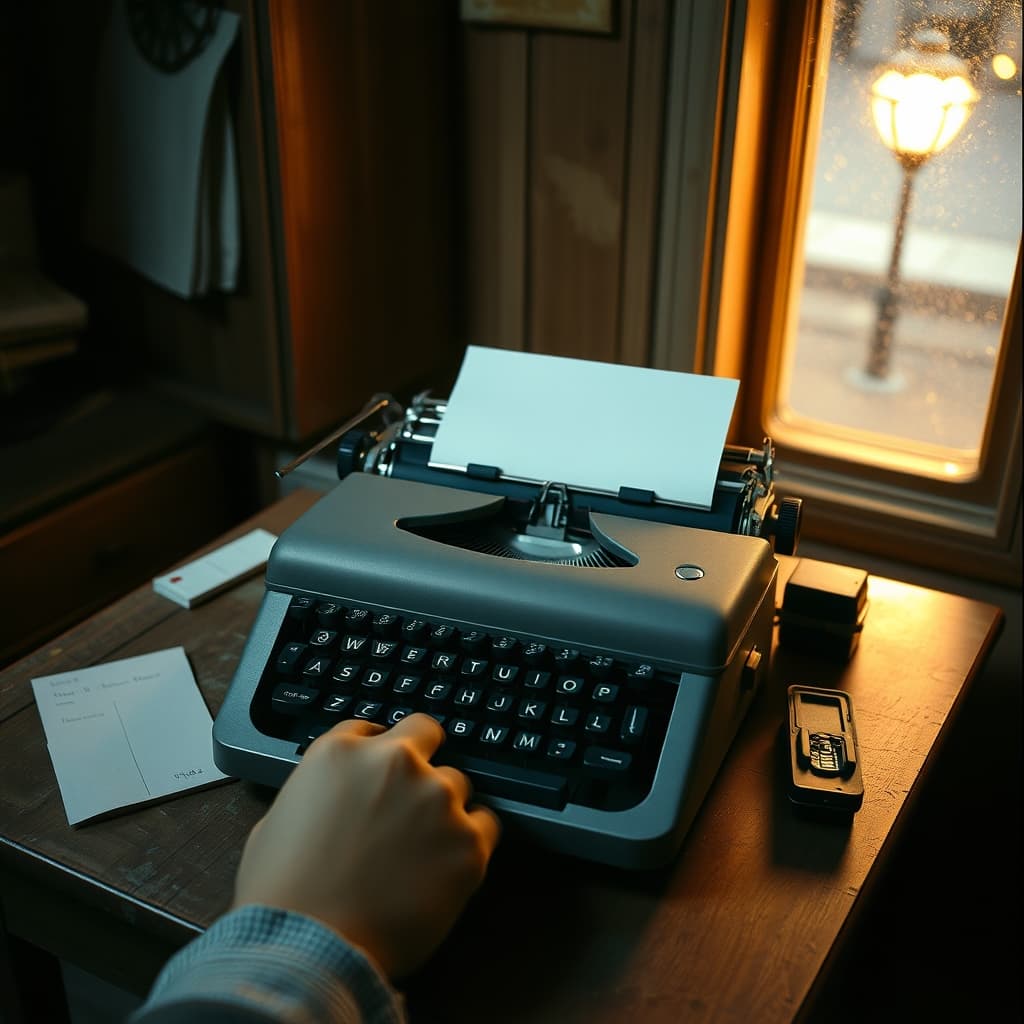
A typewriter did not allow a sentence to arrive without consequence. Each key moved a lever, each lever struck an inked ribbon, and each mark remained on paper unless the writer stopped to correct it. That physical sequence gave typing a reputation for decisiveness, but everyday work was less romantic and more skilled. Letters, petitions, school assignments, invoices, and applications depended on people who understood spacing, margins, ribbon condition, paper alignment, and the limits of correction.
The machine was often heard before its page was read. Keys produced an uneven percussion shaped by the typist's confidence; the carriage bell announced the approaching margin; the return lever opened a new line with a larger gesture. In a quiet room or a shop near the street, this sound could become a form of reassurance. Work was moving forward. Yet the rhythm came from attention rather than speed alone. A fast typist who failed to plan the page could waste paper, ribbon, time, and a clean copy.
Carbon Paper and the Value of a Second Copy
Carbon paper changed a single act of typing into a small reproduction system. Placed between sheets, its coated surface transferred the pressure of each letter to the page below. The typist had to align the stack carefully and strike with enough force to make every copy legible. Too many sheets weakened the final impression. A misplaced page meant that the error travelled through the whole set.
Copies served practical needs long before photocopiers became ordinary. A household could retain a record of a formal letter; a business could keep an invoice; an association could distribute notices produced in one sitting. Carbon paper stained fingers and could smudge a clean page, so it was stored, reused, and handled with care. Its thin, dark surface represented economy as much as technology: duplication without another round of typing.
Correction Was a Visible Skill
Mistakes were not impossible to repair, but correction demanded judgement. An eraser made for typewritten ink could abrade the paper. Correction fluid needed time to dry and left a brighter patch. Correction tabs covered a character through a second strike, provided the carriage returned to exactly the right position. On formal work, a typist might decide that starting again was safer than leaving a visible repair.
This changed the relationship between thought and sentence. Some writers drafted by hand before approaching the machine. Others paused with fingers above the keys, composing a phrase internally because revision was costly. Neither method made every page better, but both encouraged awareness of structure. The typewriter did not create careful thinking by itself; it made the material price of haste easier to see.
Ribbon Care and Mechanical Memory
The ribbon was the machine's quiet consumable. As ink faded, letters became pale or uneven. Reversing the ribbon direction could extend its life, while replacing it required threading fabric through guides without twisting it. Dust, eraser crumbs, and old oil gathered beneath the typebars. A soft brush and restrained maintenance helped, whereas excessive oil attracted more dirt. Specialist repairers handled alignment, hardened rollers, damaged springs, and keys that refused to return.
Today, a surviving typewriter should be approached as both a tool and a historical object. Its make, serial number, keyboard layout, case, repairs, and wear can reveal where and how it worked. Cleaning should begin with observation, photographs, and methods suitable for the materials. A glossy restoration that erases labels or replaces original parts without record may remove the evidence that gives the machine meaning.
The typewriter's lasting lesson is not that older writing was automatically more sincere. It is that writing once exposed its mechanics. The copy had weight, correction left a trace, and maintenance determined whether a voice could reach the page. Carbon paper, ribbon ink, and the carriage bell formed an everyday discipline shared by clerks, students, shopkeepers, journalists, and family correspondents. Remembering that discipline helps us see documents not only as words, but as objects produced through hands, pressure, patience, and care.