 Eski Pano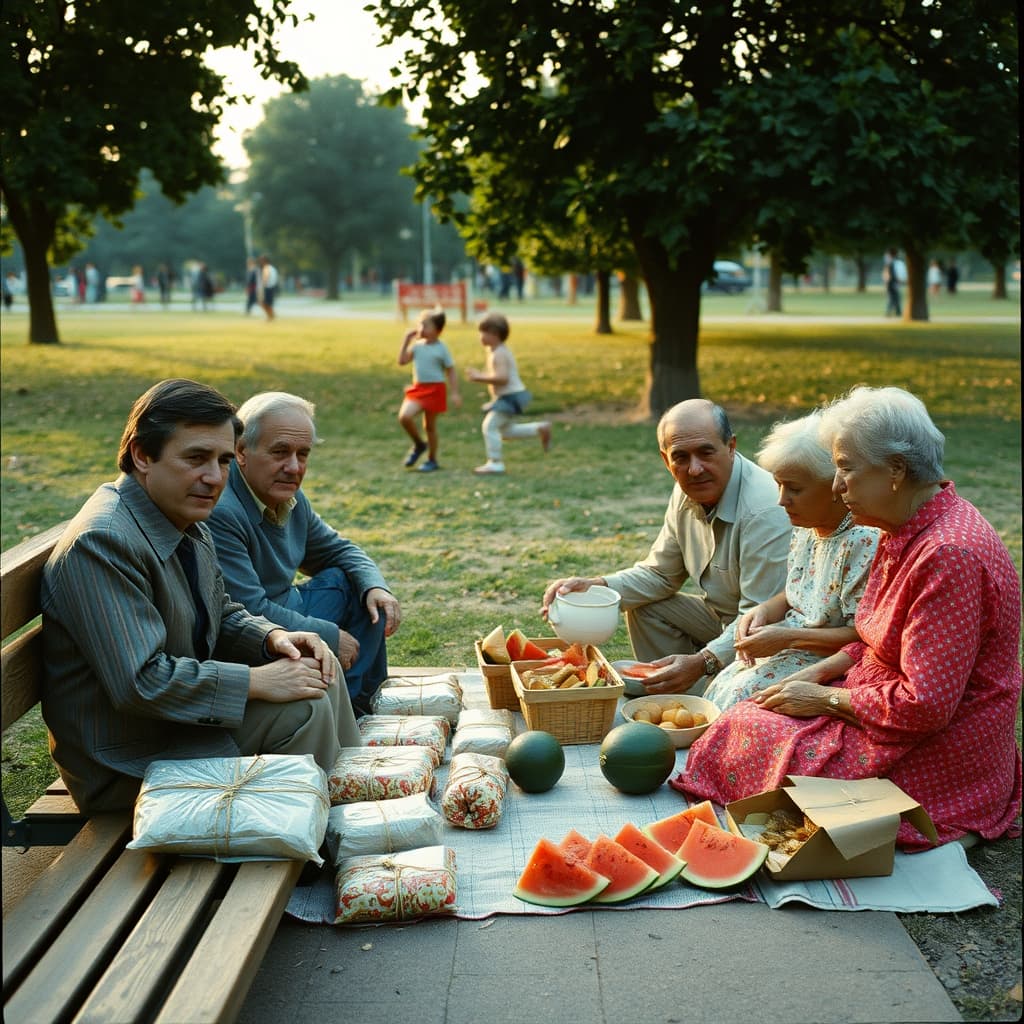
A Sunday trip to the city park began long before anyone reached the gate. At home, fruit was washed, bread was wrapped, a knife was tucked safely beside napkins, and water was poured into a bottle that would be passed from hand to hand. The preparation was rarely grand enough to be called a picnic plan. It was closer to a practiced household arrangement: take what could travel, leave before the heat became heavy, and find a bench or patch of shade before the busiest hour.
The park offered something that neither the street nor the sitting room could provide on its own. It was public, yet families could make a temporary corner within it. A cloth spread on the grass, a pram parked beside a tree, or two benches facing one another created a small room without walls. Children could move farther than they were allowed to at home, while adults remained connected to the wider city through passing vendors, distant music, bicycle bells, and the steady arrival of other families.
The Work Hidden Inside a Day of Rest
Calling these outings restful can hide the labour that made them possible. Someone remembered the cups, checked whether the watermelon would survive the journey, carried the heaviest bag, and kept an eye on coats once the afternoon cooled. Food had to suit travel and sharing. Tomatoes, cheese, boiled eggs, pastries, sunflower seeds, and seasonal fruit were practical because they could be divided without a formal table. Their value came as much from portability as flavour.
Watermelon gave late summer outings their own timetable. It was heavy to carry and awkward to cut, but once opened it offered both sweetness and relief. Families sometimes cooled it before leaving or placed it near a fountain where local custom and hygiene allowed. The first slice marked a pause in the afternoon. Juice ran onto plates or fingers, children compared the darkest pieces, and rinds accumulated in a bag that responsible visitors carried away. The memory of a cool watermelon evening belongs not only to taste, but to shade, warm pavement, and the change in air after sunset.
Learning to Share Public Space
Regular park visits taught a quiet form of civic behaviour. A family learned not to block a path, not to shake a cloth toward another group, and not to claim more shade than it needed. Children discovered that swings required turns and that a ball kicked carelessly could enter someone else's meal. Adults negotiated noise, distance, and help without written rules. A borrowed bottle opener or a warning about a wandering child could turn strangers into temporary neighbours.
These courtesies were not always perfectly observed, and nostalgia should not pretend that every outing was peaceful. Parks could be crowded, toilets inadequate, litter frustrating, and transport home tiring. Yet those difficulties reveal why the routine mattered. Families were practicing how to belong in a shared city. They carried private habits into public space and adjusted them in the presence of others.
What the Park Bench Remembered
The bench was central because it held more than tired bodies. It became a place to distribute food, watch children, greet acquaintances, and decide when to leave. Older relatives could participate without walking continuously. A bench near a familiar tree might become the family's usual address, known without being formally reserved. Returning to it week after week gave the park a domestic layer while leaving it open to everyone else.
Today, family leisure is often organised through bookings, screens, and individual preferences. The older Sunday park outing suggests a simpler but not effortless model: prepare together, travel with modest expectations, and let a shared place shape the day. Preserving this memory does not require recreating every detail. It asks us to notice the social knowledge inside the parcels, the patient search for shade, and the habit of leaving space for the next family. Those small practices explain how a city park became part of family history without ever belonging to one household alone.