 Eski Pano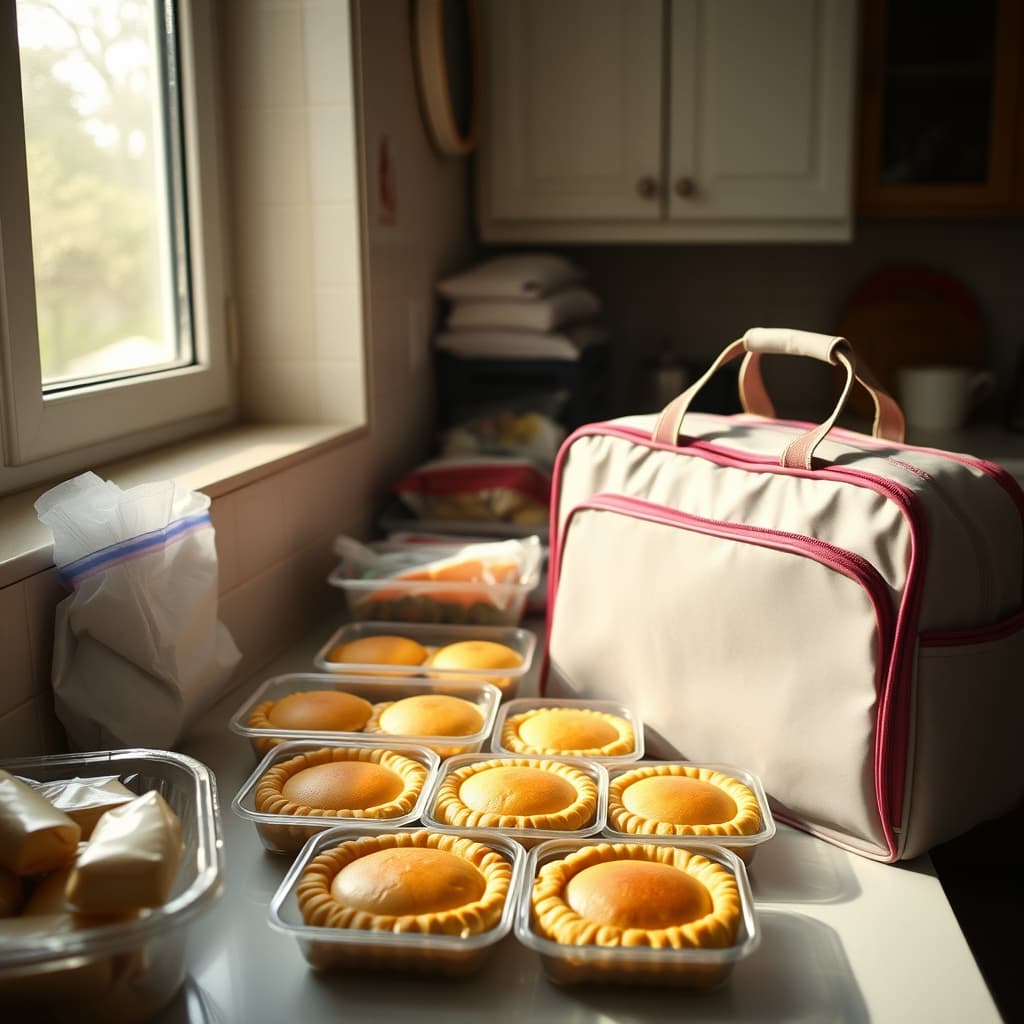
A tray of börek waiting after school can hold the warmth of an entire household. That memory becomes safer when the recipe travels with practical information: what filling was used, which allergens are present, when the tray left the oven, how it cooled, and whether it stayed cold during transport. Crisp pastry is visible; time and temperature are not.
Recipes differ widely. Cheese, milk, yoghurt, egg, butter, minced meat, spinach, herbs, nuts, sesame, and ready-made pastry introduce different allergens and storage needs. Check every packaged ingredient and avoid promising allergen-free food from a shared kitchen unless cross-contact is controlled. Keep raw meat and unwashed produce away from cooked pastry, clean hands and surfaces, and use separate utensils where needed.
Cook the Filling and Centre Thoroughly
Follow a tested recipe and appliance guidance rather than judging safety only by a browned top. Cook meat fillings fully, handle eggs and dairy carefully, and ensure the centre is properly heated. A suitable food thermometer gives better evidence than colour, though the safe target depends on ingredients and local official guidance. Do not half-cook a tray for completion hours later unless a validated method specifically allows it.
Serve with clean utensils and keep the tray protected from hands, bags, pets, dust, and outdoor heat. Note when it was put out. If many children are sharing, pre-cut manageable portions and provide separate tongs rather than allowing repeated touching. Ask an adult to supervise hot trays and sharp knives, and make allergen information clear before anyone takes the first piece.
A Large Tray Cools Slowly
Leaving a deep, warm tray on the counter for hours is not a cooling plan. Divide leftovers into shallow, food-safe containers as soon as practical, while following current official time and temperature advice. Leave enough space for heat to escape, then refrigerate promptly. Do not stack tightly packed hot containers in a way that warms the entire refrigerator, and do not rely on a cold room or balcony as controlled storage.
Label each container with the preparation date, filling, allergens, and the time refrigeration began. Keep raw foods below ready-to-eat portions and prevent dripping. A clean refrigerator should hold a safe, monitored temperature; a door shelf is often warmer and subject to change. When the history is unknown, the food smells unusual, mould appears, packaging swells, or refrigeration failed, discard it without tasting.
Transport Must Protect the Cold Chain
For school or a visit, chill the börek before departure and carry it in a clean insulated bag with sufficient cold packs, separated from books and personal belongings. Minimise travel time and move it into reliable refrigeration on arrival. A decorative cloth, car boot, windowsill, or shaded desk does not replace temperature control. If it is intentionally transported hot, use equipment and timing designed for safe hot holding.
Tell the receiving adult the filling, allergens, preparation time, storage history, and serving deadline. Never send a child with responsibility for deciding whether questionable food is safe. Schools and community groups should follow their own food policies, document who supplied shared dishes, protect pupils with allergies, and reject food when essential information or temperature control is missing.
Reheat only the portion needed, using a method that heats the centre evenly and following official guidance. Covering can reduce drying, while a final oven step may restore texture, but crispness must not be confused with safe internal heat. Avoid repeated cycles of warming, cooling, and reheating. Use a clean plate and utensil, and never return a partly eaten personal portion to the shared container.
Record a family börek with ingredient quantities, tray size, oven method, serving custom, regional vocabulary, maker, date, and the practical adaptations that kept it safe. Obtain consent before publishing a person's recipe or photograph. A Digital Nostalgia Archive protects both taste and knowledge: the first plate after school, the hands that rolled the pastry, the allergy note, the cooling label, and the care that allowed a generous dish to be shared without turning affection into avoidable risk.