 Eski Pano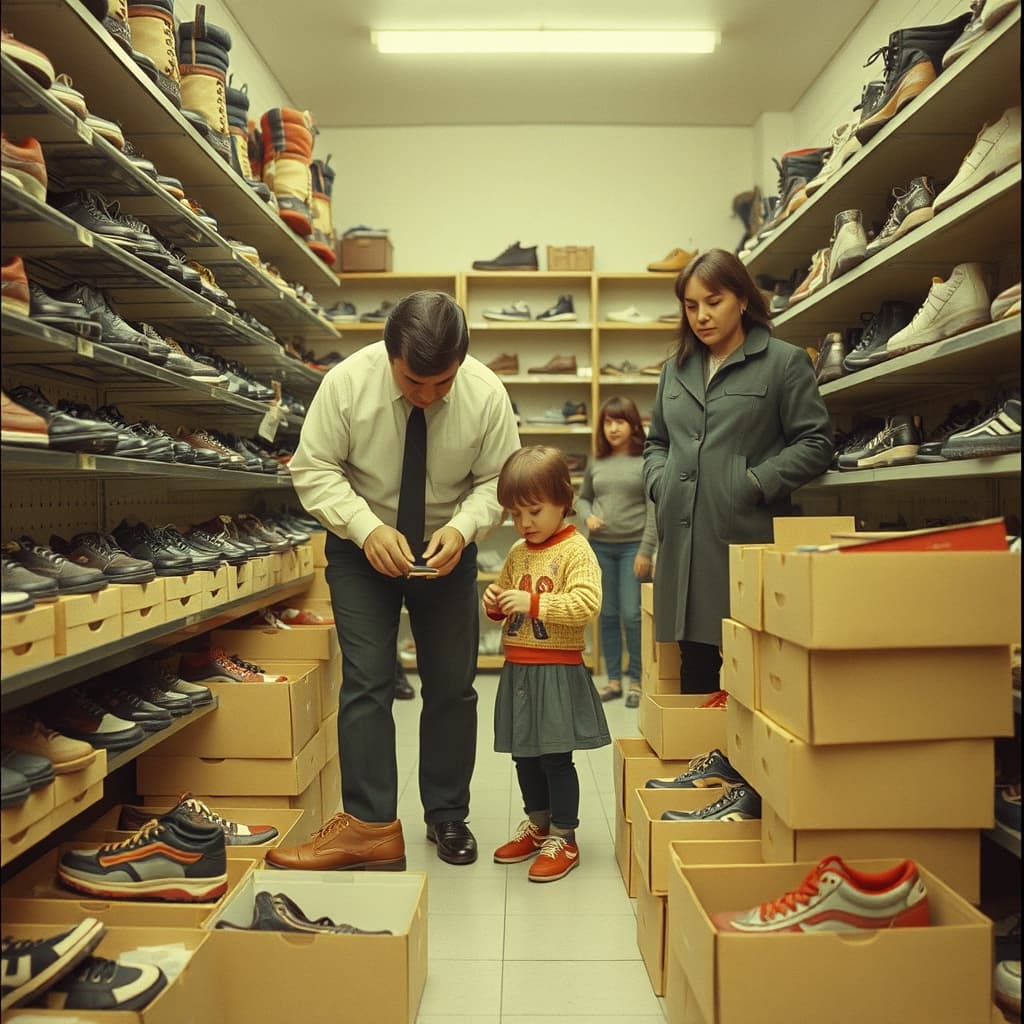
New shoes before a holiday could turn a neighbourhood shop into a small stage of anticipation. The shine mattered, but a child's comfort depended on quieter skills: measuring both feet, matching width and shape, testing with the intended socks, and explaining price and return terms without pressure. Nostalgia should preserve that practical care as clearly as the polished leather.
Feet can differ in length and width, and sizing varies between makers and styles. Measure while the child is standing, preferably later in the day when feet may be slightly larger. Fit the larger foot, check heel security and toe movement, and ask about pressure rather than relying on a number. A removable insole can help assessment, but it does not replace walking in the actual shoe.
Room to Grow Is Not Room to Trip
Buying several sizes too large may seem economical, yet sliding heels, bent toes, unstable steps, and gripping with the feet can cause discomfort or falls. Equally, a tight shoe does not reliably stretch into a safe fit. The child should walk, turn, climb a small safe step, and stand naturally. Watch for rubbing, gaping, stiffness, altered gait, and reluctance to move.
Use the socks or tights planned for the celebration, and test any orthotic or mobility aid at the same time. Fastenings should be reachable and secure without cutting into the foot. Children with sensory, skin, circulation, balance, or mobility needs may require extra time and professional advice. Style rules should never override an accommodation that enables safe participation.
Materials Leave Clues
Inspect seams, linings, edges, insoles, soles, decoration, buckles, adhesives, and strong odours. Rough joins and loose ornaments can irritate skin or become hazards. Ask what materials touch the foot, especially when allergies are known. Air the shoes if the manufacturer recommends it, but do not use heat, solvent, perfume, or unverified waterproofing products on footwear intended for a child.
Break shoes in gradually indoors on a clean surface so they remain returnable where shop rules allow. Check the skin after short periods and stop at redness, pain, numbness, swelling, or a blister. Do not puncture blisters or hide persistent pain with padding simply to complete the outfit. Seek appropriate health advice when symptoms are severe, infected, recurring, or linked to a medical condition.
A Fair Sale Includes an Exit
Before payment, the shop should state the full price, material description, guarantee, exchange conditions, return deadline, and whether indoor trial affects eligibility. Keep the receipt, box, labels, and payment record. Photograph a defect promptly and communicate in writing. Consumer rights differ by place and purchase method, so current local rules and official guidance should be checked rather than assumed from family custom.
A repairable shoe can be better value than a disposable one. Ask whether heels, soles, straps, stitching, or fasteners can be renewed and whether replacement parts exist. For second-hand shoes, examine structural wear, hygiene, sole pattern, collapsed support, and fit; a bargain that has moulded heavily to another foot may not be suitable. Clean only according to material-specific guidance.
Budgets deserve discretion. Shopkeepers can offer durable alternatives, staged payment where lawful, or a clearly managed second-hand option without shaming a family or addressing every decision to the adult while ignoring the child. Parents can set a price range before entering. A child should be heard about comfort but should not be made responsible for financial strain or sales negotiation.
Record the shop, maker, approximate date, price, material, repair history, wearer, occasion, and later fate of a remembered pair. Ask before publishing a child's photograph or a story about hardship. A Digital Nostalgia Archive can honour the warmth of neighbourhood commerce while recognising fitting knowledge, consumer protection, disability access, careful budgeting, and the child's own voice. The best holiday shoe was never merely the brightest pair; it was the one that let its wearer join the day safely and confidently.