 Eski Pano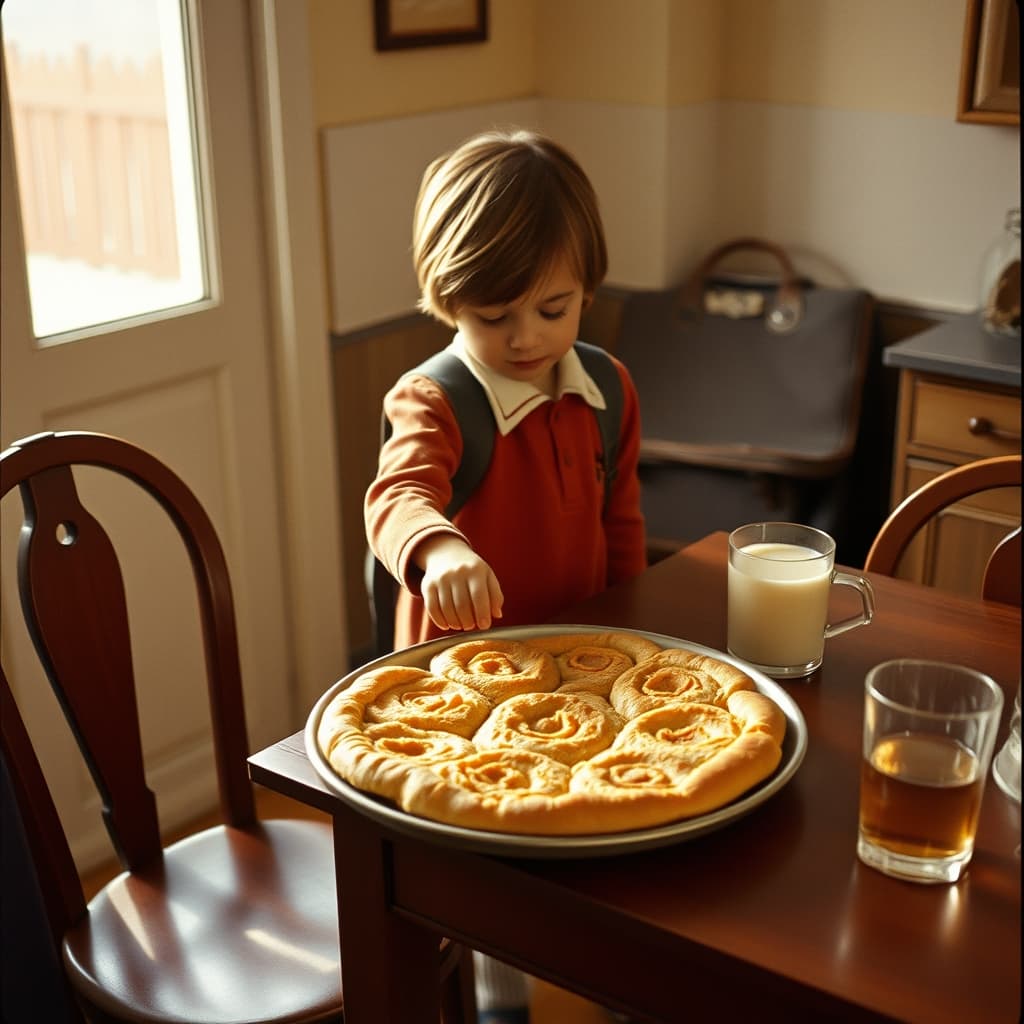
A tray of börek waiting after school solved several household problems at once. It could be prepared before the busiest hour, divided according to appetite and served warm or at room temperature. The crisp top announced itself when the knife entered, while the softer inner layers held cheese, greens, potato, minced meat or another filling shaped by season and budget.
The dish is familiar across Turkish kitchens, but “tray börek” does not describe one fixed recipe. Some cooks rolled dough by hand; others used yufka bought from a specialist or shop. Sauces varied through milk, yoghurt, egg, oil or melted butter. Family preference determined whether the result was crisp throughout, tender inside or almost custardy between layers.
Layering Managed Moisture
The tray was greased so the base released cleanly. Sheets were arranged flat, folded or torn, with sauce distributed enough to soften dry areas without flooding the pastry. A wet filling could make the centre heavy; a very dry filling produced dusty bites. Greens were washed and drained, potatoes cooled, and cheese saltiness considered before seasoning.
Edges required attention because they browned faster than the middle. Tucking or brushing them reduced scorching. Cutting before baking allowed liquid to move between portions and made later service easy; cutting afterwards preserved a different texture. Neither method alone defines authenticity. It reflects the dough, oven and result the cook wanted.
The Oven Set the Household Clock
Older gas, electric and solid-fuel ovens heated unevenly, so trays were turned and watched rather than trusted to a number on a dial. The top could colour before the centre set. Resting after baking allowed steam to settle and slices to hold together. A child arriving early might be told to wait despite the smell filling the entrance.
That first plate was often presented as effortless welcome, yet timing depended on labour. Ingredients had been bought, greens cleaned, filling cooked, layers assembled and dishes managed. The person preparing it might also be handling younger children, paid work or other meals. Domestic skill lay in coordinating these obligations, not merely following ingredients.
One Tray Served Different Moments
Börek could feed children after school, accompany evening tea and provide breakfast the next day. Portioning stretched the work across several meals. It also created decisions about storage. Meat, cheese and egg fillings should not remain at room temperature for extended periods. Prompt refrigeration in clean containers and thorough reheating support safety; texture may be restored better in an oven than by prolonged low warming.
Serving practices reflected the household. Tea, ayran, tomatoes or pickles might accompany a slice. A child reached first with a fork or hand, but hot filling and tray edges required caution. Hospitality could enlarge portions for a visiting friend, demonstrating how flexible food supported neighbourhood relationships.
A Digital Nostalgia Archive should record more than a perfected recipe. The source of yufka, tray dimensions, oven type, filling substitutions, number served and leftover routine explain how the dish functioned. Photographs of browned edges and handwritten notes preserve variation that standard recipes remove. Tray börek characterises the home kitchen because it converts planning into apparent abundance. The welcoming plate after school was not spontaneous; it was the visible reward of time arranged earlier in the day.