Eski Pano
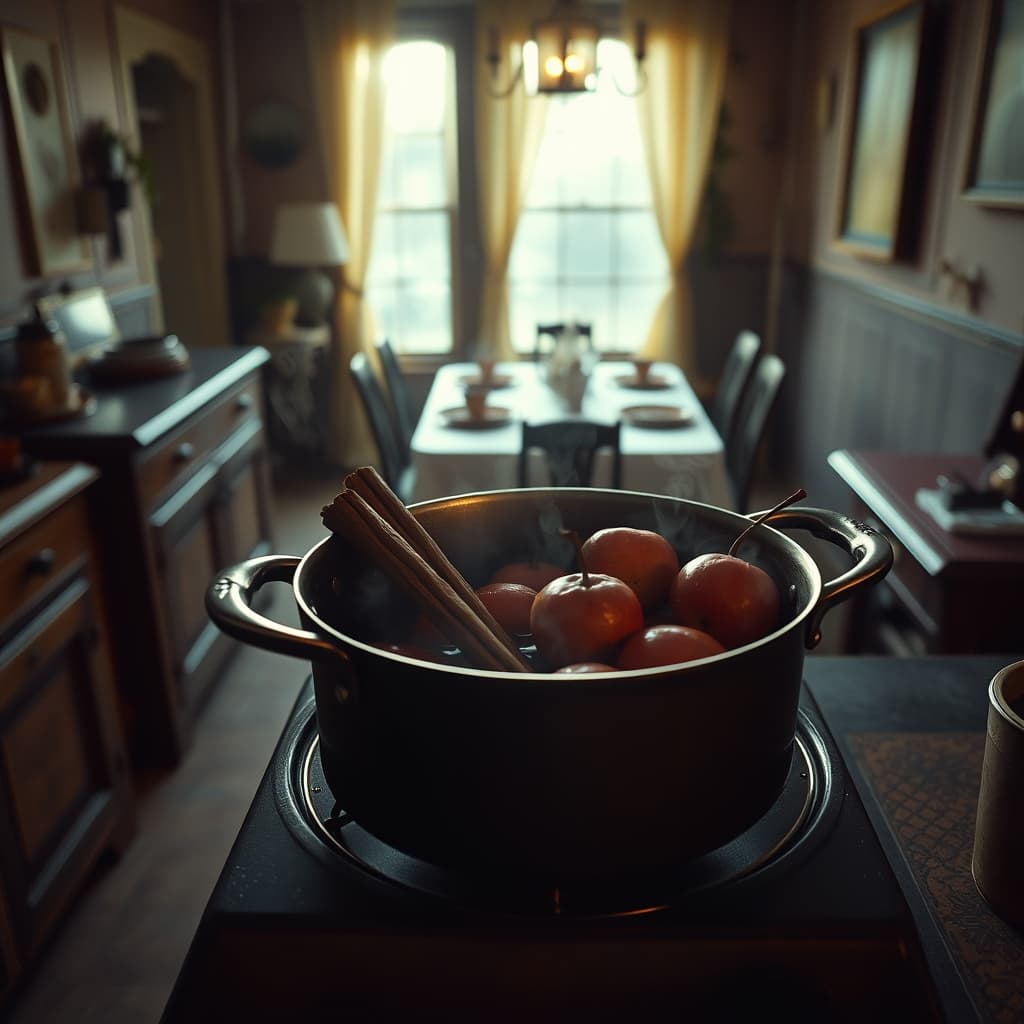
Some desserts are not merely eaten; while they are still cooking, they gather the whole house into their own sense of time. Cinnamon quince dessert was one of them. As afternoon shadows lengthened along the kitchen wall, the warm, slow aroma rising from the pot drifted through the rooms, settling on the tablecloth in the living room, the coat stand in the hallway, even the open pages of a book. As the quinces gradually deepened in color, the syrup thickened, and the cinnamon stick added a layer that seemed to carry older winter evenings inside it. Long before the dessert reached the table, everyone in the house knew it was underway, and a quiet anticipation began. The moment someone said, "I can smell it all the way here," the distance between kitchen and living room shortened, and the rhythm stretching from day toward night tied itself together inside the same pot.
As a matter of taste memory, quince dessert offers one of the most graceful examples of the bond between season and domestic order. The large, firm quinces that appeared in markets through autumn and winter were treated in many homes not with speed, but with patience. Some recipes added cloves, some homes served the dessert with thick cream, and some families used beet or sour cherry juice to deepen the color. Yet cinnamon often stood at the center of shared memory. It did more than flavor the fruit; it altered the air of the house. The dessert cooking in the kitchen gathered into the same aromatic line the person sitting by the stove, the child doing homework, the mother knitting, and the father reading the newspaper by the window. In that way, a dessert ceased to be only kitchen work and became part of the household's common emotional climate.
The fact that the scent filled the entire house also came from the way the dish was prepared. Quince dessert was never rushed over high heat. It softened gradually in the pot, and as it absorbed the syrup, it released more of its fragrance. Each time the lid lifted, warm steam escaped and left a delicate trace on everything indoors. Children wandered into the kitchen hoping to taste a little syrup from the tip of a spoon, while adults answered, "wait until evening," turning patience into a lesson. Once the table was set, the dessert often felt like a simple yet dignified ending held in reserve until the meal was done. With walnuts or cream on top, tea steaming nearby, and night thickening at the window, quince dessert placed a calm joy at the end of the day.
Today many sweets are chilled, unwrapped, and served within minutes. Yet the memory of quince dessert survives differently. It created time inside the house through the very act of being prepared. Its scent arrived early, extended waiting, and gathered those who expected the meal into a shared anticipation. That is why lengthening afternoon shadows belong so naturally to this story. As daylight withdrew, the smell of cinnamon from the kitchen announced evening in the gentlest possible way. While the air cooled outside, the syrup thickened indoors, and the house slowly built its own warmth.
The reason the whole house filled with the same scent when cinnamon quince dessert reached the table lies not only in the recipe, but in a way of living. The dish carried respect for season, time given to slow cooking, and the pleasure of waiting together for a common table. That is why, when quince and cinnamon meet somewhere today, many people feel not only a flavor returning, but a household state of mind. Some tastes settle into memory before they ever reach the tongue.
Why Did the Whole House Fill with the Same Scent When Cinnamon Quince Dessert Reached the Table, with a Rhythm Stretching from Day into Night Through Lengthening Afternoon Shadows