 Eski Pano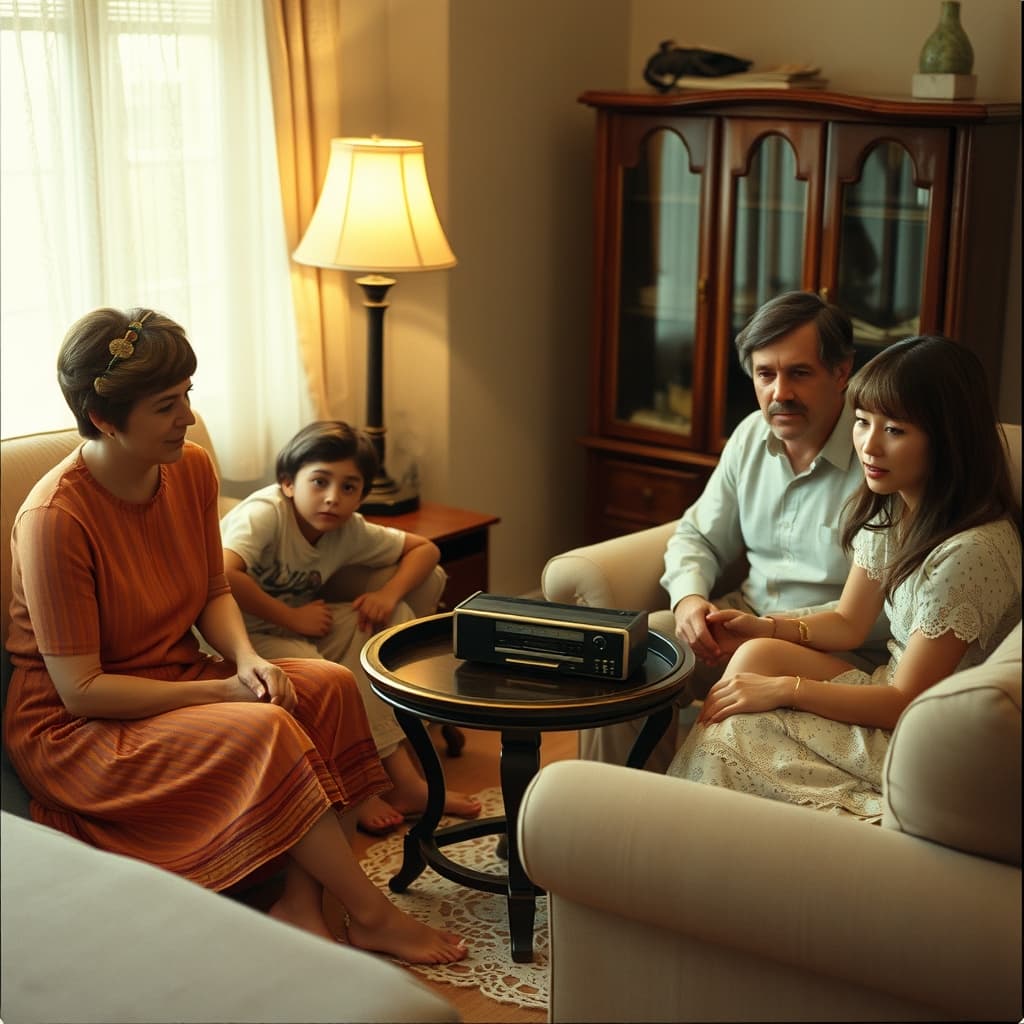
Before music became an invisible stream, using a tape recorder at home required attention. Someone placed the cassette carefully, someone checked the buttons, and the room waited for a small mechanical click. In cultural memory, this is why the tape recorder feels less like a device and more like a domestic ceremony.
A Machine That Gathered The Room
The living room gave the tape recorder its stage. Family members leaned closer, conversations dropped into a softer tone, and the first seconds of hiss became part of the expectation. The object itself asked for care: rewinding, pausing, protecting a recording from being erased, and turning sound into something almost touchable.
Many families remember the tape recorder beside lace covers, glass cabinets, framed photographs, and evening tea. These details matter because they show how technology entered the home slowly. It did not disappear into the background. It sat there, visible and respected, as if it had brought a small archive into the house.
The Quiet Excitement Of Listening Together
What remains vivid is the shared concentration. A recorded voice, a favorite song, or a message from a distant relative could change the atmosphere of the room. The tape recorder made sound feel fragile and valuable, and that fragility is what still gives it emotional weight in stories of tech heritage.