
Neighborhood Fountains and the Meeting Hours That Shaped Old City Life

🇹🇷 | Mahalle Çeşmeleri Ve Eski Şehir Hayatını Şekillendiren Buluşma Saatleri

🇵🇹 | Fontes de Bairro e as Horas de Encontro que Moldavam a Vida da Cidade Antiga

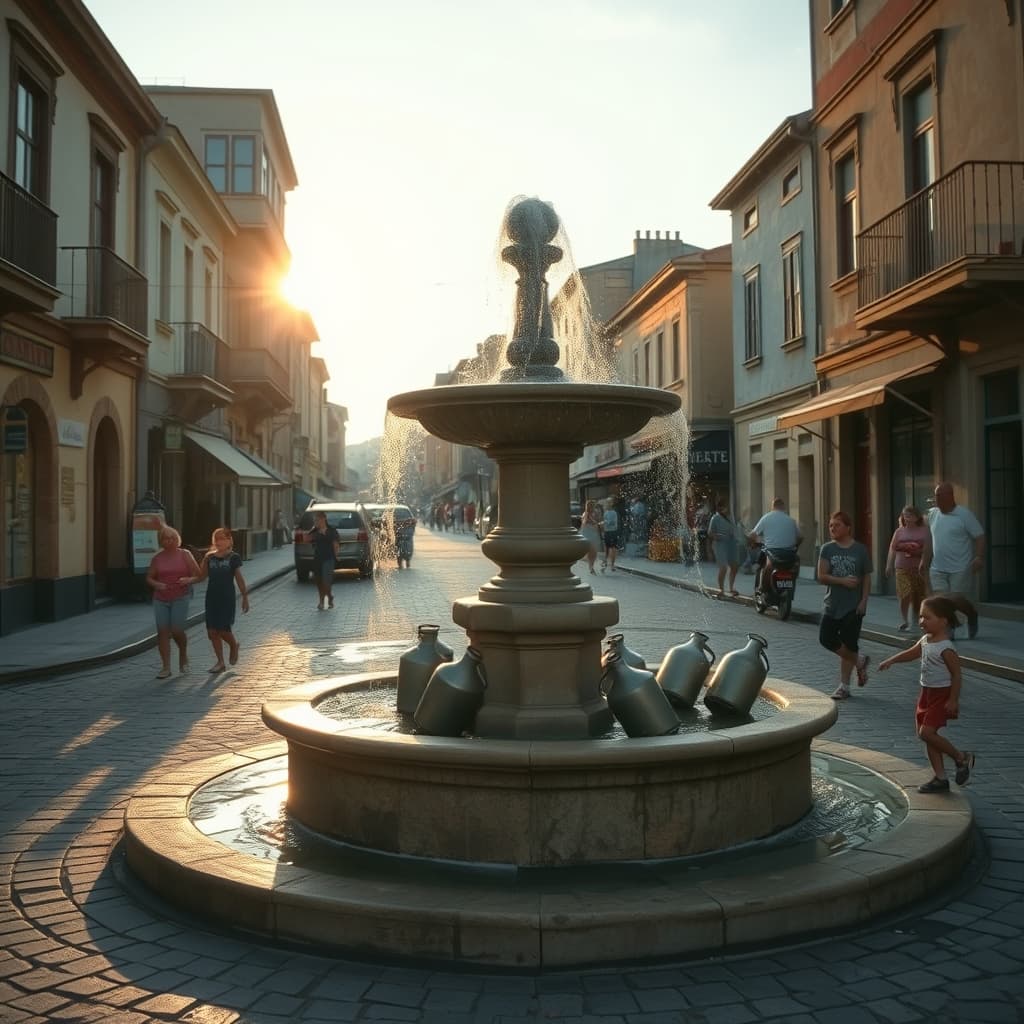
Old city neighborhood fountain with families gathering at evening water hour

🇬🇧 Why the Return from the Shore Still Makes These Shared Water Corners Feel So Vivid in Cultural Memory

In old city life, neighborhood fountains were more than practical water points. They were small public stages where footsteps slowed, greetings became longer, and the rhythm of the street could be read from the people waiting with tins, pitchers, or damp hands. Cultural memory often keeps these corners alive because they gathered ordinary needs and ordinary affection in the same place.

The Hour When The Street Began To Speak

Especially toward evening, after a walk by the shore or a return from errands, the fountain could turn into a quiet meeting point. Someone asked about a relative, someone shared news from the market, and children learned the geography of the neighborhood by listening. These were not official gatherings, yet they carried the intimacy of a shared clock.

The sound of running water gave the scene a steady background. It softened conversations and marked pauses. In many memories, the fountain is remembered with stone worn by hands, metal vessels catching light, and the coolness that seemed to rise from the pavement after a warm day.

Why These Corners Stayed In Memory

What makes neighborhood fountains unforgettable is not only nostalgia. They represented a social habit built around visibility, patience, and mutual recognition. People met without arranging to meet. A simple errand became a small exchange of trust, and the city felt less anonymous because water, conversation, and evening light belonged to everyone.

🇹🇷 Sahil Dönüşü Saatleri Bu Ortak Su Köşelerini Hafızada Neden Hâlâ Bu Kadar Canlı Tutuyor

Eski şehir hayatında mahalle çeşmeleri yalnızca su alınan yerler değildi. Adımların yavaşladığı, selamların uzadığı, sokağın ritminin bekleyen insanların yüzünden okunduğu küçük buluşma noktalarıydı. Kültürel hafızada bu kadar canlı kalmalarının nedeni, gündelik ihtiyacı ve mahalle sıcaklığını aynı yerde toplamasıdır.

Sokağın Konuşmaya Başladığı Saat

Özellikle akşamüstü, sahil dönüşü ya da çarşıdan eve yürünürken çeşme başı sessizce kalabalıklaşırdı. Biri bir yakınının halini sorar, biri pazardan duyduğu haberi aktarır, çocuklar da mahallenin haritasını bu konuşmaları dinleyerek öğrenirdi. Resmi bir buluşma değildi ama ortak bir saatin samimiyetini taşırdı.

Akan suyun sesi bu sahneye sakin bir fon olurdu. Konuşmaları yumuşatır, bekleyişleri ölçerdi. Hafızada çoğu zaman el değdikçe parlamış taş, ışığı tutan metal kaplar ve sıcak günün ardından kaldırımdan yükselen serinlik birlikte kalır.

Bu Köşeler Neden Unutulmadı

Mahalle çeşmelerini unutulmaz yapan yalnızca nostalji değildir. Görünürlük, sabır ve birbirini tanıma üzerine kurulu bir şehir alışkanlığını temsil ederler. İnsanlar sözleşmeden karşılaşır, basit bir ihtiyaç küçük bir güven alışverişine dönüşür, şehir de suyun, sohbetin ve akşam ışığının ortaklığıyla daha az yabancı görünürdü.

🇵🇹 Por que a Volta da Beira-Mar Ainda Mantém Esses Cantos de Água Tão Vivos na Memória Cultural

Na vida das cidades antigas, as fontes de bairro eram mais do que pontos para buscar água. Eram pequenos palcos públicos onde os passos diminuíam, os cumprimentos se alongavam e o ritmo da rua podia ser percebido pelas pessoas que esperavam com latas, jarros ou mãos molhadas. A memória cultural guarda esses cantos porque eles uniam necessidade cotidiana e afeto comunitário.

A Hora Em Que A Rua Começava A Falar

No fim da tarde, depois de uma caminhada pela beira-mar ou da volta das compras, a fonte podia se transformar em ponto de encontro. Alguém perguntava por um parente, alguém contava uma novidade do mercado, e as crianças aprendiam o mapa do bairro ouvindo essas conversas. Não era uma reunião marcada, mas tinha a intimidade de um relógio comum.

O som da água correndo dava calma à cena. Suavizava as falas e marcava as pausas. Em muitas lembranças, a fonte aparece com pedra gasta pelas mãos, recipientes de metal pegando a luz e uma sensação de frescor subindo do chão depois de um dia quente.

Por Que Esses Cantos Ficaram Na Memória

O que torna as fontes de bairro inesquecíveis não é apenas nostalgia. Elas representavam um hábito social feito de presença, paciência e reconhecimento mútuo. As pessoas se encontravam sem combinar. Uma tarefa simples virava troca de confiança, e a cidade parecia menos anônima porque água, conversa e luz de fim de tarde pertenciam a todos.