 Eski Pano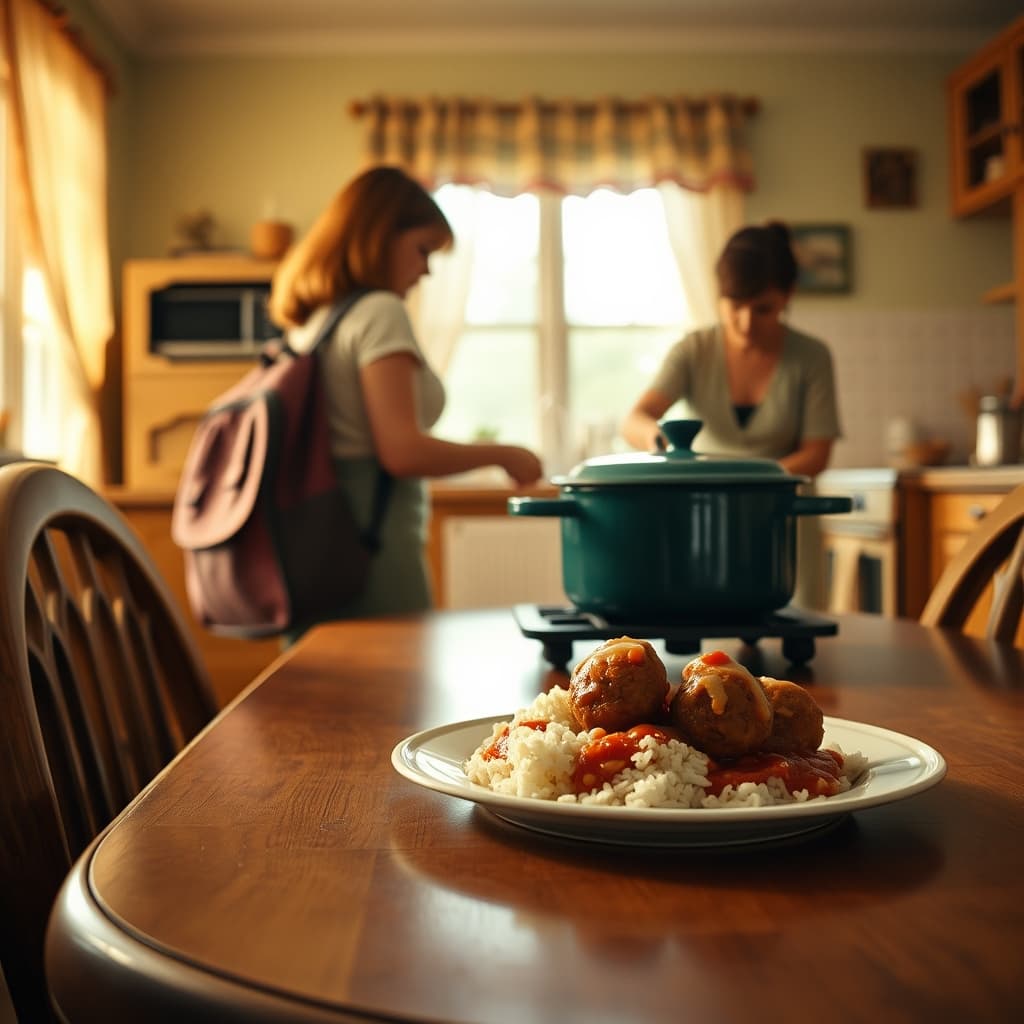
Mother’s meatballs often entered memory through the simplest scene: a child returning from school, a bag dropped near a chair, and a plate placed on the table before the day’s stories were fully told. The first spoon reached the food before hunger could become words.
A Recipe With a Household Accent
Every family had its own version. Some meatballs were softer, some carried more cumin, some were browned more deeply, and some came with rice, potatoes, or tomato sauce. These differences gave the recipe a household accent. The taste did not belong to a cookbook; it belonged to a kitchen.
After-School Hunger and Care
The special place of the dish came from timing. Food waited at the exact hour when the child arrived tired, noisy, and full of small complaints. The plate answered before anyone asked too much. It said that the house had noticed the child’s return.
Why It Remains So Close
The memory remains close because it joins appetite with being cared for. Years later, the smell of meatballs can bring back a staircase, a uniform, a kitchen chair, and the feeling of being expected. That is why the first spoon after school still tastes like family.