 Eski Pano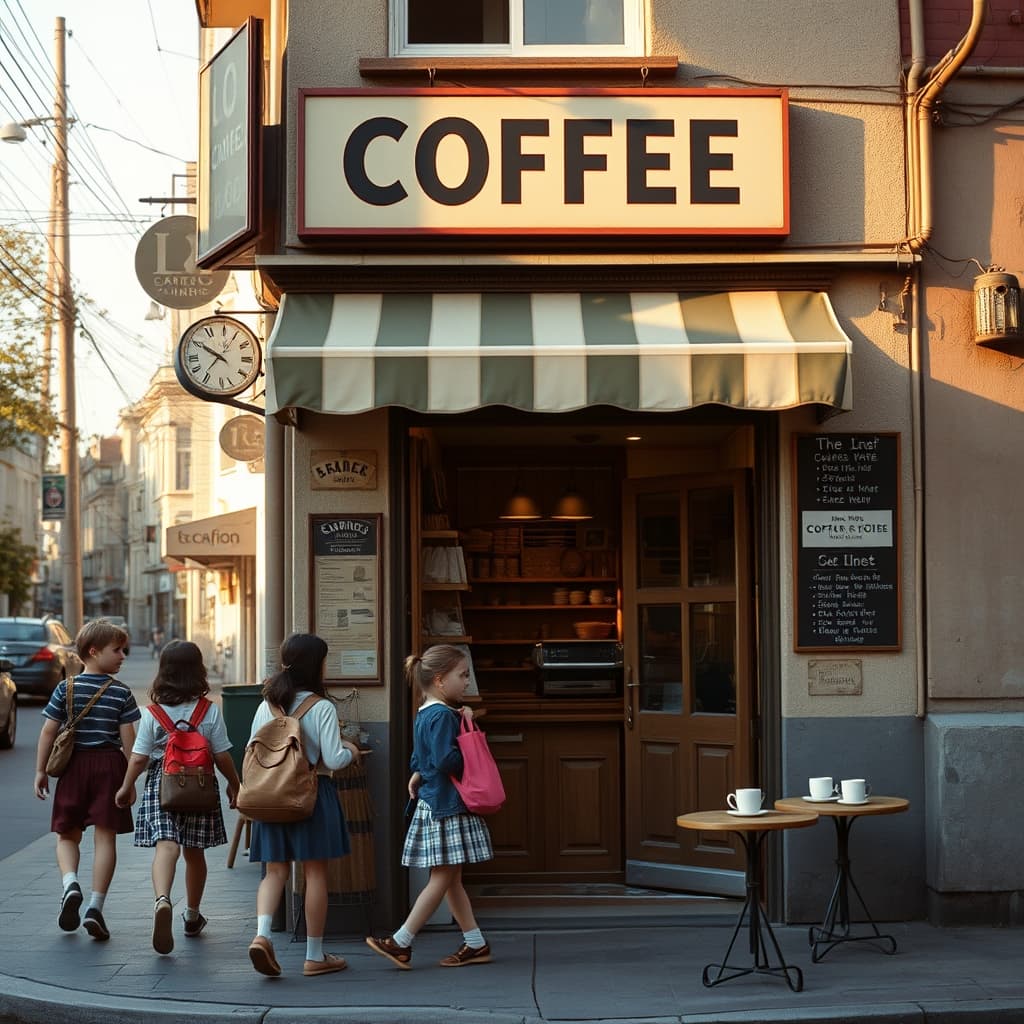
The neighborhood coffeehouse was never only a place for tea and games. It was a small newsroom with open doors. By the time children returned from school, the day’s news had already gathered there, softened by conversation and carried into the street by familiar voices.
The Route Home Passed Through News
School return hours gave the neighborhood a special movement. Children passed the grocer, the tailor, the barber, and the coffeehouse in a route that felt protected. Adults asked about lessons, bags, weather, and parents. News traveled gently because everyone recognized one another.
Shopkeepers as Daily Witnesses
Neighborhood shopkeepers strengthened the bond by noticing details. They knew who came home early, whose father worked late, who needed a notebook, and which child should not cross the street alone. This attention was ordinary, but it gave the street a feeling of shared responsibility.
Why It Feels Like Yesterday
The memory feels close because it was built from repeated small scenes. A glass of tea, a greeting from the doorway, a question about school, and a piece of news drifting from the coffeehouse could make the whole street feel like an extension of home.