 Eski Pano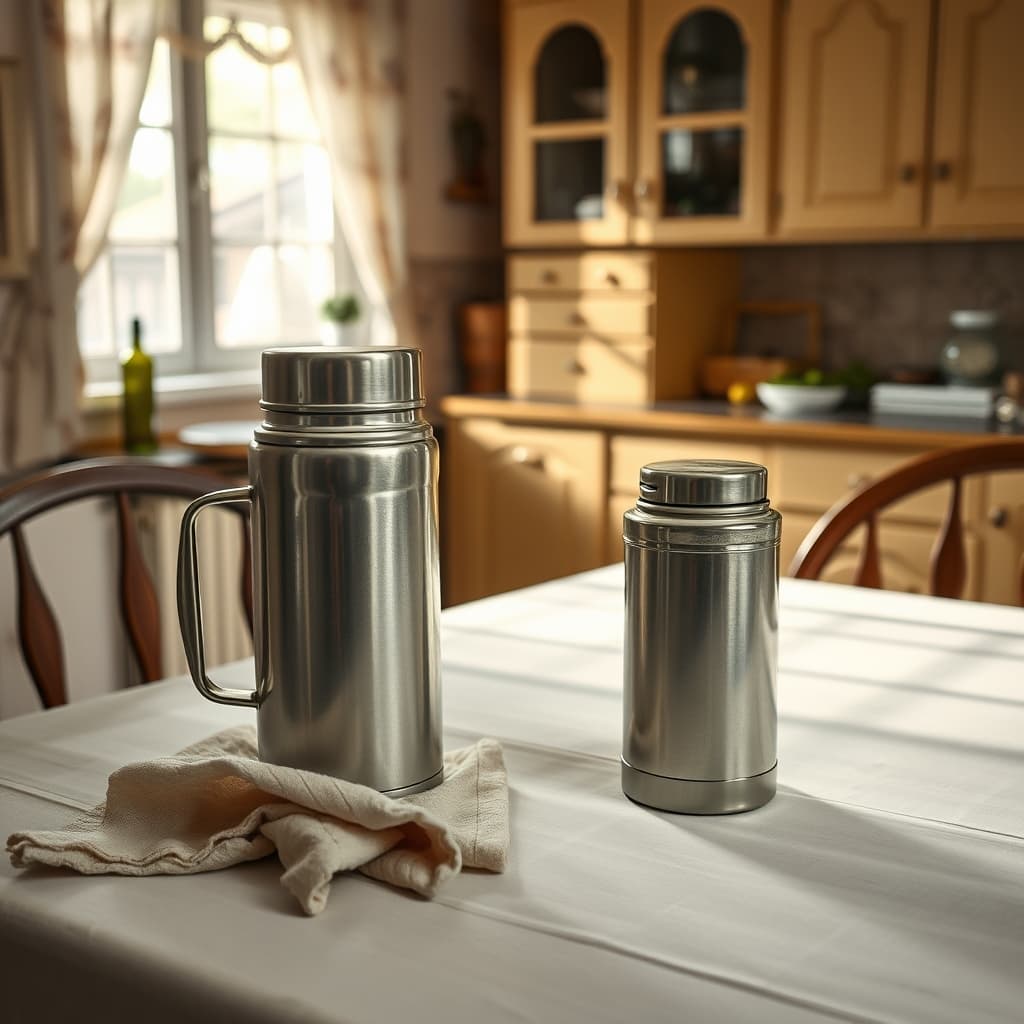
A food thermos begins as a practical object, but in many homes it slowly gathers stories. It carries soup to a relative, warm rice to a traveler, or a carefully packed meal to someone who should not be left hungry. When it appeared again during holiday cleaning, polished and placed in the light, it often looked less like kitchenware and more like a family witness.
The Shine Of Use And Care
Holiday cleaning had a special way of revealing objects. Cupboards opened, shelves were wiped, and forgotten pieces returned to the table for a moment. The food thermos, with its metal surface and firm handle, could shine as if it had been waiting for recognition. Its value came not from rarity, but from service.
Such objects keep the memory of hands. Someone tightened the lid, someone wrapped it in a cloth, someone checked whether the food would stay warm until arrival. These small gestures made the thermos part of a language of care that did not need many words.
Why Practical Things Become Heirlooms
In object stories, the most meaningful pieces are often the ones used again and again. A food thermos may not look ceremonial at first, yet it belongs to journeys, hospital visits, school days, family picnics, and holiday preparations. It becomes an heirloom when people remember not only the object, but the care it carried.