 Eski Pano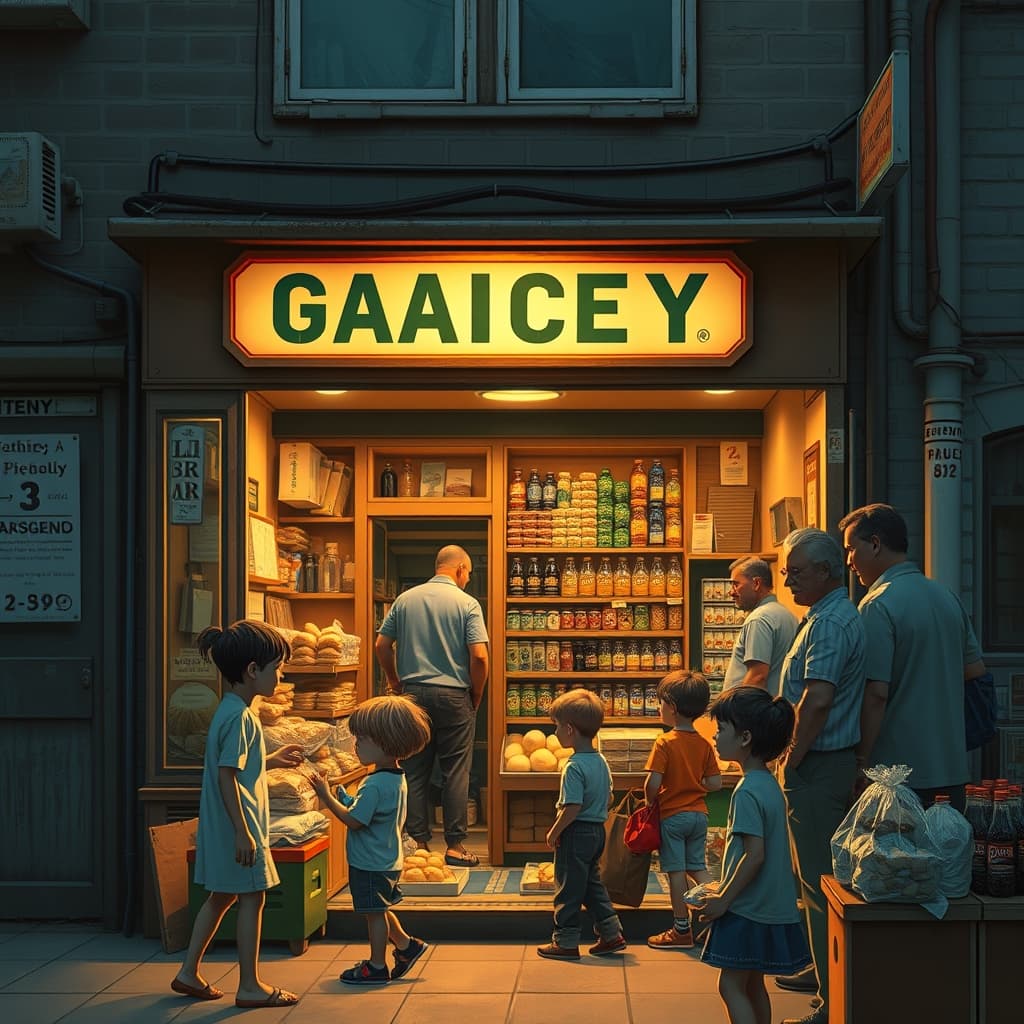
In old summer neighborhoods, a visit to the corner grocer was rarely only about buying something. It was a pause between the heat of the day and the slow arrival of evening. Bread, soda, matches, tomatoes, or a small notebook of household debt could bring people to the same doorway, where the grocer knew not just names but rhythms.
The Shop As A Neighborhood Clock
By late afternoon, the grocer became a quiet clock for the street. Children came with coins held tight in their palms, adults stopped for one forgotten item, and neighbors exchanged a few sentences before climbing back upstairs. The shelves, crates, glass bottles, and paper packets formed a familiar map of everyday life.
What made these visits warm was their smallness. No one needed a formal reason to linger for a moment. A question about dinner, a comment on the weather, or news from another street could stretch a simple purchase into a gentle social ritual.
Why The Errand Became Memory
The corner grocer stayed in cultural memory because it connected household life with street life. It stood between private kitchens and public conversation. On summer evenings, when windows were open and footsteps softened, the shop gathered the neighborhood without announcing it. That modest gathering is why the scene still feels so alive.