 Eski Pano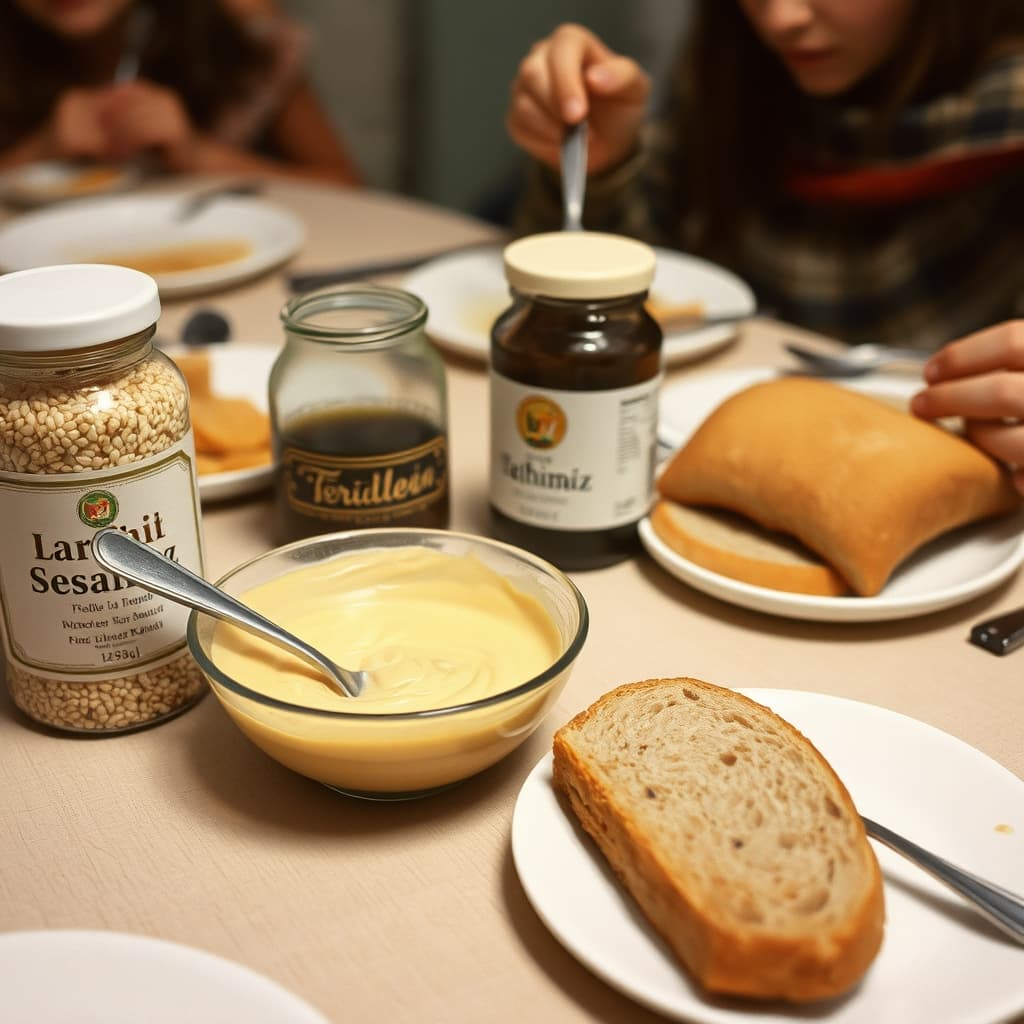
Tahini and pekmez can recall childhood at the first taste because flavour, texture, bread, season, and family routine arrive together. The mixture is also a concentrated food that deserves more precision than either praise as a miracle breakfast or dismissal as sugar. Understanding it begins with the actual products, their proportions, the rest of the meal, the eater's needs, and the household practices that gave the bowl its meaning.
Tahini is generally made from ground sesame, but seed variety, hulling, roasting, grinding, and added ingredients affect flavour and composition. Pekmez can be made from grapes, mulberries, carob, juniper, or other fruits through different regional processes. Industrial and household products are not identical. Labels, producer records, recipes, market sources, and oral histories should identify what was truly served.
The Ratio Changes Taste and Nutrient Density
Tahini contributes fat, protein, minerals, and energy, while pekmez contributes sugars, flavour compounds, and varying micronutrients. Adding more pekmez makes the mixture sweeter and less viscous; more tahini makes it richer and denser. A spoonful, a shallow bowl shared with bread, and a large individual portion have different nutritional contexts. Portion should be described, not assumed.
Breakfast also includes what surrounds the mixture: bread type and amount, cheese, eggs, vegetables, tea, activity, age, health conditions, and meal frequency. No single traditional food guarantees balanced nutrition. People managing diabetes, allergies, swallowing difficulty, energy intake, or other medical needs should seek individual advice from qualified professionals rather than follow nostalgic health claims.
Traditional Does Not Mean Risk-Free
Sesame is a major allergen and can cause severe reactions. The product, serving spoon, grinder, bakery bread, and storage jar may introduce cross-contact with nuts, peanuts, milk, gluten, or other allergens. A host should keep labels, use clean separate utensils where needed, and never reassure a guest based only on appearance or memory.
Pekmez is not the same as honey, yet both are concentrated sweeteners and product names can be confused in family conversation. Infant-feeding guidance, choking risk from bread or thick paste, and age-appropriate texture require current professional sources. Feeding a child from a shared spoon also transfers saliva. A remembered practice should not override present health advice.
Storage and Labelling Protect the Bowl
Tahini naturally separates; clean stirring may restore consistency, but rancid odour, unusual bitterness, mould, swelling, leakage, pests, or damaged seals need attention. Pekmez can crystallise or change viscosity without necessarily becoming unsafe, while fermentation, mould, contamination, or improper storage are different concerns. Follow the producer's instructions and local food-safety guidance.
Shared jars should be protected from wet or crumb-covered spoons. Sunlight, heat, repeated temperature change, and unclean lids shorten quality. Homemade pekmez needs documented ingredients, process, acidity or concentration controls where relevant, clean containers, and responsible storage. Tradition is not a substitute for hygiene or traceability.
Claims that tahini–pekmez cures anaemia, strengthens immunity, replaces treatment, or is automatically ideal for every child go beyond what a family memory can establish. Nutrient content varies and absorption depends on the whole diet and individual condition. Responsible cultural writing can describe energy, ingredients, and custom without promising medical outcomes. Sweet, sticky foods also make regular dental care and meal context important.
A Digital Nostalgia Archive can connect the breakfast bowl with sesame and fruit sources, producer labels, household ratios, mixing utensils, bread, serving size, seasonal use, contributor memories, allergy information, storage, and contemporary evidence. The first bite returns so vividly because taste carried place and care. Preserving the habit responsibly means honouring regional knowledge while being exact about ingredients, portions, allergens, hygiene, infant safety, dental health, and the limits of nutritional claims.