 Eski Pano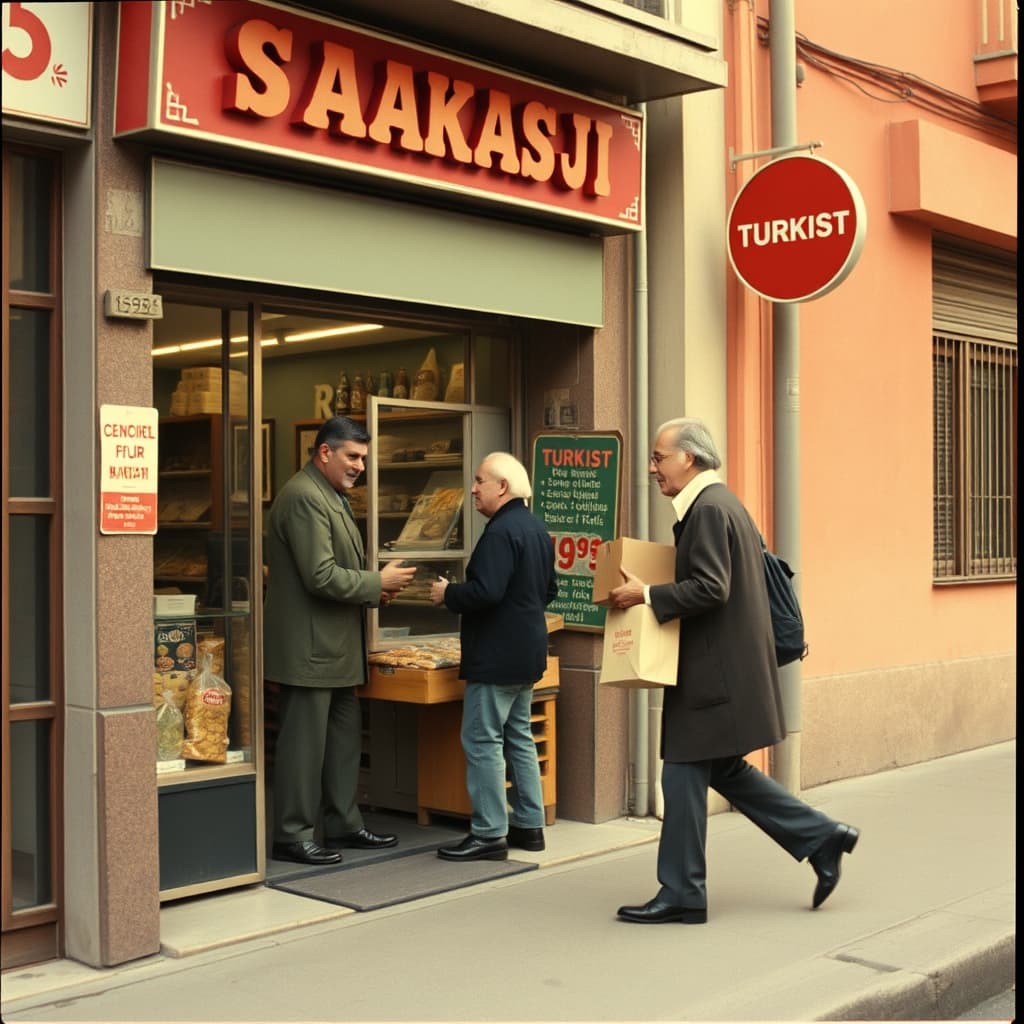
A shopkeeper's morning greeting could communicate more than politeness. It confirmed that shutters were open, recognised a familiar passer-by, signalled that deliveries had arrived, and marked the street as awake. Repeated over years, the exchange could support trust. Yet its meaning depended on who was greeted, who was ignored, what commercial relationship existed, and how much personal information a public conversation exposed.
Morning routines varied by trade, district, season, religion, working hours, ownership, regulation, and period. A baker, grocer, barber, pharmacist, coffeehouse, market stall, and repair shop opened differently. Licence records, delivery schedules, account books, photographs, trade associations, oral histories, and resident testimony help reconstruct one street without treating every shopkeeper as the same neighbourhood figure.
Recognition Worked as Informal Information
Knowing a customer's usual time or purchase could make service efficient. An unexpected absence might prompt concern, while a hurried expression could signal the need for help. Shopkeepers also knew road closures, price changes, job leads, funeral notices, lost items, and delivery delays. Useful awareness became harmful when observation turned into gossip, diagnosis, political judgement, or surveillance.
Informal welfare might include holding a parcel, letting someone make a call, directing a visitor, lending a chair, or checking on an older resident. These acts mattered because a staffed shop offered a visible point of contact. They were not substitutes for medical care, safeguarding, emergency services, or social support. A shopkeeper should not be expected to carry unlimited responsibility without training or consent.
Trust and Credit Were Closely Connected
A greeting could open a conversation about a running account, delayed payment, reserved goods, or a household order. Credit helped families bridge irregular income, but it also gave the seller sensitive knowledge about debt and consumption. Ledgers needed accuracy and discretion. Public reminders, unequal terms, pressure on children, or sharing a family's difficulty could turn trust into humiliation.
Commercial friendliness was still labour. Remembering names, listening, calming disputes, translating, lifting deliveries, sweeping the pavement, and maintaining a welcoming manner required time and emotional effort. Owners, family workers, apprentices, and employees did not receive equal pay or choice. Romantic accounts should include early hours, long standing, harassment, risk of theft, and the pressure to be sociable while working.
Not Everyone Entered the Same Social Street
Women, migrants, minorities, disabled people, children, poor customers, newcomers, and people outside dominant social networks could experience the greeting differently. Familiarity might offer protection, or it might invite intrusive questions and judgement. A customer has the right to brief, private service without performing neighbourliness. Language access, step-free entrances, readable prices, and respectful conduct matter more than compulsory warmth.
Morning opening also affected street safety. Clear pavements, secured shutters, safely stacked crates, controlled delivery vehicles, adequate lighting, and unobstructed ramps protect everyone. Shop displays, stools, signs, hoses, and goods should not block tactile paths or emergency routes. Watching the street does not justify confronting danger; suspected fire, violence, gas leaks, or medical emergencies require trained services.
Digital messaging, chain stores, delivery platforms, cameras, and cashless payments have changed recognition but not removed its ethical questions. Customer data, loyalty records, video, and order history can reveal more than an old ledger. Modern local commerce needs transparent data practices, limited access, retention rules, and the same discretion once expected in face-to-face conversation.
A Digital Nostalgia Archive can connect shopkeeper greetings with opening schedules, delivery routes, account practices, street plans, accessibility, worker testimony, informal aid, complaints, and the experiences of people who felt excluded. The morning exchange strengthened neighbourliness when recognition remained voluntary, discreet, and reciprocal. Preserving it means valuing service labour while keeping firm boundaries around debt, privacy, safety, inclusion, and the right to pass without explanation.