 Eski Pano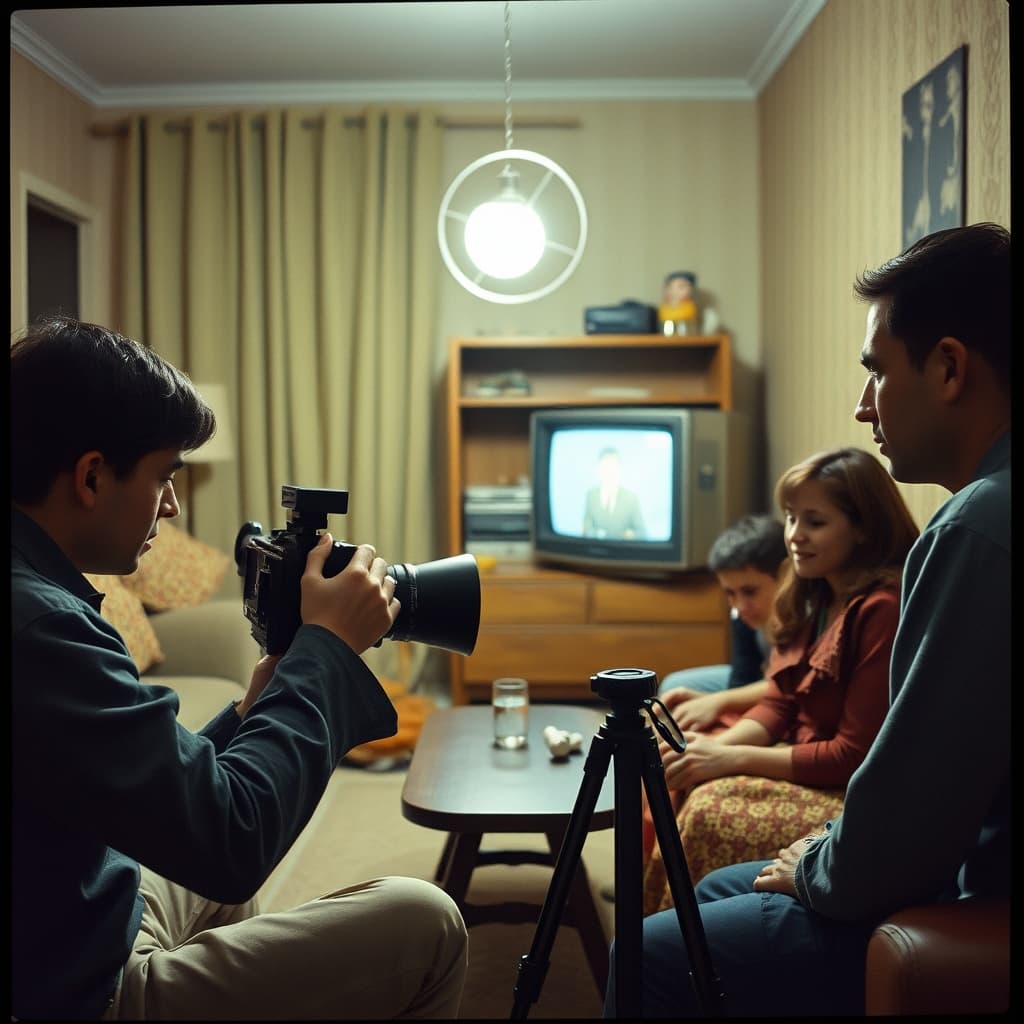
Using a Super 8 camera made an ordinary family moment feel planned. A cartridge was loaded, the lens checked, and relatives were asked to move into light or repeat an entrance. Because film was limited and processing cost money, the person behind the camera watched the counter and chose when to press the trigger. A few seconds acquired the weight of a small ceremony.
Kodak introduced the Super 8 format in 1965, using cartridges designed to simplify loading compared with earlier small-gauge systems. Cameras nevertheless varied in frame rate, metering, lens, focusing, cartridge recognition, and later sound capability. Silent and sound film, different stocks, and diverse projector systems require accurate identification. A reel in a Super 8 box may even contain another format after decades of family storage.
Limited Footage Changed Behaviour
A cartridge offered only a few minutes at standard shooting speed. Short shots conserved film, while pans and zooms could consume precious length without producing a clear result. Family filmmakers learned to hold the camera steady, use brief scenes, avoid backlighting, and let people enter or leave the frame. Others embraced movement and accidents as part of the home-movie style.
The camera influenced the event. Children performed, adults waved, and a meal paused while someone arranged the group. People who disliked being filmed could be pressured by the collective mood. Historical footage should be valued without assuming universal consent. When digitised or published, private interiors, children, vulnerable moments, and living individuals need careful access decisions.
The Image Was Incomplete until Processing
After filming, the cartridge went to a laboratory. The family could not immediately confirm focus, exposure, colour, or camera movement. Delay created anticipation and risk: processing might reveal dark interiors, overexposed windows, light leaks, or a camera fault. Laboratory envelopes, dates, stock codes, and receipts can help establish when and where the film was made.
Some families added titles, spliced scenes, or combined reels; others projected the processed film exactly as returned. Sound might come from a magnetic stripe on compatible later material, a separate tape recording, records, radio, or live narration. A television antenna or radio in the room belonged to the domestic media setting but did not technically improve the exposed film. Preserving such distinctions prevents nostalgic details from becoming false explanations.
Projection Repeated the Ceremony
The projector required threading, focus, screen distance, a take-up reel, and attention to the film path. Lamps produced heat, mechanisms could scratch or tear film, and old electrical parts may be unsafe. Before screening an irreplaceable reel, a qualified technician should assess the projector. Clean film paths, suitable leaders, ventilation, and supervised operation reduce damage.
Ageing film may shrink, curl, fade, become brittle, or develop a vinegar-like odour associated with acetate deterioration. Strong odour, sticky surfaces, mould, or severe damage call for isolation and specialist advice. Film should not be cleaned with household solvents or forced through a projector. Cool, dry, ventilated archival storage and appropriate reels or cores slow further loss.
Digitisation is more than pointing a camera at a screen. Frame-by-frame scanning, correct frame rate, stable capture, careful colour management, and preservation of the full image area usually produce better results. The unedited master should remain separate from stabilised, graded, or music-added versions. File metadata needs reel order, stock, dates, people, places, scanner, and any editorial changes.
A Digital Nostalgia Archive can connect Super 8 reels with cameras, cartridges, laboratory envelopes, projector manuals, travel papers, diaries, audio recordings, and interviews with both filmmakers and subjects. The ritual came from scarcity, delay, collective performance, and later projection. Preserving it means keeping technical evidence and family voices together while respecting consent, electrical safety, film fragility, and the difference between the event remembered and the event actually captured.