Eski Pano
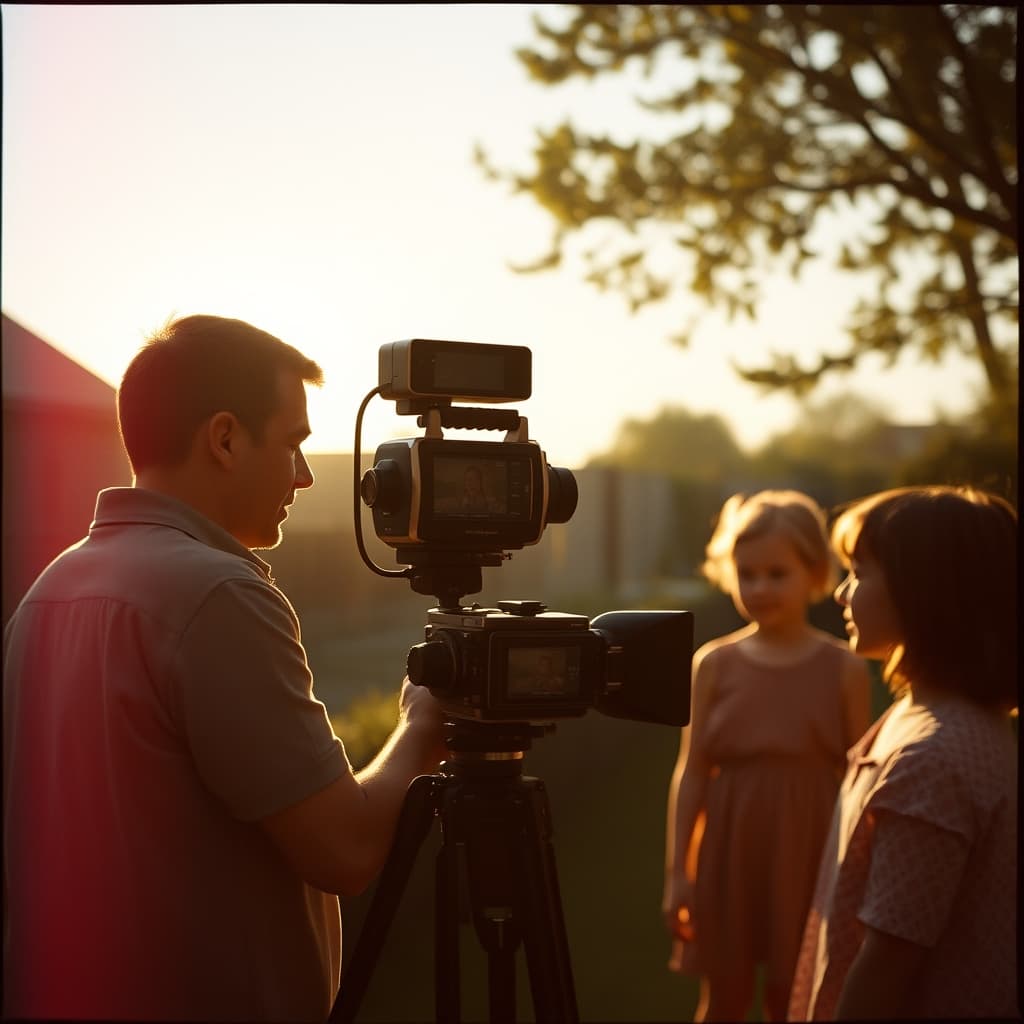
There was a time when, in certain families, the moment a Super 8 camera was taken out of the cupboard, the mood of the house changed at once. This small device was not prepared merely to record images; an entire rhythm of the day was rebuilt around it. Batteries were checked, the film cartridge was placed carefully, the location of the shoot was discussed, and even the quality of the light was considered. As lengthening afternoon shadows spread across the courtyard, balcony, or seaside path, the person holding the camera ceased to be only an ordinary family member and became something like a quiet master of ceremony, gathering time itself. Because recording images was not as easy then as it is today, every second felt more valuable, every frame more deliberate, and every small gesture more meaningful.
Seen as technological heritage, the Super 8 camera was an elegant analog machine that brought the dream of home cinema into everyday life. Its mechanical sound, the weight in the hand, and the strict limit of film available created a technological experience that disciplined its user while also exciting them. During filming, one often heard the sentence, “Let’s not waste it,” and children facing the camera behaved with both curiosity and care. In a sense, the device taught the value of images. The phrase about hope becoming clearer as the antenna was turned suits the visual culture of the era well, because it reminds us that images were achieved through effort. Adjusting a television antenna for a sharper picture and preparing a Super 8 camera for family memory belonged to the same world: both were technical rituals of patience performed in expectation of a luminous result.
What turned this practice into a ceremony was that filming did not begin and end with the moment of capture. There was preparation beforehand, coordinated movement during, and waiting afterward. Once the film was finished, there was no instant playback. People accepted that one first had to live and only later remember. Relatives walking by the sea at the summer house, elders cutting watermelon in the garden, children returning from school, or guests arriving during a holiday all seemed to move more slowly once they entered the camera’s frame. Everyone knew that these few seconds being recorded would be watched again on some entirely different evening in the future. That is why even a wave, a smile, or the turning of a head was lived more attentively than usual.
The rhythm stretching from day into night through long afternoon shadows was itself part of what made this technology special. The Super 8 was rarely used at the hurried center of noon; it appeared when the sounds of the day had settled slightly. Light softened, faces looked warmer, and as the neighborhood slowly moved toward dinner, the camera lens transformed ordinary life into a small film. Today thousands of moving images can be saved with one touch on a phone, but then even a few minutes of film represented effort, expense, and concentration for a family. For that reason, the Super 8 camera remains in memory not simply as a device, but as a symbol of looking with intention, recording with patience, and preserving time without consuming it carelessly.
Perhaps its true ceremonial quality lay in making people part of a scene being lived in the present and remembered in the future at the same time. Once the camera began to run, daily life gathered itself slightly; people became aware of their posture, smile, even their walk. This was less artificiality than the joy of being considered worth recording. If the Super 8 camera is still remembered, it is because it did more than capture images: it taught families the value of time, the labor inside every picture, and the way late afternoon light could join itself to memory.
Why Using a Super 8 Camera Together with Hope Becoming Clearer as the Antenna Was Turned Was a Ceremony in Itself in the Rhythm Stretching from Day to Night Through Lengthening Afternoon Shadows