 Eski Pano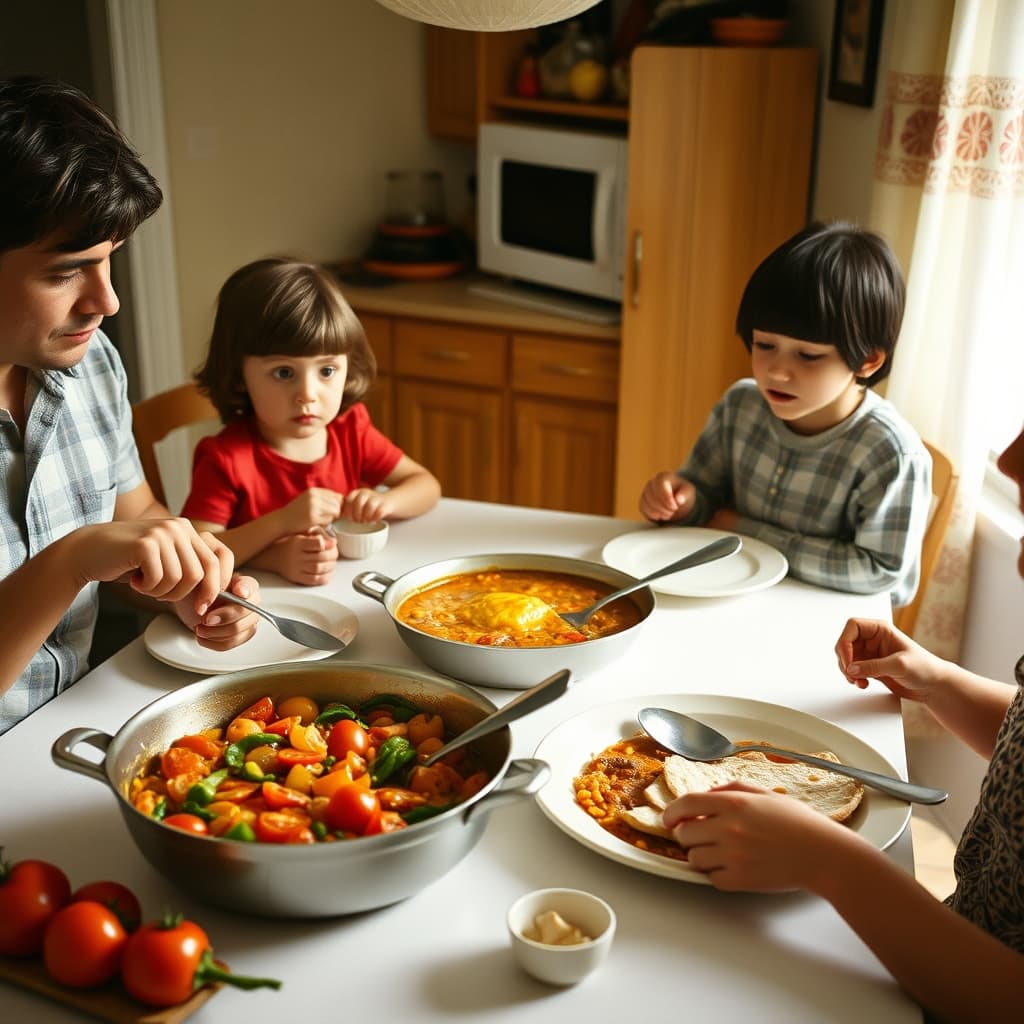
Summer menemen often began with produce that needed little persuasion. Ripe tomatoes released juice quickly, peppers carried the season's aroma, and eggs turned the pan into a meal that could expand when another person arrived. Bread moved around the table, and the pan itself sometimes became the shared plate. Simplicity made the dish adaptable, not effortless or identical in every home.
There is no single uncontested menemen formula. Onion is essential to some cooks and unwelcome to others. Tomato may be peeled, grated, chopped, or cooked down; peppers vary in sweetness and heat. Egg can be stirred fully, folded softly, or left partly distinct. Butter, olive oil, cheese, herbs, or spices appear according to household and region. Documentation should name the cook, place, season, and method.
Summer Produce Set the Pace
Good tomatoes contributed flavour, acidity, water, and texture. Very juicy fruit might need longer reduction before egg entered, while firmer varieties behaved differently. Peppers were selected, washed, trimmed, and cooked to the desired softness. Bruised produce could be used after careful inspection and trimming, but mouldy or spoiled ingredients should be discarded rather than rescued through heat.
Seasonal abundance also encouraged preserving tomatoes and peppers for colder months, but a fresh pan should not be confused with safe canning practice. Bottling low-acid mixtures requires tested guidance, correct acidity, processing, containers, and storage. A family memory of jars keeping well does not establish microbiological safety. Recipes for immediate eating and preservation belong in separate records.
One Pan Gathered Unequal Work
The apparent speed of menemen depended on shopping, washing, cutting, managing the stove, setting bread and tea, serving, and cleaning. Women often carried these tasks while others remembered only the convivial pan. A culture of sharing becomes more accurately visible when the archive names who chose ingredients, cooked, refilled plates, cared for children, and cleared the table.
The dish could stretch hospitality. Extra tomato, another egg, more bread, or a side plate made room for a visitor. Yet not every shared pan signified abundance. It could reflect tight budgets, limited fuel, temporary housing, student life, or work breaks. Warm recollection should leave space for economic circumstances and for people who had less choice about the meal.
Sharing Needed Table Etiquette and Safety
Eggs require hygienic handling and sufficient cooking appropriate to the diners, especially for people at higher risk from foodborne illness. Cracked or dirty eggs need caution according to current local guidance. Raw egg should not contact ready-to-eat bread, utensils, or surfaces. The finished pan should be served promptly rather than kept warm for long periods in summer heat.
Eating communally from a pan may feel intimate, but clean individual utensils and plates can reduce saliva transfer and accommodate guests who prefer personal portions. Double-dipping bread should never be imposed as authenticity. Wheat, egg, milk from butter or cheese, and other ingredients must be identified for allergies and dietary needs. Hospitality includes making the table safe and comfortable.
Menemen's public identity has grown through restaurants, social media, tourism, and debates over ingredients. These arguments can be playful, but they may flatten regional diversity into a contest with one winner. Menemen is also associated with a real district whose agricultural and social history deserves more than a culinary slogan. Claims about origin should be supported by menus, newspapers, cookbooks, agricultural records, and oral testimony.
A Digital Nostalgia Archive can connect the dish with market receipts, seed varieties, pans, stoves, recipe notebooks, family photographs, workplace breakfasts, restaurant menus, and recorded cooks. Summer menemen carried sharing culture because it could respond quickly to season, company, and available means. Preserving it well means keeping variation and pleasure while recognising labour, food safety, economic context, and the individual choices gathered around one pan.