Eski Pano
There was a time when kitchens became restless in a different way on the days when the seasons were truly changing. As the heaviness of winter receded or before the oppressive heat of summer fully arrived, women prepared kısır for the midday table, waiting for the fine bulgur to soften while arranging fresh herbs across the counter. Days of sumac kısır were not simply about making a recipe; they were the domestic language through which a seasonal shift found expression. That familiar balance between tartness and freshness suited the uncertain days when wardrobes were changing, curtains were being washed, and a quiet sense of renewal moved through the house. The reason those days seem more meaningful today is that kısır was never only something to eat. It gathered conversation, neighborliness, and the feeling of the season at the same table.
From the perspective of taste memory, sumac kısır stood on that delicate line between the everyday and the ceremonial in past kitchen culture. It was neither entirely a feast dish nor an ordinary weekday soup. Rather, it found its place in women's gathering days, visits between neighbors, after-school treats, and small household meetings that announced the turn of the season. The way it was kneaded in a tray, the careful balance of pomegranate molasses, and the abundance of mint, parsley, and green onion all showed the attentiveness of the host. Sumac was not only a seasoning, but a defining signature in the memory of the dish. With its slightly sharp, lively, cooling note, it made kısır one of the tables best suited to seasonal transitions. That flavor carried precisely the freshness people sought on days when both weather and mood were shifting.
The meaning of sumac kısır days also comes from the social ritual built around them. The tablecloth was spread, small plates were arranged, tea was set on the stove, and somewhere a cake or cookies were prepared as well, yet conversation almost always gathered around the kısır. Each spoonful lifted from the tray made visible not only flavor, but household labor itself. It was known who preferred more lemon, who wanted lettuce on the side, who liked the spice kept gentle, and the serving followed these small personal truths. It was no coincidence that such tables multiplied during transitional seasons. At exactly those times, people felt a stronger need to visit one another, air out their homes, and share a kind of inner freshness. Kısır answered that need in a way that was economical, generous, and full of many voices at once. Its logic belonged not to a single ingredient, but to gathering.
Another reason sumac kısır days look more meaningful in memory is that they reveal clearly how the kitchen once related to the season itself. After the heavy pots of winter, there arose a desire for something greener, livelier, and more mobile on the plate. Before summer arrived, the palate wanted a little tartness, a little freshness, and the cheer of a crowded table. Sumac kısır was the food of exactly that threshold. When we remember it, we recall not only the taste, but also the patience of waiting for fine bulgur to swell, the bunches of parsley being chopped, the scent settling into the palms while kneading, and the tray being carried to the table. What gives a dish meaning is often these scenes of preparation beyond the recipe itself. Kısır worked like a domestic tradition that did not merely announce the change of season, but made it edible.
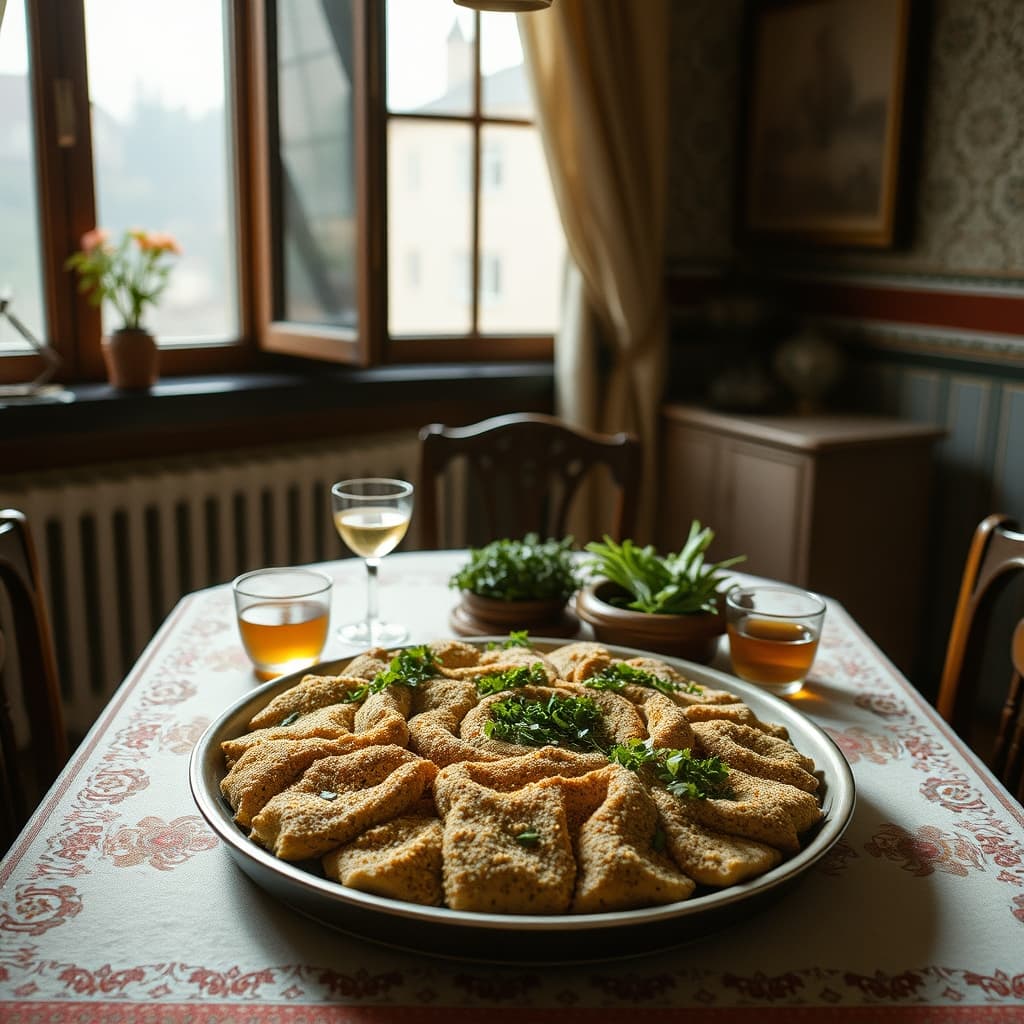
Even today, when sumac kısır is served somewhere, the same familiar softening appears on many faces. That taste touches not only the palate, but social memory. It contains the sound of neighbor gatherings, the clink of plates, the mist rising from tea glasses, the spring breeze entering through the window, and the host's insistence that one should take a little more. This is why it gains even more meaning during seasonal transitions: kısır is the warm answer a home offers to changing weather. In the kitchen culture of the past, some dishes fed the body, while others marked time itself. Days of sumac kısır belonged to the second kind. They showed that the season was changing not only on the calendar, but also at the table and inside conversation. That is why they are not merely remembered today, but deeply missed.
Sumac Kısır Days: Why Do They Gain Even More Meaning During Seasonal Transitions?