Eski Pano
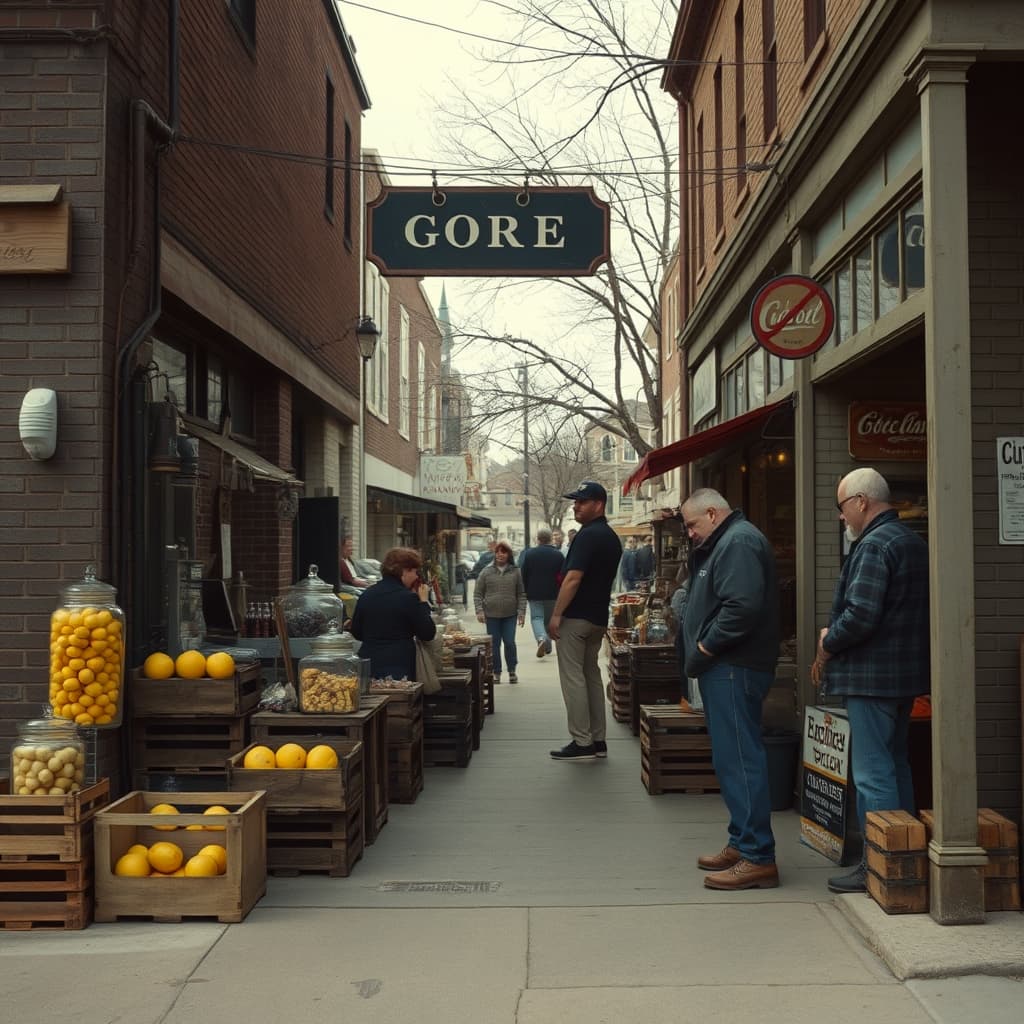
There was a time when, in the first days of spring, before the late afternoon cool had fully settled, the liveliest corner of the neighborhood was the grocer’s front. The small bell above the door opened and closed, lemons stacked in wooden crates, soda bottles, and candies inside glass jars caught the day’s last light. People usually stopped there not for a grand purchase, but for a loaf of bread that had run out, a few eggs needed before morning, or something small to accompany tea. Yet the matter was never limited to what was bought. The grocer’s threshold created a brief but warm pause between house and street, and at the beginning of spring the neighborhood made its own voice heard there more than anywhere else.
Seen through the lens of neighborhood culture, the corner grocer was one of the most natural points of contact in older districts. Smaller than the market, more everyday than the coffeehouse, and more talk-filled than the bakery, it was a place everyone passed at least once. A child returning from school, a father leaving work, a neighbor who had run out of salt, or a host who suddenly remembered expected guests all found their way there. What made late afternoon visits so warm was exactly this variety. Different ages, worries, and tones of voice stood side by side within the same small shop. The grocer was never only a seller; he was the memory of the neighborhood, knowing which house had illness, which child was saving pocket money, and who needed an item written into the ledger until later.
The beginning of spring added a special softness to this scene. Winter’s heaviness loosened, doors stayed open a little longer, and returning home took on a rhythm that was quick but not harsh. Brief conversations in front of the shop stretched out, someone leaned against the lemon crate and asked after another’s family, one child stared at bright chewing gums, and a quiet nod accepted the sentence, “I’ll pay tomorrow.” These small moments contained the larger emotions that made a neighborhood feel warm. The old grocer’s culture was defined not only by mutual recognition, but by the fact that even daily shortages could be handled within a natural and unjudging familiarity. Doorstep, interior, and pavement joined in the same sense of community.
What is missing from the orderly shelves of chain markets today is precisely this in-between warmth. Things may be more abundant, faster, and more efficient now, yet the human contact once visible in old grocer visits has thinned out. The neighborhood grocer was a place that never separated need from conversation. Weather was discussed while buying bread, a child’s school life was asked about while writing a debt into the notebook, and the air of an upcoming holiday or football night was felt while choosing soda. Part of the reason those springtime late afternoon stops are remembered so vividly is that the neighborhood did not only shop there; it remade itself there every day.
Perhaps they are remembered as the warmest scene of old neighborhoods because life appeared in front of the grocer without excess decoration yet without any sense of lack. A wooden crate, a glass jar, a child’s bicycle left by the door, a neighbor carrying a mesh bag, and the question from inside, “Was there anything else?” together formed an evening portrait belonging entirely to the quarter. With the first coolness of spring, that portrait became even more alive, and the grocer, as the last stop before home, turned into one of the warmest, most human, and most memorable frames of neighborhood life.
Why Late Afternoon Stops at the Corner Grocer at the Beginning of Spring Were the Warmest Scene of Old Neighborhoods