 Eski Pano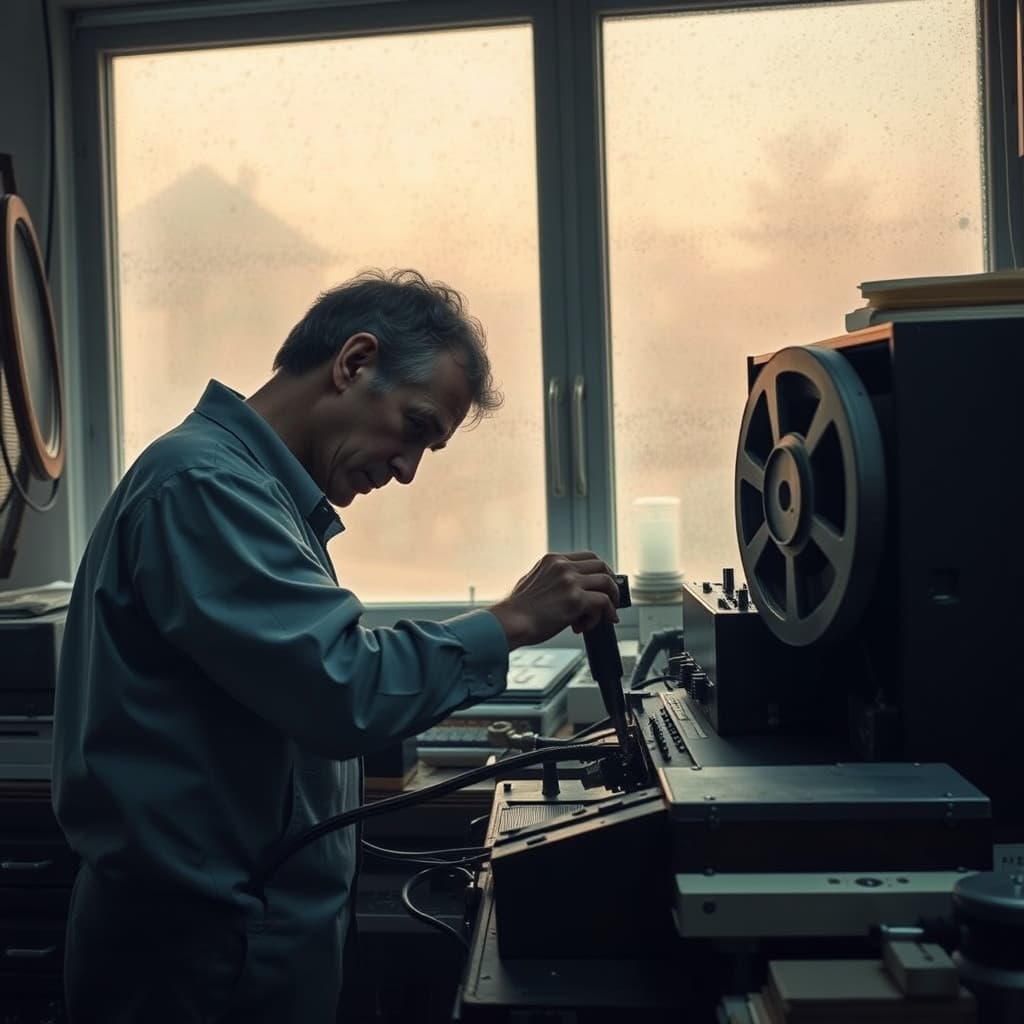
A sound recorder reached the repair bench with a complaint expressed through listening: the tape moved but nothing was captured, playback was slow, a button refused to stay down or the machine added a mechanical noise to every voice. The technician asked what happened before the failure and whether batteries, cables or a particular cassette had been tried. A useful diagnosis began with circumstances rather than immediate disassembly.
Recorders served different purposes in homes, schools, offices and field work. They preserved speech, music, lessons, notes and family moments, depending on format and access. Designs varied from compact cassette machines to larger devices, so technical claims must remain model-specific. What they shared was a chain: sound entered through a microphone, became a recorded signal on a medium and later returned through playback.
The Tape Path Collected Tiny Causes Of Failure
Where tape was used, rollers, capstans, heads and guides had to move and contact the medium correctly. Dust, oxide, worn rubber or an incorrect path could affect speed and clarity. Cleaning required suitable materials and restraint. Forcing a jammed cassette risked stretching the tape and damaging the mechanism. The recording itself might be more valuable than the machine, so safe removal came before ambitious repair.
Power and controls were tested systematically. Weak batteries could imitate motor trouble; dirty switches could interrupt recording; a cable fault could silence an external microphone. The technician separated symptoms through measurement and controlled trials. Opening the case revealed belts, gears, solder joints and earlier repair attempts. Each observation reduced guesswork.
A Repair Was Complete Only After Recording And Playback
A machine that merely powered on was not ready to return. It needed to record a test sound, play it back at stable speed and respond to pause, stop, rewind and level controls where present. Listening for wow, distortion or dropouts checked performance in the same language the owner used to describe the fault. The test medium was identified clearly so it could not be confused with a customer's recording.
Spare parts determined the limit of skill. Workshops kept belts, switches, donor mechanisms and small components, but a custom part might be unavailable. Repair could then be temporary or uneconomical. Trust required explaining this honestly rather than promising permanent recovery. Electrical safety and heat also mattered, especially with mains-powered equipment.
Phones now record sound instantly, but older recordings remain trapped on fragile media and functioning machines are needed for careful transfer. The sound recorder belongs in a Digital Nostalgia Archive because it links technology to the human wish to keep a voice. On the bench, repair protected both hardware and access. Buttons, motors and tape paths received attention so that a stored sound could move again from a dark cassette into the air of a room.
Documentation improved future maintenance. A note listing the reported symptom, replaced belt, cleaned contact and final test prevented the next repairer from repeating uncertain work. It also helped the owner understand which parts were original and which had already been changed.