 Eski Pano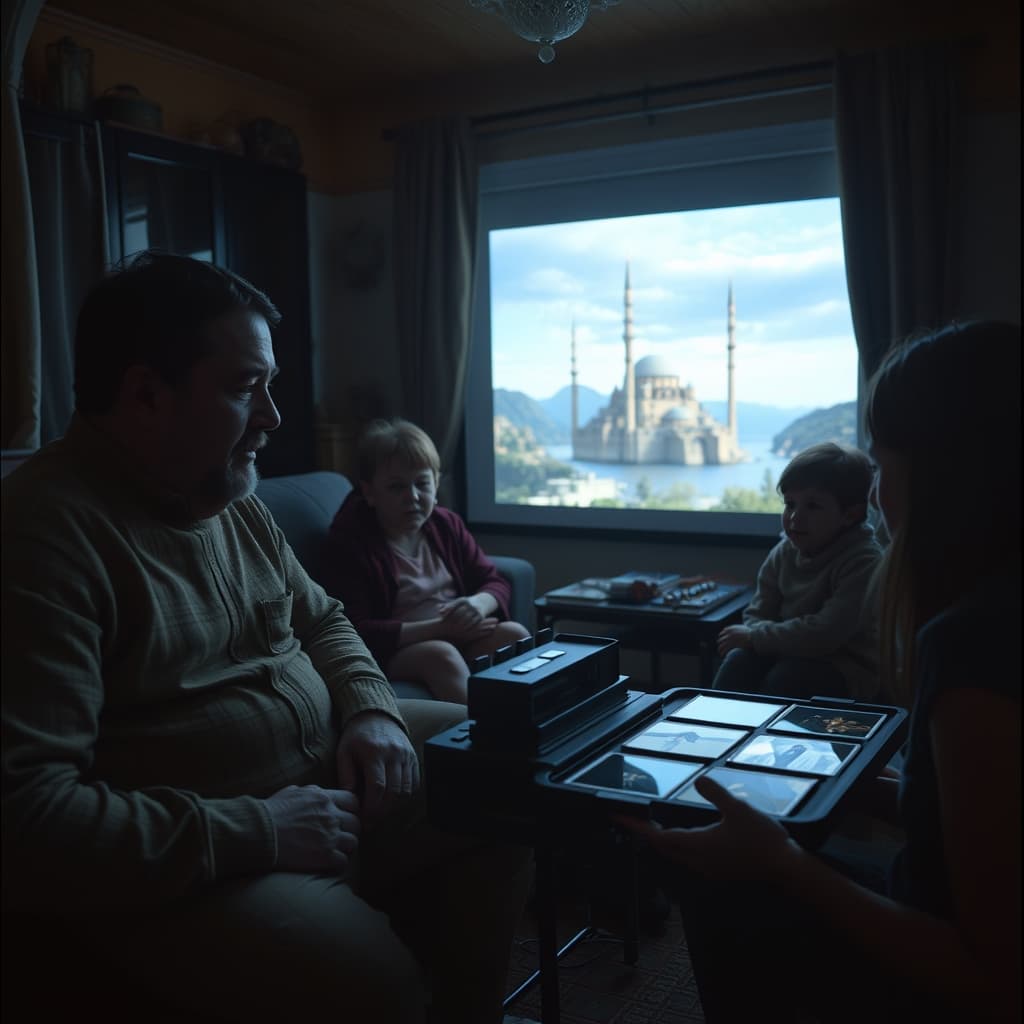
A slide projector turned a wall into a destination one frame at a time. Before viewing, the room was darkened, chairs redirected and a clear surface chosen. Mounted transparencies were placed in a tray or magazine according to the machine's design. The first image rarely appeared perfectly. Someone adjusted distance and focus while others supplied advice from their seats.
Unlike moving film, slides allowed the operator to control duration. A landscape could remain while a journey was explained; a family photograph paused as names were remembered. This freedom made narration central. The projector displayed light and colour, but the people in the room connected separate frames into a story. A reversed or upside-down slide could interrupt that story with laughter and a brief technical correction.
Loading Required Order Before Darkness
Slides needed inspection in light before the room dimmed. Frames were checked for orientation, dust and sequence. Fingerprints on the image area could become large marks on the wall. Numbering or labelled boxes helped preserve order, although later rearrangement was common. The operator learned the tray's movement and avoided forcing a frame that had caught in the mechanism.
The lamp generated heat and had a limited working life. Ventilation openings had to remain clear, and the machine needed a stable surface. Designs varied, so claims about a universal bulb, tray or control would be inaccurate. Shared technical knowledge came from the manual, the seller, an experienced relative or repeated trial: how to focus, when to switch off and how long to let the device cool.
A Pause Between Slides Made Room For Memory
The click between frames divided the evening into small acts. Viewers anticipated the next image but could also return to the previous one if a detail had been missed. Conversation made the pace uneven. The sequence might stall over an unfamiliar person, a changed street or a place no one had visited for years. Such pauses gave the session its value; efficiency was not the purpose.
Repair culture kept projectors working after belts, switches, fans, lamps or advancing mechanisms failed. A technician distinguished electrical faults from mechanical resistance and searched for compatible parts. Not every machine could be saved, and safety mattered around heat and mains electricity. Careful repair extended access to the slides themselves, which otherwise remained small images difficult for a group to share.
Digital photographs now move instantly across bright screens. Slides remain vulnerable to dust, fading, mould and poor storage, and digitisation can protect access when original order and labels are recorded. The slide projector belongs in a Digital Nostalgia Archive because it made memory collaborative. One person loaded and focused, another narrated, others corrected and recognised. The excitement did not come only from analogue novelty; it came from a room waiting together as each small transparency became briefly larger than life.
The screen surface also influenced what viewers saw. A pale wall might reveal texture or furniture shadows, while a portable screen demanded space and careful placement. Improving the image was therefore partly an arrangement of the room, not simply a setting on the projector.