 Eski Pano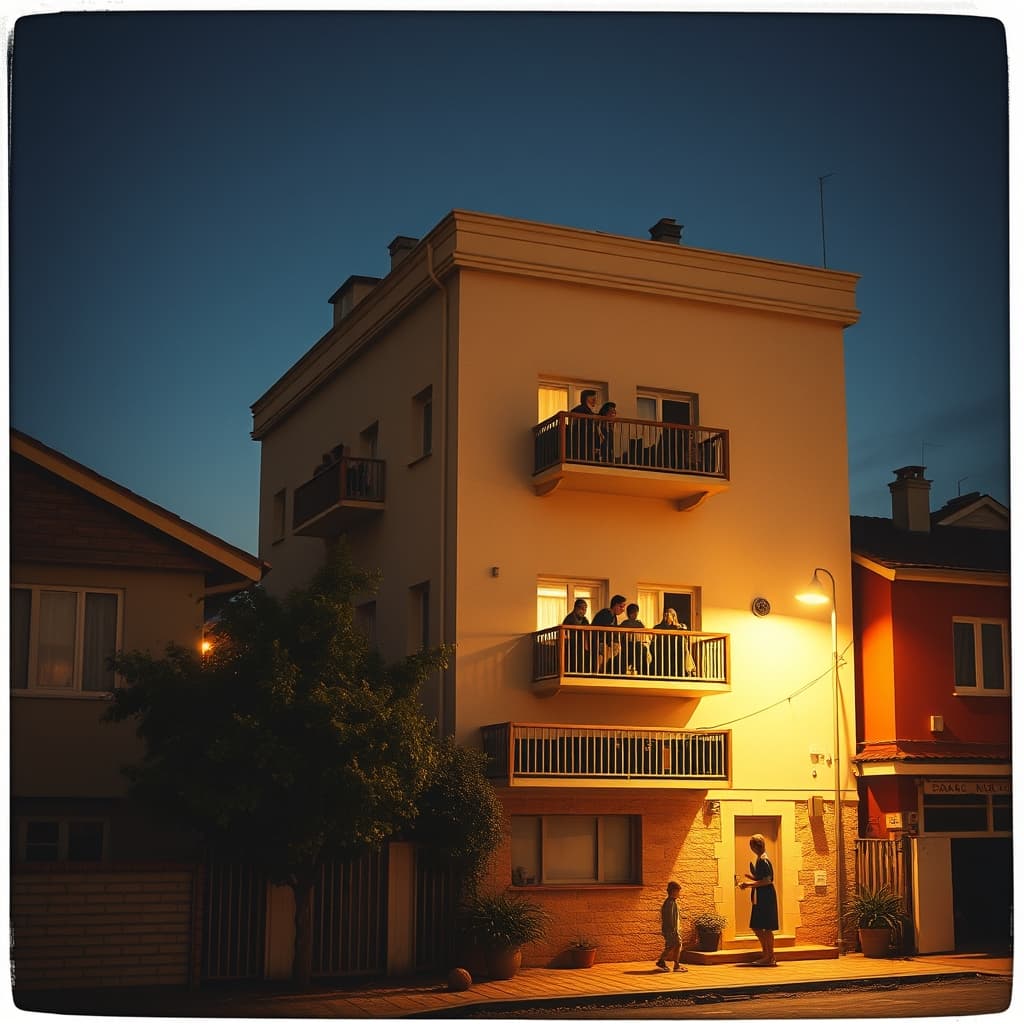
When the first apartment buildings rose among lower houses, change appeared not only in the skyline but in the route from street to home. A gate, shared entrance, stairwell and landing now stood between the pavement and several households. Visitors needed a flat number or a name beside a bell. Children who once crossed directly into a courtyard learned which stairs were common, which doors were private and how sound travelled vertically.
The new form gathered more households on a smaller footprint. This increased encounters at entrances, letterboxes and stairs while reducing some forms of open access. A neighbour could be physically close yet separated by a locked door and another floor. The apartment did not simply destroy older neighbourship or create modern isolation. It reorganised contact, producing new routines, frictions and opportunities according to the building's design and residents.
The Stairwell Became A New Shared Street
Stairs carried evidence of daily movement. School departures, shopping bags, coal or fuel deliveries, furniture, prams and visitors all passed through the same narrow route. Cleaning required an agreement or assigned responsibility. A wet step, broken light or object left on a landing affected everyone. Informal rules emerged about noise, shoes, doors and the hour for moving heavy things.
Sound mapped the building. A door closing above, water pipes, footsteps and a call from the entrance told residents what was happening without a direct view. This awareness could support help—a neighbour noticing illness or an unattended delivery—but also create unwanted scrutiny. Apartment trust depended on balancing attention with privacy, much like older street relations but within closer walls.
Balconies Connected Floors To The Summer Night
Balconies gave apartments an outward edge. On warm evenings, residents sat near open doors, cooled fruit, watered plants or spoke across levels. Street lamps illuminated façades differently from courtyards, and the same night could be shared from separate elevations. Yet balconies varied in size and use; they also exposed laundry, domestic labour and family life to neighbours' eyes.
Ownership and tenancy shaped belonging. Long-term residents might invest in common repairs, while frequent moves made relationships less stable. Meetings over expenses and maintenance created formal neighbourship alongside greetings. Disagreement about payment, children or noise was not proof that community had vanished. It showed that shared life now required negotiation through both personal trust and building rules.
Apartment living has since become ordinary and far more diverse. The first buildings belong in a Digital Nostalgia Archive because they record an urban transition at human scale. Concrete, bells, stairs and balconies altered how people arrived home, heard one another and defined a boundary. The watermelon-cool summer night remembered under street lamps was neither purely old nor new: several households remained connected to the same street while learning to live above, below and beside strangers who might gradually become neighbours.
Addresses themselves changed with the new buildings. Describing a household by a garden gate or family name gradually gave way to street numbers, block names and flat numbers. This administrative precision altered how letters, deliveries and emergency help found their destination.