 Eski Pano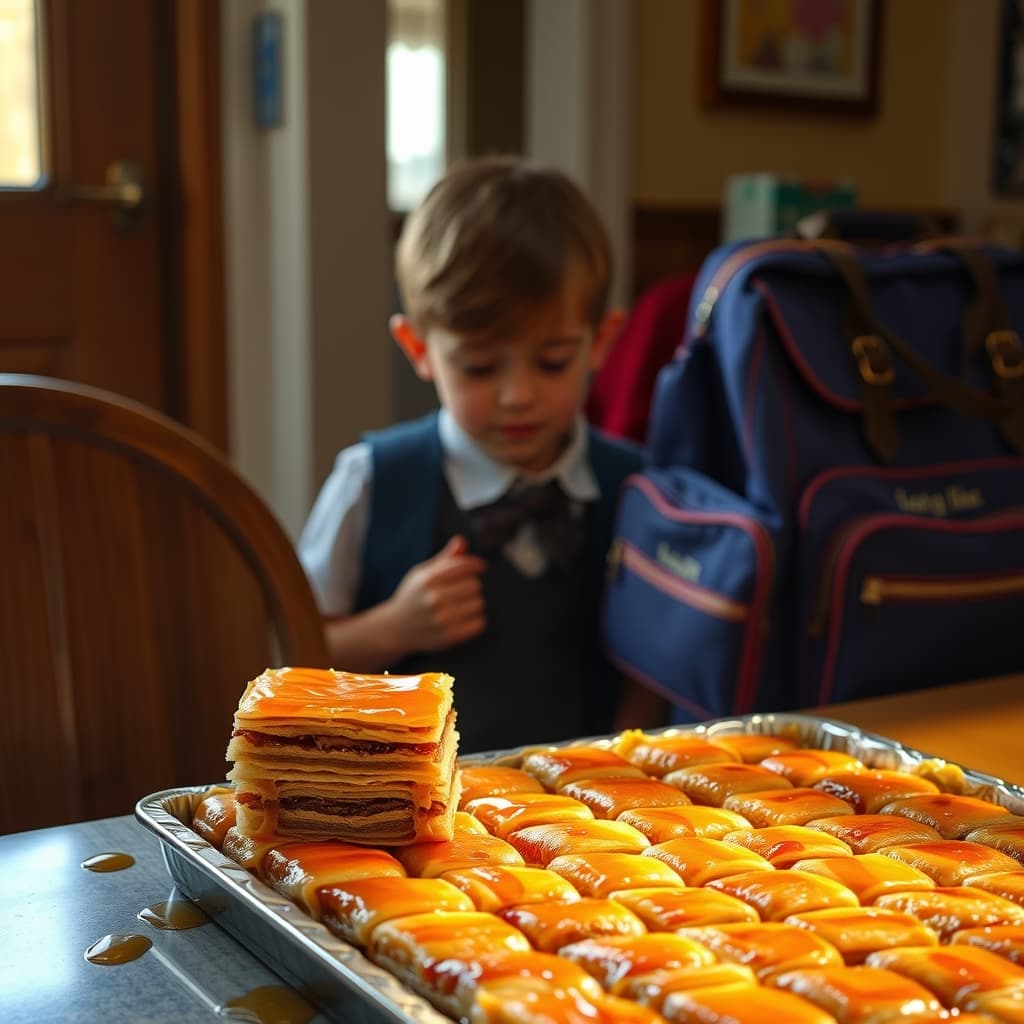
A tray of homemade baklava could wait quietly while a child returned from school carrying the noise of the street and classroom. Its presence was recognised through a covered tray, a sweet buttery aroma or the knowledge that guests and family would share it later. Reaching for the first portion was not always permitted immediately. The pastry needed to cool or absorb syrup, and household rules decided when the tray would be opened.
Homemade baklava contains wide regional and family variation. The number and thinness of layers, type of fat, nut or other filling, cutting pattern and syrup balance all change. No single tray should be declared the only authentic model. What unites many versions is accumulated work: dough prepared and rested, sheets rolled, layers arranged, pieces cut, heat managed and syrup added with attention to temperature.
Thin Layers Made Labour Visible At The Cut Edge
Rolling dough evenly demanded space, flour and practiced pressure. A torn sheet did not always ruin the tray, because careful layering could absorb small imperfections. Filling had to be distributed without preventing the pastry from holding together. Cutting before or after baking depended on method, but clean portions required a sharp tool and awareness of the tray beneath.
Oven heat transformed pale layers into a surface judged through colour and aroma. Syrup then introduced another timing problem. If pastry and syrup met at unsuitable temperatures or proportions, the desired distinction between crisp upper layers and moist sweetness could be lost. Experienced cooks relied on visual, auditory and tactile cues that are difficult to compress into one universal instruction.
The First Portion Belonged To The Household's Order
A schoolchild's eager spoon or fork expressed appetite, but the tray belonged to a social plan. Portions might be reserved for visitors, an older relative or an evening gathering. An adult decided whether an edge piece could be taken early. These rules could feel frustrating, yet they showed that a labour-intensive sweet was allocated carefully rather than treated as an unlimited snack.
Preparation often involved several hands, though responsibility was not always equal. One person opened sheets, another handled nuts or the oven, and someone cleaned the flour spread across the room. Seasonal transitions, visits and special days could increase the meaning of the tray, but baklava was not tied to only one occasion. Remembering pleasure should include the planning, expense and physical effort behind it.
Commercial baklava now offers remarkable skill and convenience, while home preparation continues in different forms. The homemade tray belongs in a Digital Nostalgia Archive because it links taste to waiting. The child returning from school encountered not simply sugar and pastry but a sequence already completed by others. The first portion carried rolled dough, oven judgement, syrup timing and family negotiation. Childhood returns in that bite because appetite met a visible store of household labour.
How the tray was covered also affected expectation. A clean cloth or fitted cover protected it from dust while allowing the household to recognise its outline. The covering delayed sight but not aroma, making restraint part of the sensory experience before anyone lifted the first portion.