Eski Pano
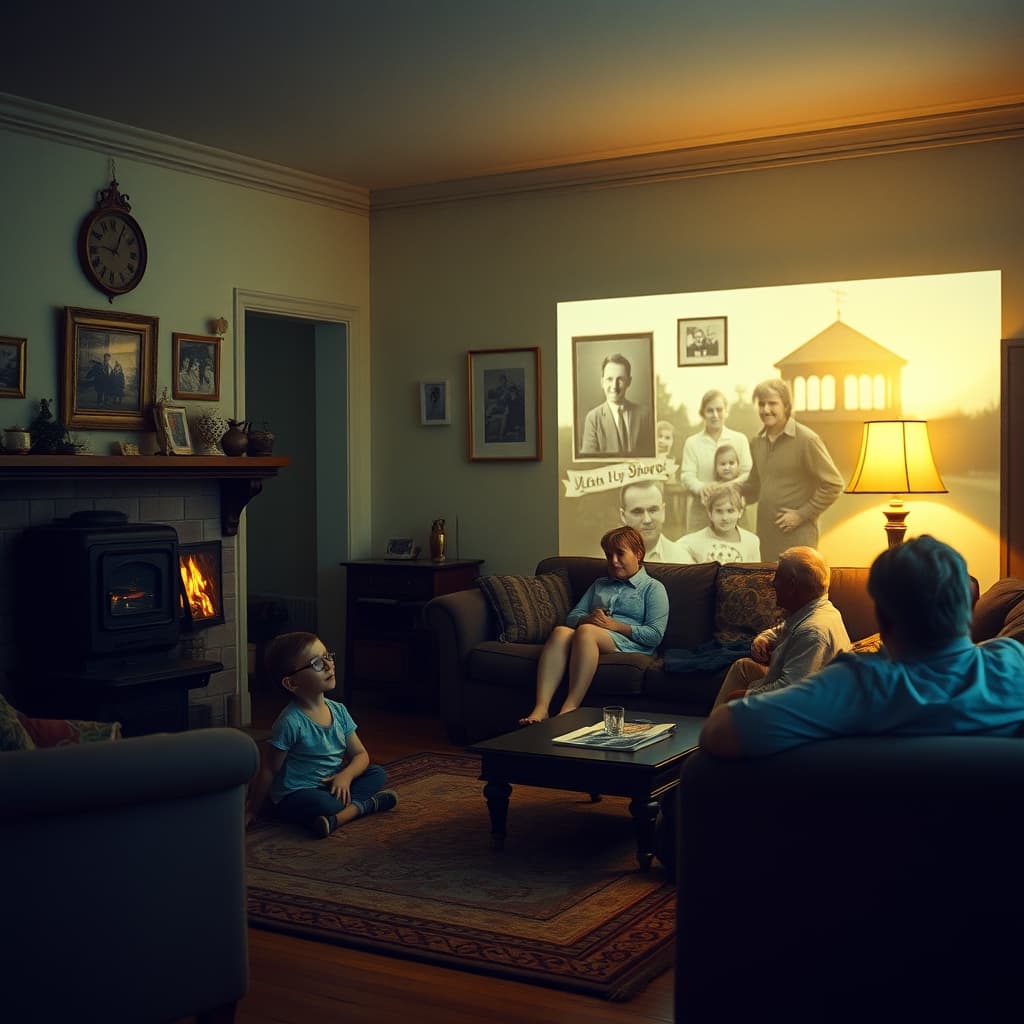
There was a time when certain evenings turned the largest room in the house into a small screening hall. Curtains were drawn, the coffee table shifted slightly aside, a clear patch of wall was chosen with care, and the slide projector was placed gently on the table. While the stove continued to glow, a soft warmth settled through the room, the scent of tangerine peels drifted in a corner, and everyone took a place without speaking too much. That quiet excitement was different from the scattered attention of watching television; here, everyone gathered to look at the same beam of light. Once a slide frame clicked into position and the familiar mechanical sound emerged from the machine, the magic of the analog age began to fall onto the darkened wall in color.
Seen as part of technological heritage, the slide projector was far more than a device that displayed images. It was an object of analog engineering that arranged family memory, made recollection visible, and framed time one image at a time. The circular tray of slides held summer vacations, engagement days, picnics, and school ceremonies preserved inside small cardboard mounts. Unlike a photo album, this machine turned memory into a shared and quietly ceremonial act of viewing. As the light warmed, the faint mechanical hum of the projector sounded almost like the voice of the past itself. Sometimes the image did not come fully into focus, and someone would lean forward to turn the ring, blurring the faces on the wall for a moment before bringing them back again. Even that tiny adjustment revealed how tactile and alive the relationship with household technology once was.
What made those evenings unforgettable was not only the images, but the everyday life that gathered around them. Children searched the slides for their own babyhood, elders began to say, “This was taken that summer,” and the crackle of the stove met the ticking motion of the projector in the same room. If the electricity went out, everyone waited laughing, and when the curtain opened slightly, light from a neighbor’s window slipped inside. For that reason, the slide projector was more than a consumer object; it became a tool that shaped the family’s way of remembering together. Each projected frame brought back not only an image, but the smell, conversation, and season of the day it had captured. The old melody that lingered in memory survived not just in the ear, but within the light cast onto the wall.
Today, in the endless flow of digital screens, the value of that ceremonial way of looking becomes clearer. Thousands of photographs can be stored in a phone gallery, yet none are usually viewed with the same intensity as a family gathered in the living room sharing one beam of light. The slide projector reminds us that the thrill of the analog age lay not only in novelty, but in slowness, preparation, and the culture of looking together. The first click awaited in the silence by the stove also tells us how carefully domestic life was once arranged. That is why the slide projector stands now as far more than an outdated machine: it remains an elegant witness to how one generation watched its memories, preserved time, and shared quiet excitement inside the home.
The Quiet Excitement of Families Gathered in the Living Room and the Slide Projector: Telling the Unforgotten Thrill of the Analog Age with an Old Melody Lingering in the Silence by the Stove