 Eski Pano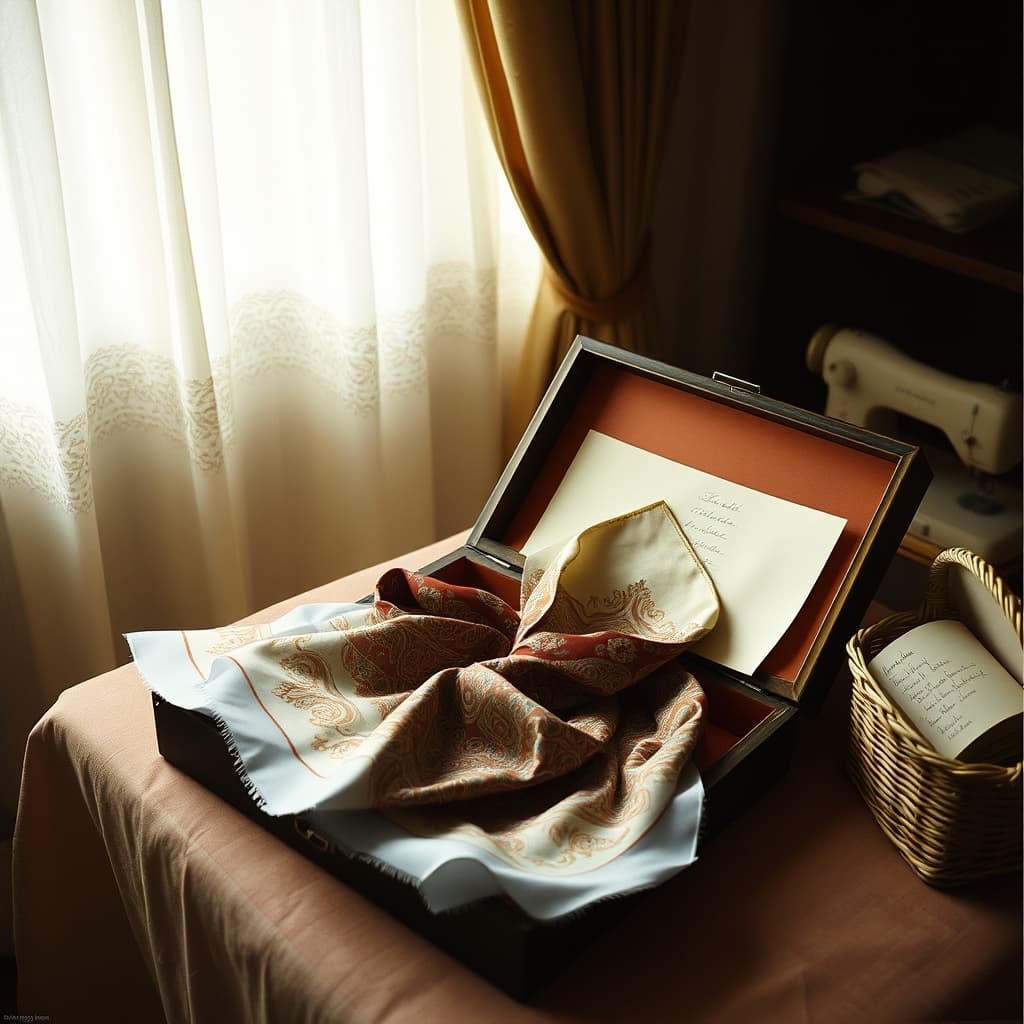
A silk scarf box in a trousseau room held more than folded cloth. Its lid might be opened for visitors, then closed again while the household waited for a wedding date, a suitable occasion, or a future home. Tissue paper, ribbon, and the faint sheen of textile made anticipation tangible. Yet the box was also practical protection, keeping a delicate object together with the name, shop, or giver attached to it.
Trousseau practices varied by region, class, generation, and family. Some collections were assembled over years; others were modest or symbolic. Items could be handmade, purchased, inherited, or received as gifts. Marriage was not experienced equally, and the language of romantic waiting can conceal financial pressure, gendered labour, or limited choice. A responsible archive records affection without presenting one custom as universal or compulsory.
The Scarf Carried Skilled Work
Silk begins with fibre production and continues through reeling, spinning or throwing, weaving, dyeing, printing, finishing, hemming, and retail presentation. A scarf may combine industrial manufacture with hand-rolled edges or artisan printing. Labels, fibre analysis, weave structure, and close examination can clarify technique. Shine alone does not prove silk; rayon, acetate, polyester, and blends can imitate aspects of its appearance.
Motifs and colours might follow fashion, local taste, export markets, or a particular maker. Floral borders, geometric repeats, and printed signatures can support identification, but designs are copied and reissued. The most reliable history joins physical evidence with receipts, catalogues, dated photographs, shop packaging, and testimony. A remembered brand name should be recorded as a lead rather than converted into certainty.
The Box Organised Expectation
In the trousseau room, objects were folded, counted, shown, and discussed. Mothers, daughters, relatives, neighbours, embroiderers, and shopkeepers all contributed labour and advice, though their influence differed. Lists could express care and preparedness while also measuring a family against social expectations. The scarf box became a small unit in this larger economy of reputation, exchange, and imagined domestic life.
The scarf might eventually be worn at a ceremony, kept unworn, passed to another relative, or sold during hardship. An unused textile is not without history. Creases, tissue, a gift note, and repeated handling reveal how it was valued. Conversely, makeup marks, repaired hems, perfume, and sun fading document active use. Preservation should not rank untouched objects above those that participated in life.
Delicate Fibres Need Quiet Care
Silk can weaken through light, heat, moisture, pollutants, pests, and acidic packaging. Long storage in a tight fold can produce stress lines. A clean, stable, dark environment with acid-free tissue and gentle support is generally preferable. Adhesive tape, mothballs, perfume, and direct ironing can cause lasting damage. Cleaning historic silk is a conservation question, not an ordinary laundry task.
The original box may also be historically important, even if acidic. It can be stored separately or buffered with archival materials rather than discarded. Photographs should capture the arrangement before anything is moved. Notes should identify who assembled the trousseau, who gave the scarf, whether it was worn, and what uncertainty remains. Private marriage stories require consent.
A Digital Nostalgia Archive can connect the scarf, box, label, receipt, trousseau list, wedding photograph, and voices of the people who prepared the room. The object endures because craft and expectation met inside a small container. Preserving it well means recognising both the beauty of the textile and the complicated social future that families once folded around it.