Eski Pano
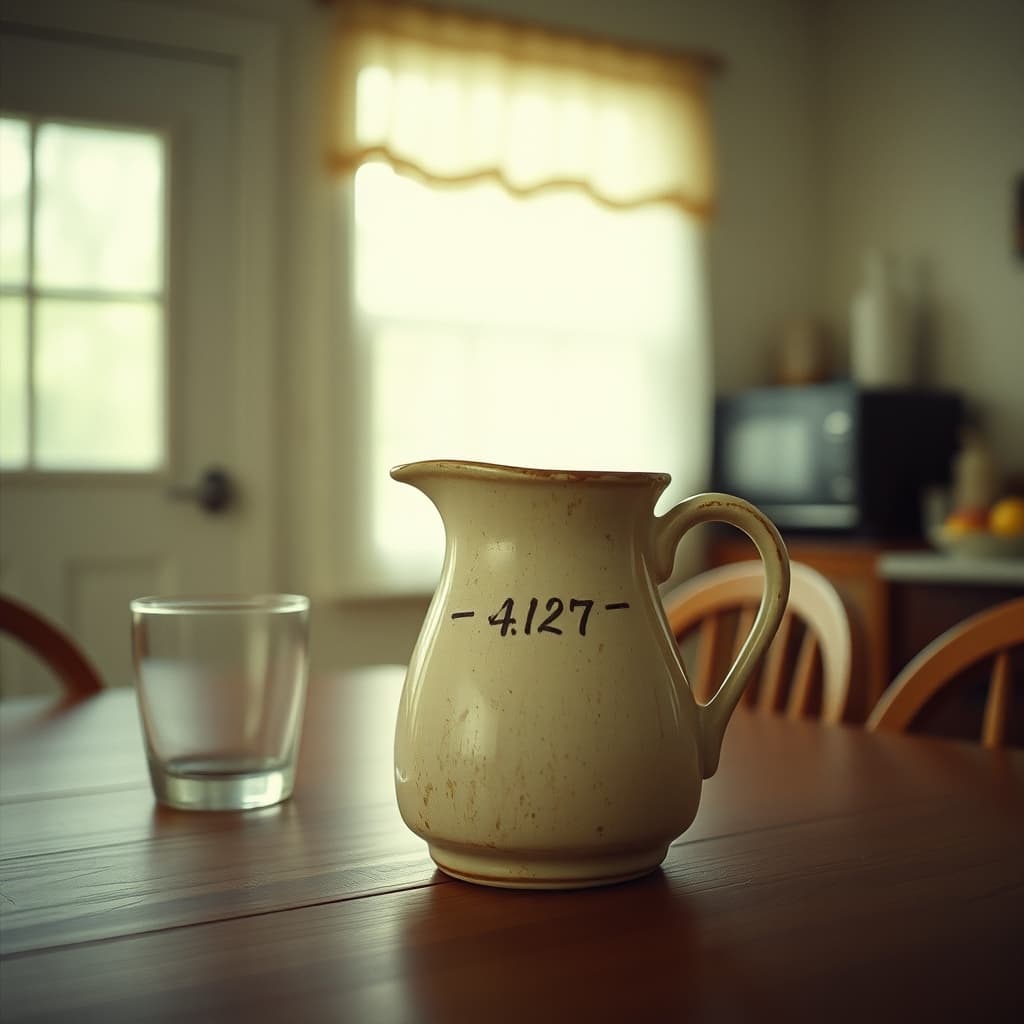
There was a time when the most frequently used objects in a home were also the least discussed. The ceramic pitcher was exactly such an object. It did not sit at the ceremonial center of the table, nor was it usually displayed with pride, yet it kept water cool, carried ayran, brought lemonade to the meal, and waited within reach in a corner of the kitchen throughout the day. The trace it left unseen within everyday use is deep for precisely that reason. A child may not notice such an object at the time, yet years later, at the sight of a similar pitcher, an entire kitchen memory suddenly lights up. A fine crack at the rim, wear along the handle, the glazed surface turning matte in one place and reflective in another become small signs preserving the repeated movements of a household. The reason a ceramic pitcher shines at once in the eyes of nostalgia lovers is not only that it is beautiful, but that it quietly carries lived time.
Within the stories of objects, the ceramic pitcher holds a special place because it belongs to a period when design and use were not separated from one another. A body that felt neither too light nor too heavy in the hand, a lip shaped to pour without spilling, and a surface often painted by hand or kept in a restrained color all show how beauty and utility once met at the same table. Yet what truly gives the object value is the invisible polish left on it by repeated use. Well water poured in during summer, ayran carried quickly to the table, compote served more carefully when guests arrived, all of this gathers inside the memory of the pitcher. Even when it was not yet a collectible kept in a cabinet, it slowly gathered enough character to become one. Use does not always wear objects down; sometimes it grants them meaning.
The enduring appeal of the ceramic pitcher also comes from the way it makes domestic rhythms visible. Water placed on the breakfast table, coolness waiting on the kitchen counter at noon, and a drink shared evenly into everyone’s glass at dinner are all small orders arranged around a single vessel. No one in the house spent long thinking about it, yet it quietly organized habits within the family. A child learned to pour water from it, an elder used it to complete a guest’s glass, and the movement of the kitchen revealed itself as it passed from hand to hand. When such a pitcher later appears on an antique shelf or in an old photograph, what moves us is exactly that: elegance hidden inside ordinariness. The ceramic pitcher is a modest proof that daily life was never devoid of aesthetic grace.
It is therefore no accident that nostalgia lovers are immediately struck by a ceramic pitcher today. Modern life has often turned practical objects into similar, memoryless things. Yet when one looks at an old pitcher, one sees more than form. One sees table order, kitchen light, summer coolness, and handcraft. The small imperfections do not diminish it; they transform it into a witness to an earlier domestic life. Perhaps that is why ceramic pitchers glow again now. They tell us that the things leaving traces unnoticed in daily use may in fact constitute the most lasting aesthetic heritage. Waiting quietly in a kitchen corner, such an object suddenly catches the light for a remembering eye, because within it there once rested not only water, but the warmth of a home accumulated through years of habit.
The Ceramic Pitcher and the Trace It Left Unseen Within Everyday Use: Why Does It Shine at Once in the Eyes of Nostalgia Lovers?