Eski Pano
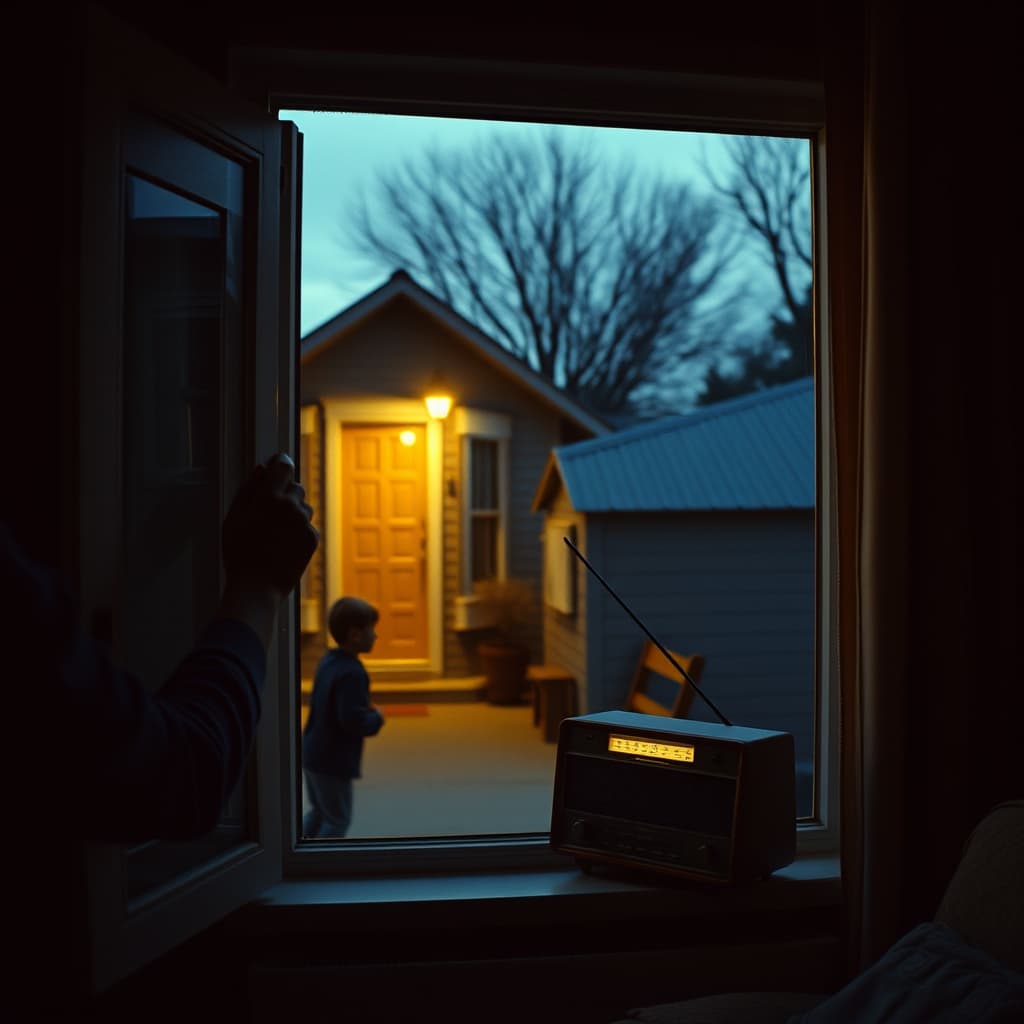
There was a time when music or sound did not arrive perfectly the moment a button was pressed. Toward late afternoon, a slight stir would begin inside the home. The radio-like box was moved into place, a table near the window was chosen, and the thin metal antenna was slowly raised. Then someone carefully brought fingers to the antenna or tuning dial and tried to catch a cleaner sound through the static. At that moment everyone in the room held their breath a little, as if waiting not only for the device, but for the day itself to become clearer. In those old moments we remember as music box days, hope was not visible, yet it could be heard. As the sound sharpened, the atmosphere of the evening gathered itself, and the expectancy settling in the room gave way to familiar ease. Part of the reason this habit was never forgotten lies in the emotional meaning of that small technical effort.
From the viewpoint of technological heritage, turning the antenna was never merely an adjustment. It was the language of the analog world, a world that demanded patience. It did not offer the invisible convenience of today’s devices; instead, it made people partners in its own functioning. Static, interruption, a sudden burst of strong sound, and then a fading signal again all suggested that technology was not a sealed box but a living thing to be managed together. For children, the antenna was almost magical. A sound changing when it moved only a few centimeters to the right or left proved that invisible waves were truly passing through the air. For adults, this was partly skill and partly habit. At what hour the sound was better by which window, in which room a lamp increased interference, or how a neighbor’s television could disturb reception all became forms of daily knowledge. Technology here did not feel cold; it felt domesticated.
The reason this habit is remembered together with childhood lies in the quiet connection it formed with the evening street. When the streetlamp came on, play was almost over. Before going inside, a child would cast one last glance at the pavement, hear familiar music drifting from an upstairs window, or find that same sound waiting indoors. The broadcast growing clearer as the antenna turned was like a sign that gathered the scattered parts of the day. Perhaps the news would begin, perhaps a beloved song would come on, perhaps a program listened to as a family would settle into the room. That waiting felt like standing at the edge of childhood under a streetlamp, not yet fully enclosed by the house, yet already drawing the day inside. For this reason, the music box was more than a device producing sound; it carried the domestic rhythm established with evening itself.
Looking back now, it is easier to see why that static-filled effort was never forgotten. The matter was not simply technical difficulty, but hope made tangible. With a few small movements, people felt they could bring the world a little closer. Once the sound cleared, the faces in the room softened. Someone stirred tea, someone leaned back into a chair, and a child felt proud as if a success had been won. Today, in an age of flawless connections, we receive perfect sound, yet in those days even a few seconds of clarity created a shared joy. That is why the days of the music box endure. The hands touching the antenna were not merely tuning a frequency; they were also adjusting hope inside the home, and the childhood waiting beneath the streetlamp kept those small technical victories for a lifetime.
Music Box Days: Why Was a Habit That Grew with Hope Becoming Clearer as the Antenna Was Turned Never Forgotten, Like Waiting at the Edge of Childhood Under a Streetlamp?