Eski Pano
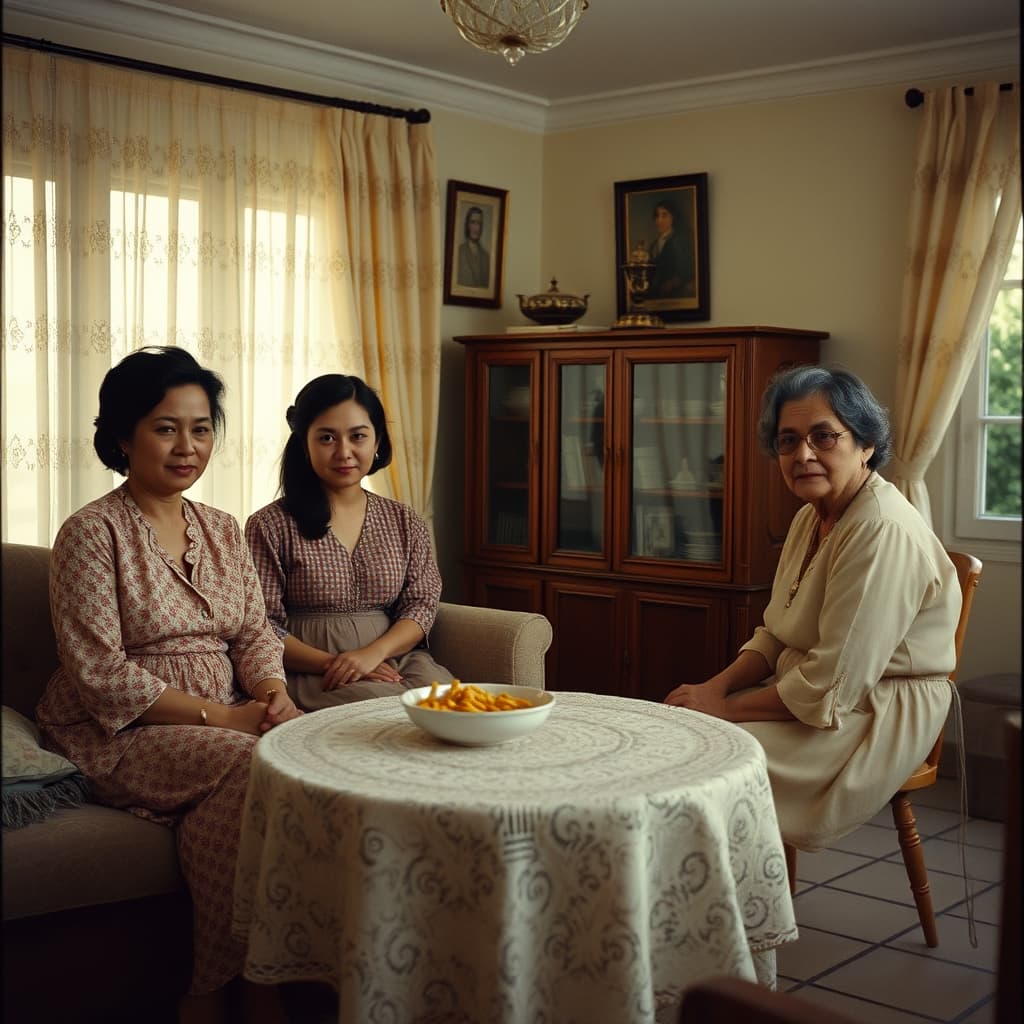
There was a time when taking a family photograph was not a quick gesture of pressing a button and moving on. It required a small preparation inside the home, almost a ceremonial waiting. Curtains were adjusted, the best cover was chosen for the sofa, children's hair was combed, and the collars of jackets were checked one last time. Then everyone gathered in the living room, the camera was placed with care, and the small explosion of the flashbulb was awaited with mild unease. In that moment, the quiet excitement inside the room merged with the summer coolness drifting in through the windows. The life moving slowly along stone pavements outside and the curiosity of technology inside the house met in the same scene. That so much preparation stood behind a single frame shows not only the technical limits of the analog era, but the value once given to preserving a memory.
Seen through the lens of technological heritage, the flashbulb was not just an accessory but a sign of the careful, admiring relationship daily life formed with technology. Flash bulbs were single-use, fitted with care, angled correctly, and only after everyone silently agreed that they were ready did the shutter come down. That small mechanical arrangement brought an artificial daylight into a dim living room and made visible the technical intervention that allowed the photograph to exist. The importance given to family photography in old magazines, studio windows, and period advertisements shows how such devices were understood as part of domestic modernity. Taking a photograph at home meant not only recording an image, but presenting the family as orderly, composed, and worthy of being left to the future.
The ceremonial feeling was strongest in the details before the exposure. Someone shifted the coffee table a little, someone straightened the lace cloth, and the youngest child was warned not to move. The person operating the camera was usually the one in the family considered most comfortable with technical matters, perhaps the father, perhaps an uncle, sometimes a neighbor known for understanding such devices. The care felt while attaching the bulb, the hesitation around touching it after it had heated up, and the effort not to waste film all reveal the material and emotional value that the analog age placed on each frame. Outside, meanwhile, the summer evening continued in its own rhythm: slippered footsteps echoing on stone, a radio melody arriving from afar, conversations falling from balconies into the street. The flash inside the room mixed with the calm of the neighborhood night like a brief technological star.
One reason the flashbulb is remembered as a ceremony is that photography was experienced as a process more than as an instant result. Unlike today, when an image appears immediately on a screen, no one then knew the outcome at once. Had everyone looked right, had someone blinked, had a child moved, these things were only understood days later when the film was developed. That delay made the act of taking the picture more serious, more attentive, and more meaningful. In the second the shutter was pressed, people were trying to preserve not only their appearances, but their state of being together. That is why the quiet excitement of families assembled in the living room came not only from the burst of light, but from a visible desire to hold memory in place.
When we think of the flashbulb today, it recalls not merely an old technology but a culture of memory built on patience and care. The way the silence along stone pavements on a summer evening merged with the preparation inside the house shows how technology once entered life more slowly but more deeply. Every photograph was materially limited, yet emotionally expansive. That is why old family portraits reveal not only faces, but the waiting, order, seriousness, and small joy behind those faces. If the flashbulb is still remembered like a ceremony, it is because in those years technology and memory touched one another with greater deliberation.
Why Using a Flashbulb Camera Amid the Quiet Excitement of Families Gathered in the Living Room Was a Ceremony in Itself, Blending into a Silent Summer Evening Along the Stone Pavements