 Eski Pano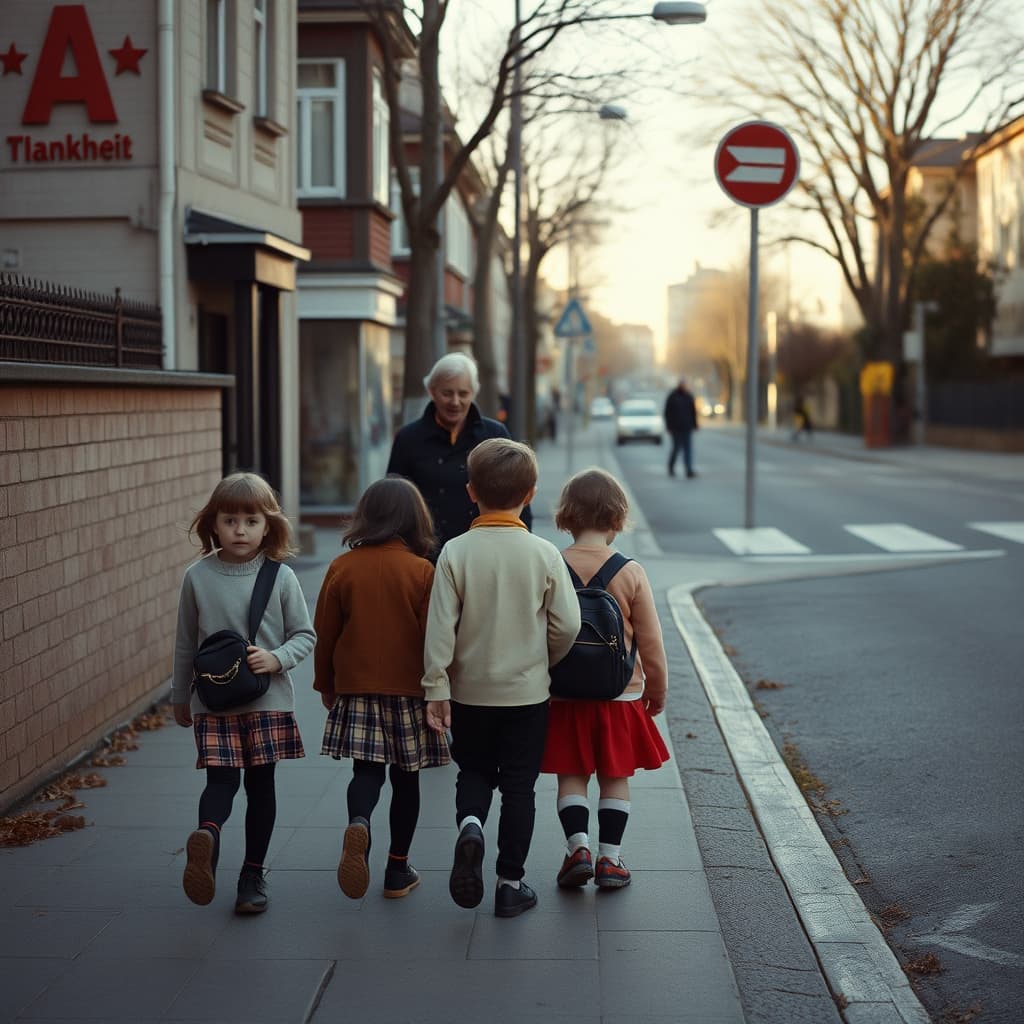
A photograph of children walking to school together can suggest freedom, friendship and a neighbourhood that watched the pavement. It cannot prove that every child felt safe or that the route would be suitable now. Traffic volume, road design, school hours, weather and family circumstances change. A useful archive therefore separates the remembered social rhythm from a present-day safety plan. Nostalgia can begin the conversation, but observation must decide the route.
Start by asking former pupils to draw their journeys independently. Mark homes only at a broad historical level, then compare crossing places, steep sections, vacant plots, workshops, fountains, shops and seasonal hazards. Differences are evidence rather than errors. A child who joined halfway experienced another route; a girl avoiding a corner may reveal harassment that a classmate never noticed. Record the date of each account and do not turn one confident memory into a universal map.
Walk the Route at the Relevant Time
A current plan needs an adult survey at the same weekday and time children would travel. Note pavement continuity, vehicle speed, sight lines, controlled crossings, driveways, construction, stray animals, lighting, winter darkness and places where a group must narrow. Check both directions because the afternoon can differ from the morning. Official road guidance and the school or local authority should inform decisions; an old shortcut is not automatically a permitted or accessible path.
Choose meeting points where children can wait away from moving traffic and where a late arrival does not pressure the group into a dangerous crossing. Decide how long the group waits, who contacts a parent and what happens if a child misses the meeting. Shops and familiar neighbours may be useful landmarks, but they should never be assigned responsibility without agreement. A public place is not the same as supervised care.
Supervision Depends on Children and Conditions
There is no single age at which every child can walk independently. Maturity, disability, road complexity, local rules and family judgment matter. A group may need trained adult supervision, a rotating parent arrangement approved by participants, or a formal walking-bus scheme. Roles should be clear: who leads, who stays at the rear, who carries emergency contacts and who confirms handover at school. Adults also require safe recruitment and safeguarding practices.
Teach behaviour through the actual route rather than slogans alone. Practise stopping at the kerb, looking and listening, making eye contact with drivers where possible and crossing only when the whole group can do so safely. Phones and headphones should not divide attention. Bright or reflective items can improve visibility where appropriate, but they do not replace safe crossings, speed control and attentive road users.
Inclusion Changes the Map
A route that works for confident walkers may exclude a child using mobility equipment, a younger sibling, someone with sensory needs or a pupil who cannot manage a steep hill. Ask families what support is needed without demanding private medical details. Allow more time, identify rest points and provide an alternative when surfaces, crowds or weather create barriers. Inclusion is not an addition after the route is chosen; it is part of choosing it.
Bullying and unwanted attention also belong in safety planning. Children need named adults and a simple way to report discomfort without being blamed for delaying the group. Agree safe public places where help can be requested. Plans for separation, illness, severe weather or an unexpected road closure should be rehearsed. Emergency information must be accessible to responsible adults but not displayed on a public route sheet.
Preserve the Memory Without Publishing a Child’s Routine
An archive may show an approximate historical line or describe a meeting at “the neighbourhood fountain.” It should avoid publishing current children’s exact addresses, daily times, identifying school patterns or unredacted contact lists. Obtain permission for photographs and testimonies, especially where minors are identifiable. Historic images can also contain sensitive information; age does not eliminate dignity or privacy.
When presenting the story, include both pleasure and friction: the friend who waited, the puddle that blocked the pavement, the crossing feared in winter and the adult who sometimes accompanied the youngest. This makes the record more truthful and more useful. It also prevents a nostalgic image from becoming an argument that school transport, accessibility measures or adult protection are unnecessary.
Walking together can still support conversation, confidence and familiarity with a neighbourhood. Its benefits are strongest when families, children, schools and road authorities treat safety as shared work rather than inherited custom. A Digital Nostalgia Archive can preserve how the old group formed while helping readers ask a present-tense question: what conditions would allow every child on this route to arrive safely, comfortably and with their privacy intact?