 Eski Pano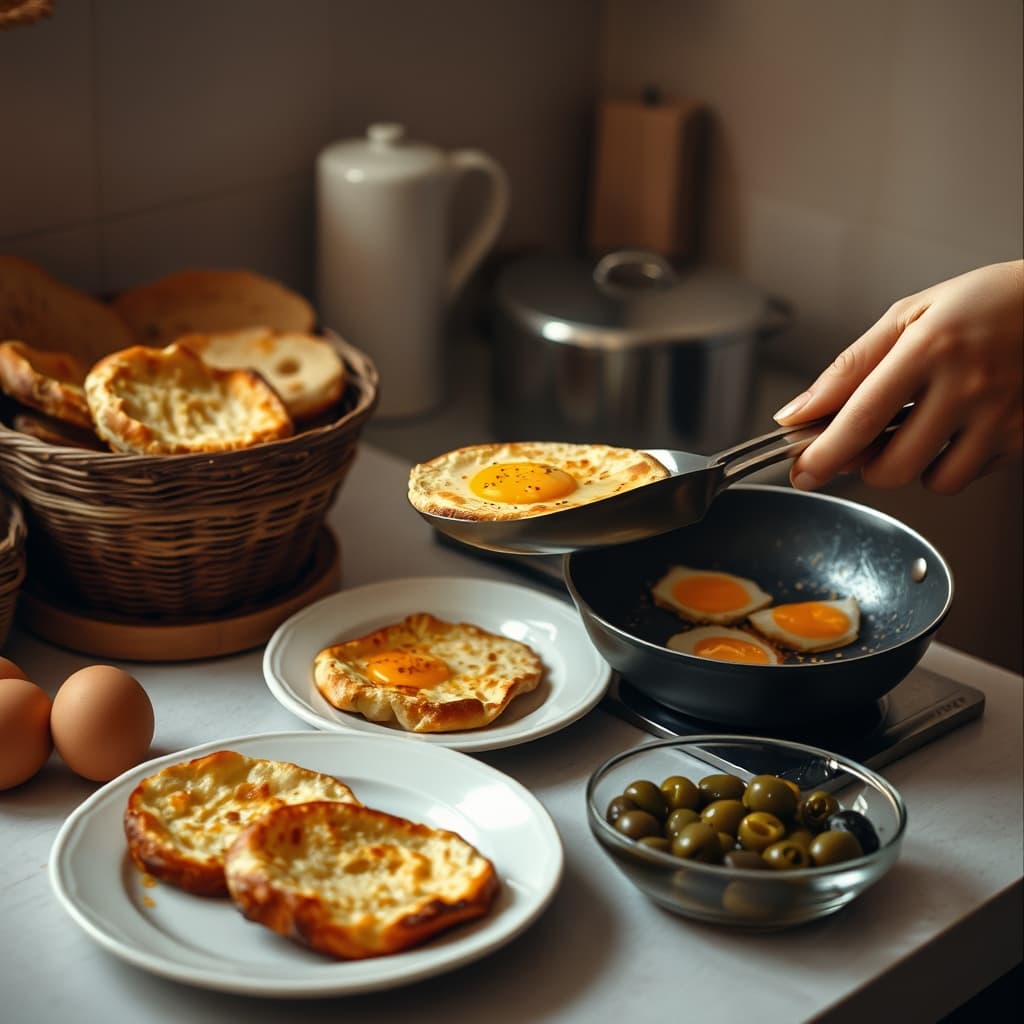
Eggy bread at sahur belongs to a practical kitchen tradition: yesterday’s loaf could become a warm, filling dish before the day’s fast. Similar slices might appear after school in another season, but the late-night meal had its own pace. Sleepy preparation, a quiet household and the need to serve promptly shaped the memory. Preserving that scene responsibly means distinguishing economical stale bread from unsafe food and family custom from universal health advice.
This is not a single definitive recipe. Families used different breads, egg mixtures, fats, seasonings and accompaniments. Record the version as testimony: who prepared it, what the family called it, how thick the slices were and what appeared beside them. Do not “correct” a recollection to match a modern internet recipe. At the same time, an archival account should not repeat a hazardous practice simply because it was familiar.
Stale Is Not the Same as Mouldy
Bread that has dried through normal storage may be useful because it absorbs egg without collapsing. Mould is different. Discard bread with visible growth, suspicious coloured spots, an unusual musty smell or contamination; do not cut away one patch and use the rest. Mould can extend beyond the visible area. If the condition is uncertain, replace the loaf. Nostalgia does not make questionable ingredients safe.
Check eggs before beginning and follow the storage and date guidance that applies where they were purchased. Keep raw egg and its utensils away from ready-to-eat foods. Wash hands after handling shells or raw mixture, clean contaminated surfaces and do not taste the uncooked coating. A cracked shell, strange odour or egg left under unsafe conditions is a reason to stop, not an archival detail to reenact.
Moderate Heat Gives the Centre Time to Cook
A pan that is excessively hot can darken the outside before the egg in a thick slice is cooked. Work with controlled heat and enough space to turn each piece safely. The egg coating should be cooked through according to current food-safety guidance; people at greater risk from foodborne illness may need particular care. A food authority’s local advice takes precedence over a remembered colour or timing.
Keep pan handles turned away from the edge and never leave heating fat unattended. Water near hot oil can spit. If fat smokes or a fire starts, turn off heat only if it is safe, cover the pan with a suitable lid and follow fire-service guidance; never pour water onto an oil fire. Children can help with cold preparation under supervision, but the stove and hot plate require a capable adult.
A Family Dish Can Contain Several Allergens
Egg is an obvious allergen, and bread commonly contains wheat or gluten; milk may be added, and accompaniments can introduce further allergens. Ask rather than assume, prevent cross-contact and use suitable separate ingredients and utensils when required. A substitution changes texture and cooking behaviour, so it should be described as a family adaptation, not promised as identical.
Serve cooked slices promptly on clean plates. Do not return cooked food to a plate that held raw egg. If several batches are made, keep finished food at a safe temperature under current guidance rather than leaving it for the household to wake gradually. Tea, cheese, olives or preserves may belong to the remembered table, but hydration and nutritional needs vary. The archive can describe a meal without giving medical advice about fasting.
Leftovers Need a Decision, Not Guesswork
Cook only the amount likely to be eaten when possible. Perishable leftovers should not remain for hours at room temperature. Cool and refrigerate them promptly within the limits advised by the relevant food authority, store in a clean covered container and note when they were made. Reheat thoroughly and only as appropriate; discard food when time, temperature or storage history is uncertain. Texture may soften, but safety is the first criterion.
Documentation can preserve the kitchen sequence without staging risky food. Photograph the loaf before preparation, the family pan, a safely cooked serving and the table setting. Keep raw and finished food images clearly identified. Record whether the scene was reconstructed, and do not imply that a modern photograph is an untouched historic moment. Names, recipes and table arrangements may be personal, so ask permission before publication.
The most revealing details are often modest: the knife used to divide slices, the order in which people woke, or the plate covered to keep one portion warm. These details show adaptation to time, appetite and available food. They should be collected alongside safe contemporary notes, not replaced by generic praise about togetherness.
A Digital Nostalgia Archive can honour eggy bread at sahur as skillful household economy while refusing the false choice between memory and care. The dry loaf can be understood, the family variation credited and the night-time rhythm preserved. With sound ingredient checks, clean handling, controlled heat and responsible leftovers, the remembered dish remains a cultural record that readers can approach without turning yesterday’s shortcuts into today’s instructions.