Eski Pano
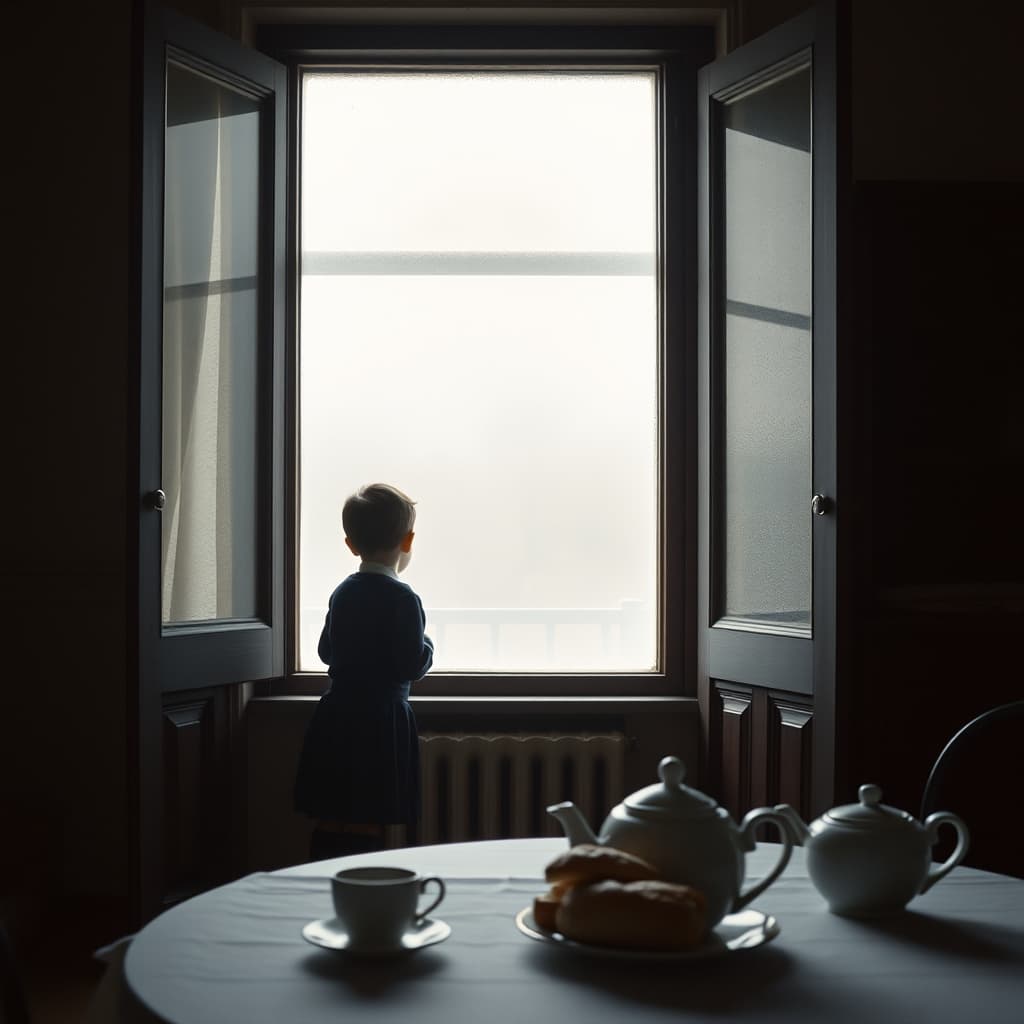
There are certain mornings that fill the heart with a familiar hurry before the sun has fully risen. In the life of the old city, school mornings carried exactly that kind of warmth and weight. The remaining heat of the stove, the sound of polished shoes brushing along the corridor, the crisp cloth of a freshly ironed school uniform, and the smell of tea and toasted bread coming from the kitchen established an order before the day had truly begun. Children hurried through combing their hair, mothers straightened collars, fathers went to the window to read the weather. What made them open the window was not only the fog gathered on the glass. It was the desire to hear the street, to know whether the minibus had passed, to catch the cry of the simit seller, and to sense what face the day would wear. The trace left in urban memory began exactly there, on that threshold where the house met the street.
Seen in the path of time, the school uniform was not merely clothing but a discipline of shared hope. Children stepping out from different homes in the same fabric connected distant neighborhoods of the city through an invisible line. Some came from apartment blocks, some from courtyard houses, some from old wooden homes at the turn of narrow streets, yet they all belonged to a similar morning rhythm. It was no accident that old newspaper reports on the opening of the school year spoke so often of order, promise, and the future. School represented not only education, but also a form of civic self-training. Windows opening, curtains parting, children joining the street at the same hour: these became repeating scenes in the city's own memory. That is why those mornings were social as much as personal.
The true depth of those mornings that made people open the window was hidden in ordinary details. The click of a schoolbag clasp, transparent covers wrapped around notebooks, a handkerchief tucked into the pocket of a uniform, mothers calling out not to catch cold, the school service or neighborhood dolmus appearing at the corner. As these moments wove childhood memory for a generation, they also gave rhythm to urban life. The street even smelled different at that hour. Morning chill mixed with coal smoke, fresh bread, and damp paving stones. When a child leaned out of the window, they did not breathe only the air. They breathed in the whole awakening of the city. That is why so many people, when they think of their old school days, first remember fogged windows, the edge of the sill, and the footsteps dissolving into the street. Memory lasts because of such repeated small scenes rather than major events.
The idea that school uniforms carried the same dream also came from a shared sense of future. The cloth might wear thin, collars might be washed by hand, shoes might pass down from one sibling to another, yet the seriousness of the morning gave everyone a similar hope. Breakfast made from bread fresh from the neighborhood bakery, milk drunk in haste, homework checked one final time, and then the front door closing behind the child as they stepped onto the street: all of it felt like a small but determined investment in tomorrow. That is why these mornings stayed warm in urban memory. The school morning was a stage not only for children, but for families as well. A mother looked once more from the window, a father checked the time, and as the child descended the stairs, the city's idea of its own future seemed to descend with them.
Today many of those mornings have changed shape. Uniforms may have disappeared, street sounds may have grown thinner, and windows may stay shut more often. Yet what still warms a generation's heart is the same thing: the security of preparing for the day together. If those window-opening mornings left such a deep mark on urban memory, it is because the road to school was never only a route. It was the ceremonial beginning of common life. In those scenes, the city was made not only of buildings and avenues, but of ironing steam, misted glass, the call of the simit seller, and children's quick steps. That is what still sends a quiet shiver through anyone looking back. Old school mornings were not just memories of education. They were the hours when a city knew how to hope.
On the Mornings When School Uniforms Carried the Same Dream in Days That Warmed a Generation's Heart: How Did the Mornings That Made Us Open the Window Leave Such a Deep Mark on Urban Memory?