 Eski Pano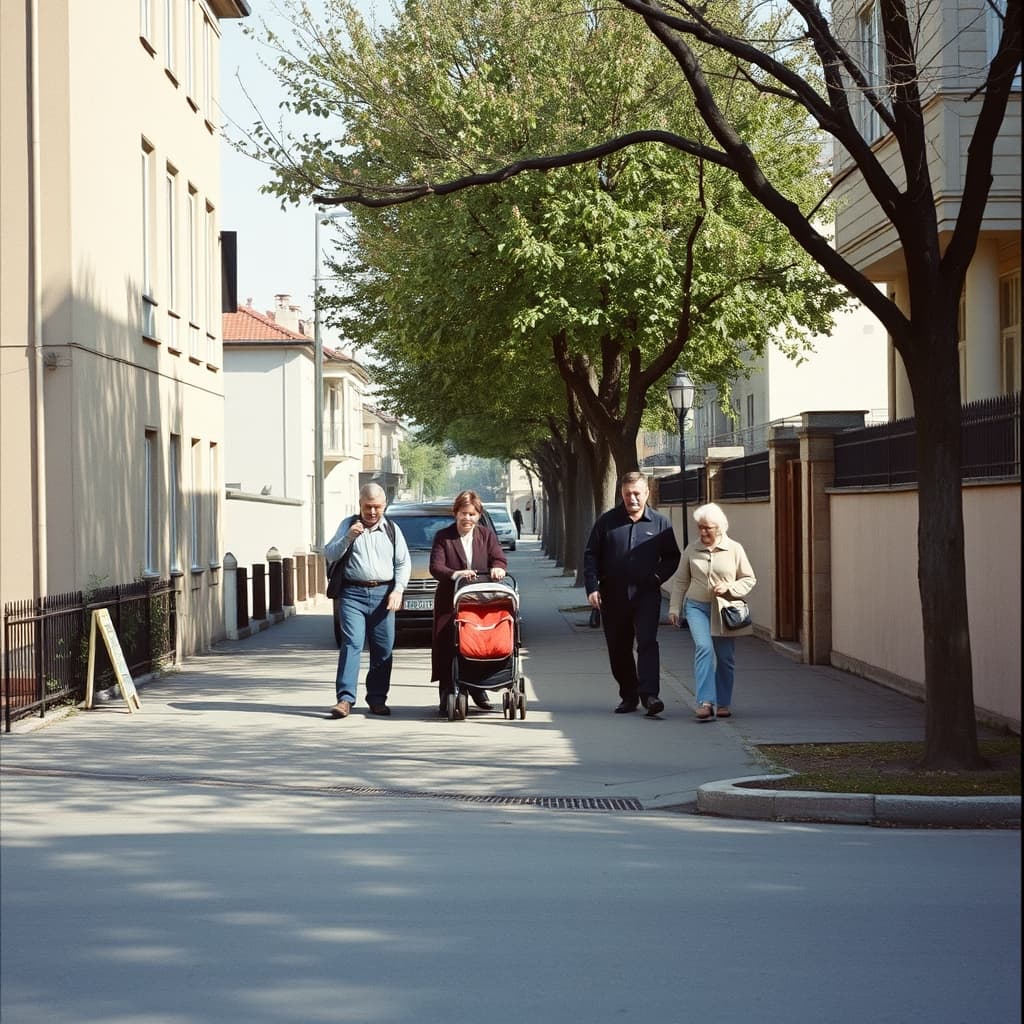
Before a family reached a park, cinema, relative's house, promenade, or picnic train, the street decided how safely the outing could begin. A swept pavement and familiar doorway might feel like a shared home, but that comfort depended on traffic control, clear walking space, lighting, drainage, public facilities, shop routines, and neighbours who helped without claiming ownership over public life.
Sunday streets varied by city, season, religious practice, work calendar, housing type, transport, and regulation. A central avenue, hillside lane, market street, apartment courtyard, and suburban road created different conditions. Street plans, traffic orders, cleaning schedules, shop permits, photographs, weather records, oral histories, and accessibility audits locate the actual experience.
The Pavement Was the First Family Facility
A continuous, firm, sufficiently wide pavement allowed children, older relatives, prams, and mobility devices to travel together. Broken surfaces, poles, parked vehicles, merchandise, rubbish bins, cellar doors, and café furniture could force people into traffic. Dropped kerbs and tactile guidance needed logical alignment with a safe crossing, not an abrupt end at a drain or barrier.
Crossing time, vehicle speed, sight lines, delivery movements, and turning behaviour influenced whether a family could stay together. Quiet streets were not automatically safe if drivers expected an empty road. Temporary closures or play streets require lawful planning, emergency access, visible barriers, and communication with residents, workers, and disabled users.
Preparation Was Work, Not Scenery
Municipal crews swept, collected waste, cleared drains, repaired lamps, inspected trees, and managed public toilets. Shopkeepers moved crates, cleaned thresholds, received early deliveries, and kept shutters or signs from blocking the route. Building caretakers and residents dealt with steps, snow, leaves, or water. The polished Sunday image rested on timed labour that deserves names, conditions, and pay records.
Trees supplied shade and seasonal identity, but roots, unstable branches, pollen, irrigation, and leaf fall required professional management. Benches and resting points helped people who could not walk continuously. Public toilets, drinking water, and baby-changing facilities determined the practical length of an outing, especially for children, older people, and some disabled travellers.
Neighbourly Care Needed Respectful Boundaries
A neighbour could give directions, watch for a reversing vehicle, help find a lost child, or call emergency services. Care should not become surveillance, gossip, discriminatory questioning, unsolicited touching, or control over how women, young people, migrants, minorities, and disabled people use the street. Safeguarding follows clear procedures and respects privacy.
Lighting should reveal faces, kerbs, crossings, steps, and signs without producing severe glare or dark gaps. Wayfinding must be readable and supported by landmarks, contrast, and accessible formats. Families also need a meeting point and a plan for separation. Children should know trusted helpers and essential contact information without displaying private details publicly.
Spring weather can change quickly. Rain makes stone slippery, wind affects branches and loose signs, and early warmth may increase sun exposure. Clothing, water, shelter, and route choices need current conditions. Historical photographs may show light coats and blossom, but they do not prove that every outing was comfortable or risk-free.
A Digital Nostalgia Archive can connect a Sunday doorway photograph with pavement design, crossings, cleaning, delivery windows, lighting, trees, seating, toilets, accessibility barriers, worker rosters, weather, and resident testimony. The street became a shared home when public systems and considerate behaviour made room for different households. Preserving that achievement means recording both affection and the practical conditions that allowed families to leave home safely.