 Eski Pano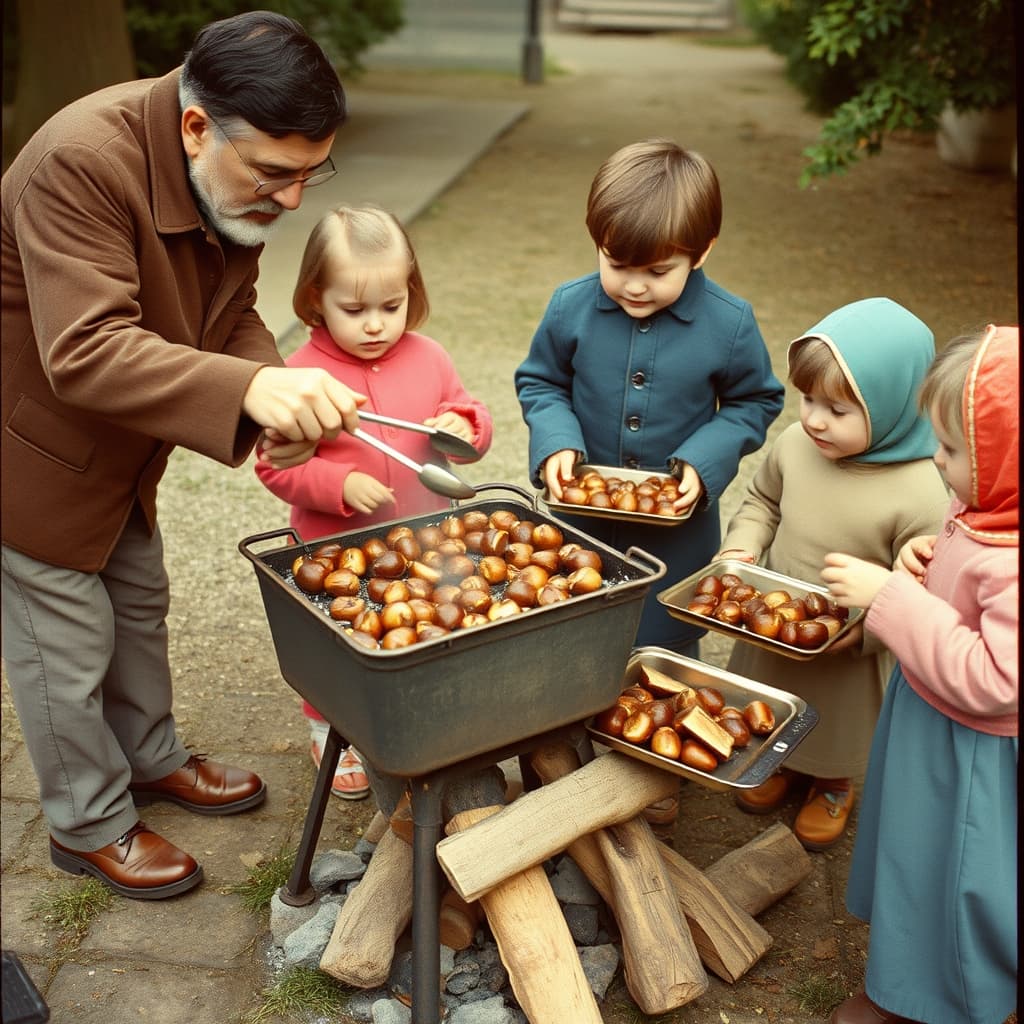
Chestnuts opening over glowing coal can recall a crowded table before anyone remembers the equipment that made the scene hazardous. The flavour came with combustion gases, sparks, hot metal, bursting shells, ash, and food handled by many hands. Sharing remains worth preserving, but a faithful account does not turn an improvised indoor brazier into a harmless tradition.
Methods varied between street cart, garden grill, stove, fireplace, oven, pan, and enclosed room. Fuel could be charcoal, coal, wood, gas, or electricity, each with different risks and flavour effects. Photographs, recipes, appliance instructions, fuel records, vendor permits, fire reports, health guidance, and family testimony should identify the actual method.
Combustion Belongs outdoors or in Approved Equipment
Charcoal and coal can produce carbon monoxide, an invisible and odourless gas that can cause severe poisoning and death. A window cracked open is not a safety system. Never use a charcoal grill or improvised brazier inside a home, tent, vehicle, enclosed balcony, or other poorly ventilated space. Follow current fire-service and public-health guidance for the location and appliance.
Symptoms such as headache, dizziness, weakness, nausea, confusion, chest discomfort, or collapse require immediate movement to fresh air when safe and urgent contact with emergency services. Do not re-enter a suspected space to rescue objects. Carbon monoxide alarms appropriate to the building add protection but do not make indoor solid-fuel cooking acceptable.
Fire Control Starts before Lighting
The cooking area needs a stable non-combustible base, distance from buildings and dry vegetation, controlled access, suitable extinguishing equipment, and an adult who stays attentive. Children and loose clothing remain away from hot metal and sparks. Fuel must never be accelerated with petrol, alcohol, or another unapproved liquid.
Ash and coals can stay hot long after the meal. They should cool completely in a designated metal container according to local fire guidance, away from combustible waste. Moving a brazier through a doorway or leaving it beneath an awning can spread both heat and gases. Weather, especially wind, changes spark travel and may require cancelling the plan.
The Chestnut Needs Inspection and a Controlled Cut
Choose sound chestnuts without mould, holes, leakage, or rancid odour. Wash and dry as appropriate. Scoring the shell helps steam escape, but knives can slip on the curved surface. Use a stable board, suitable tool, controlled technique, and supervision. A cut does not guarantee that every nut will behave predictably near heat.
Cook in batches so heat reaches the food without uncontrolled scorching. Tongs and heat-resistant protection reduce contact burns. Steam trapped beneath the shell can burn fingers and mouths after removal, so allow cooling before peeling and serving. Blackened surfaces and smoke are not reliable signs that the centre is ready.
Chestnuts and fragments can be choking hazards, particularly for young children, older people, or anyone with swallowing difficulty. Serve suitable pieces with close supervision and individual assessment. Cross-contact with allergens may occur through shared pans, gloves, tables, or seasonings. Clean hands, tools, serving dishes, and separation from raw foods remain important outdoors.
A Digital Nostalgia Archive can link the family tray with chestnut source, fuel, appliance, outdoor setting, weather, scoring tool, cook, serving practice, photographs, and safety changes adopted later. The culture of sharing survives when people can gather without repeating preventable exposure. Preserving the taste responsibly means naming the labour, heat, air, food, and fire controls that keep a generous table from becoming an emergency.