 Eski Pano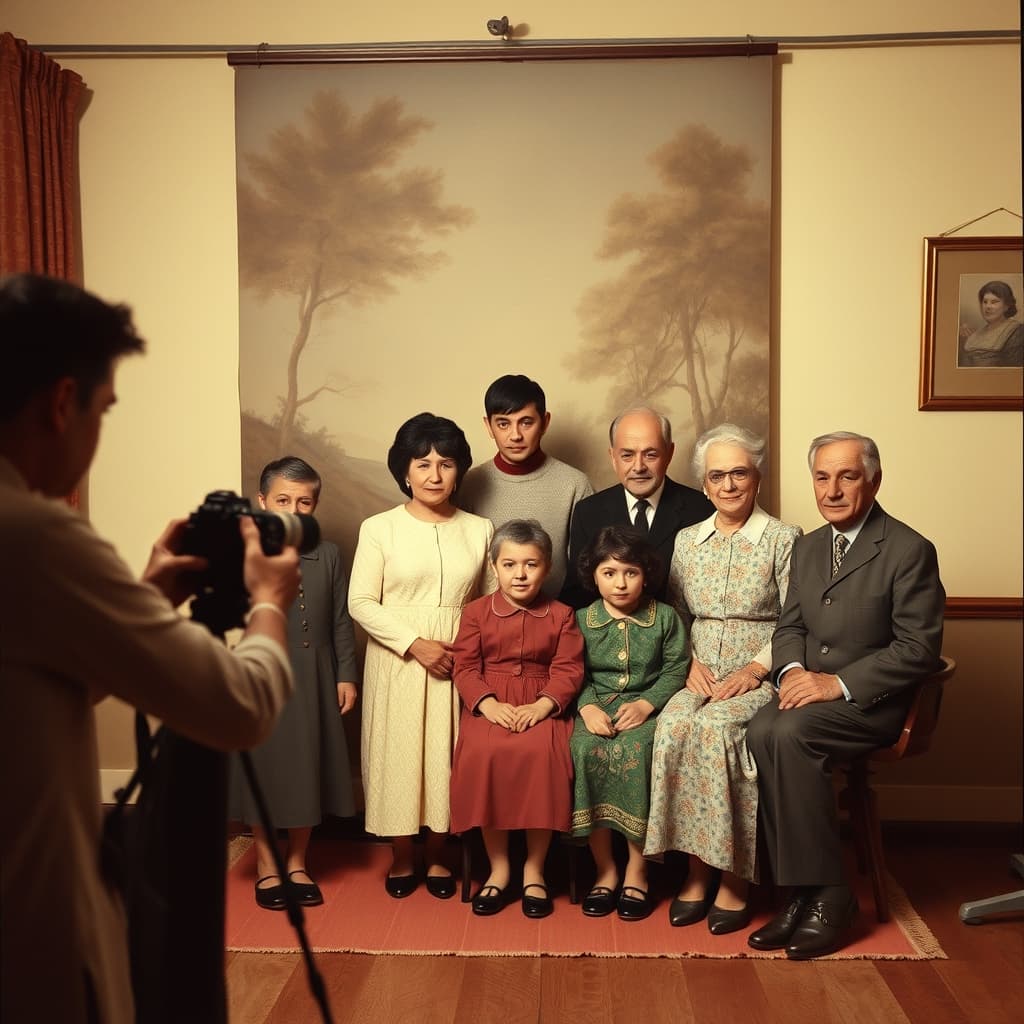
A family studio portrait may appear to offer a complete history because every person faces the camera and the setting looks deliberate. In reality, the image is a negotiated document. Sitters chose clothing and posture, photographers controlled light and framing, assistants arranged props, retouchers altered surfaces, and relatives later added names or stories. Preserving the portrait requires separating evidence from inherited assumption.
Studios varied by city, decade, clientele, format, equipment, business model, and social convention. A cabinet card, glass negative, roll-film portrait, passport photograph, painted enlargement, and digital scan have different production histories. Mount stamps, studio registers, negative numbers, invoices, envelopes, costumes, backdrops, newspapers, and family testimony can narrow identification and date.
A Caption Should Show What Is Known
Names written decades later may be valuable without being certain. A careful catalogue distinguishes a contemporary inscription, later family note, oral identification, visual inference, and unresolved question. Terms such as probably, attributed, or unidentified protect the record from false precision. Similar faces and repeated clothing are clues, not proof of identity.
Dating can use the studio address, photographer's trading years, card design, emulsion, dress, hairstyle, furniture, medals, school uniforms, or life events. Each clue has limits: clothes were reused, fashions travelled unevenly, and old backdrops remained in service. The strongest date usually comes from several independent sources rather than one decorative detail.
Authorship Extends beyond the Shutter
The named studio may represent an owner while camera operators, printers, colourists, reception staff, and retouchers remain anonymous. Painted highlights, softened skin, combined negatives, replaced backgrounds, and enlarged eyes were part of commercial practice in some periods. Digital restoration should document new interventions so viewers do not mistake a modern reconstruction for an untouched original.
Copyright depends on jurisdiction, date, authorship, employment, publication, and transfer. Owning a physical print does not always mean owning reproduction rights. Studio closure does not automatically place every image in the public domain. Before commercial or online use, the archive should investigate rights and record the basis for its decision.
Family Possession Is Not Universal Consent
Portraits can disclose adoption, illness, disability, religion, ethnicity, migration, military service, poverty, intimate relationships, or a child's identity. A relative who donates a box may not speak for every living person shown. Public access should consider consent, dignity, cultural restrictions, safety, and the possibility of harm from facial recognition or unwanted rediscovery.
Colourisation and generative reconstruction can help interpretation, but invented colours, repaired clothing, or imagined facial detail must be labelled. The original scan should remain available according to access rules, and edited files need separate identifiers. Enhancement should not erase scars, mobility aids, skin texture, or background evidence merely to fit a polished family ideal.
Physical care starts with clean dry hands or suitable gloves for negatives, stable sleeves, supported boxes, cool dry storage, and separation from food, sunlight, adhesives, and magnetic albums. Glass, nitrate, acetate, mould, flaking retouching, and stuck photographs require specialist assessment. Scanning reduces handling but cannot rescue every damaged original.
A Digital Nostalgia Archive can connect a portrait with the physical object, front and back, negative, studio, register entry, sitters, identifier confidence, photographer and staff, retouching history, rights status, consent decision, scan, and later edits. Studio portraits framed family history because they transformed a visit into an enduring claim about belonging. Responsible preservation keeps that claim open to evidence, correction, and the people whose faces made it possible.