 Eski Pano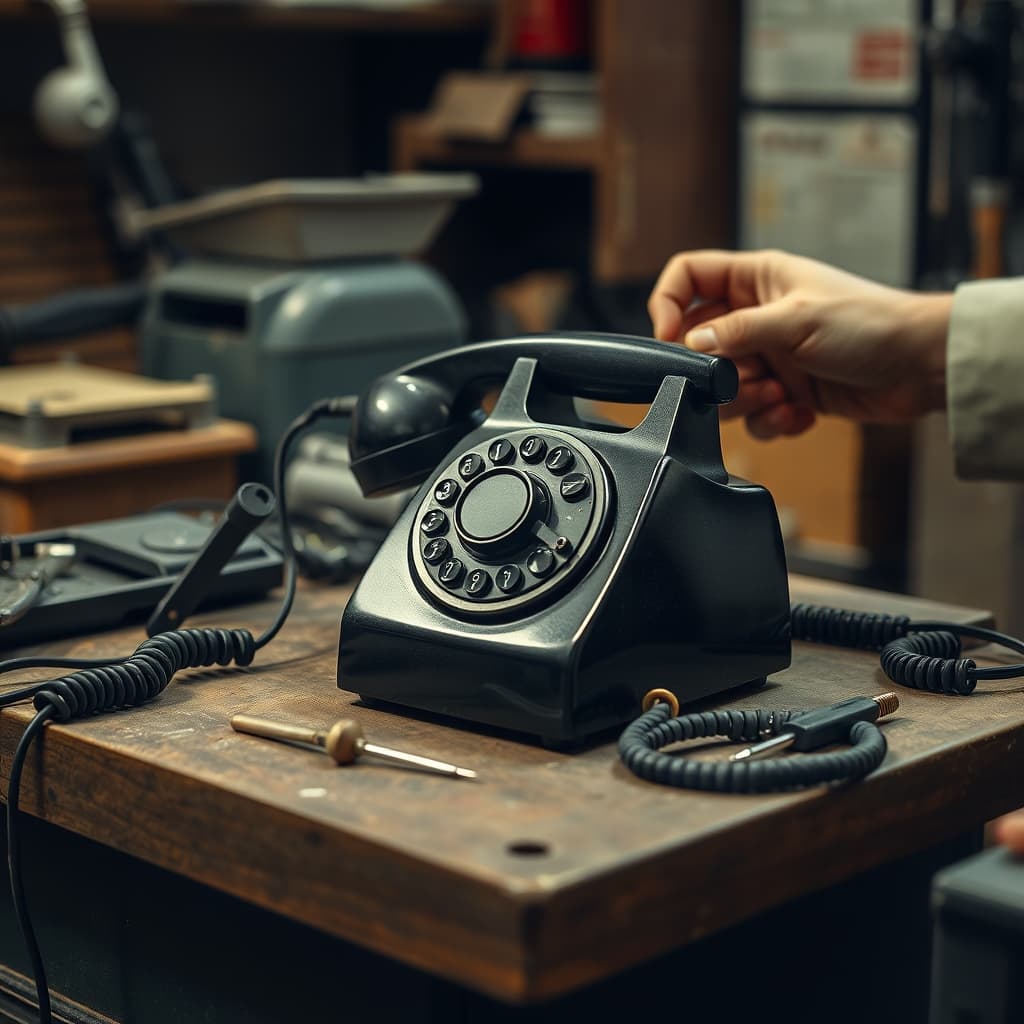
A rotary telephone on a repair bench could look complete while failing in several different ways. The dial might return unevenly, the handset cord could be damaged, the bell might remain silent or the problem might lie outside the instrument. A careful repairer did not begin by promising a second life. The first task was to locate the fault without erasing evidence through unnecessary replacement.
The telephone should also be separated from the “antenna” language sometimes attached to old technology memories. A conventional wired rotary instrument did not become clearer by turning an aerial. Radio and television repair may have occurred in the same workshop, but their operating rituals are not interchangeable. Naming the system correctly is part of preserving technical heritage.
The Dial Offered a Mechanical Clue
Turning the dial and observing its return could reveal whether movement was free, hesitant or obstructed. The exact timing and internal mechanism require model-specific knowledge and suitable test equipment. Forcing a stiff dial or adding an unknown household lubricant can damage materials and disturb the evidence a technician needs.
Finger holes, the stop and the centre label also show use. Wear may indicate repeated contact, but it cannot identify who called or how often. Photograph the dial before cleaning, including any number card while protecting personal data. A replacement card should be labelled rather than presented as original.
The Instrument and the Line Had to Be Separated
A silent telephone did not automatically contain a failed bell. Connections, service conditions and the line itself could be involved. A technician used appropriate procedures to distinguish external service from faults in cord, switch, dial or ringer. An archive should not turn a family memory of silence into a named component failure without a service note or informed examination.
Cords carried their own history. Twists, repairs, plugs and replacements can show adaptation across different installations. Their apparent age may not match the body. Treating every attached cord as factory-original can hide the practical changes through which the telephone remained useful.
Replacement Could Preserve Function and Lose Context
Changing a worn part might return the instrument to service, but the removed part should not automatically be discarded in a heritage collection. Label it with the date and reason for replacement when known. A later bell, cord or dial assembly becomes part of the object’s biography once the intervention is documented.
Cosmetic restoration raises a separate question. Polishing, repainting or replacing a cracked housing may make a display attractive while removing wear, marks and repair evidence. Document first. Where hazardous materials, damaged wiring or unknown electrical conditions are present, leave work to qualified professionals and keep the object disconnected for display.
A Repair Record Is More Valuable Than a Miracle Story
A useful record names the reported symptom, tests performed, findings, parts retained and final operating status. “Working” should mean under what safe conditions and with what compatible service—not merely that a bell sounded once. If the telephone cannot be connected, mechanical documentation and oral testimony still preserve its use.
Interview questions can recover who placed calls, where the telephone stood, how privacy was negotiated and when a repairer was consulted. These memories should remain distinct from technical diagnosis. The person who remembers a slow dial may accurately recall the sensation while misremembering the cause.
The rotary telephone’s second life was built through discrimination: line or instrument, dirt or wear, adjustment or replacement. That patient narrowing of possibilities is the workshop skill worth keeping. It respects the telephone as both a communication device and a layered object, rather than treating every old machine as something revived by one dramatic turn of a screwdriver.