Eski Pano
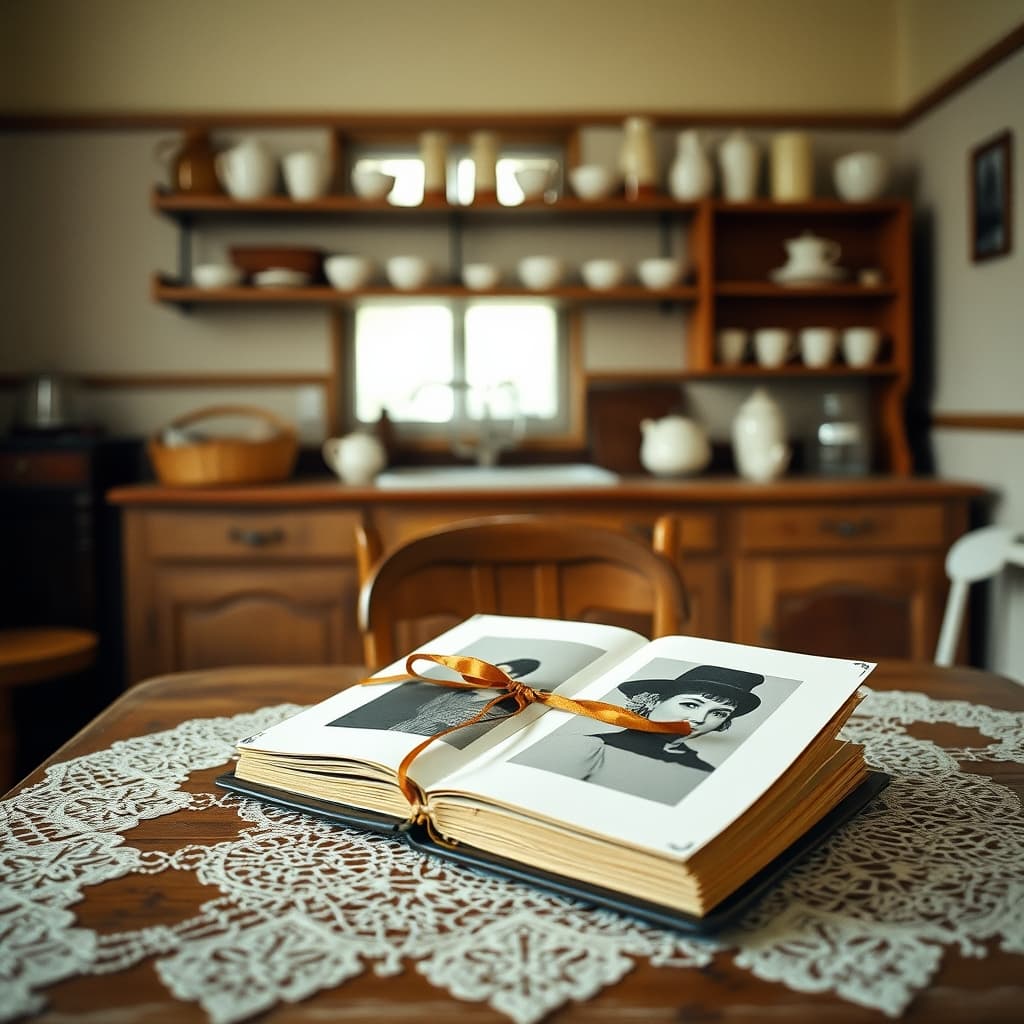
Some household objects never announce themselves loudly, yet they carry the full emotional weight of an era. A ribbon-tied photo album, a kitchen shelf lined with cups, jars, and embroidered cloths belong to that category. They existed not only for storage or function, but within invisible rules that organized domestic rhythm. The album stayed in the safest drawer of the living-room cabinet; shelf order was restored carefully on every cleaning day. The ceremonial side of home life grew through such repetitions.
The meaning of the ribboned album extended beyond the photos inside it. Opening it was rarely random. It usually happened when guests arrived, during calm evenings after holidays, or when children asked about old days. As the ribbon was untied, a quiet tension marked the start of storytelling. Behind each image stood a name, a date, a neighborhood episode. The album became a stage where family memory stayed alive through both visual record and spoken narrative.
The quiet splendor of kitchen shelves represented the aesthetic discipline of everyday life. Every object had a designated place: jam jars beside tea glasses, holiday cups on upper rows, soup bowls within easy reach. From outside, this looked simple; from inside, it carried a value system. Cleanliness, care, thrift, and respect were visible at once. The idea of a “good home” was read less through expensive possessions than through preserved small objects and orderly shelves.
From an object-story perspective, album and shelf together formed a domestic time archive. The album carried sequential past moments, while the shelf stabilized repeated gestures of the present. One was a place of remembering, the other a place of continuity. Children learned how to take a glass from the shelf and, at the same time, how to treat objects with care. Looking at black-and-white album photos, they located themselves in family history. Objects became tools of character formation rather than passive background.
Culturally, this quiet splendor came from household economies that treated sufficiency as virtue. A broken cup was repaired, not thrown away. A faded cloth was repurposed. A worn album cover received a newly sewn ribbon. Practices of repair and preservation deepened attachment to material things. In today’s rapid replacement culture, such habits can look outdated, yet they also built emotional durability for an earlier generation. Protecting objects meant protecting labor and memory.
As rituals formed around these items, time itself became visible. A wedding photo advancing through album pages showed children growing up; changing plate patterns on shelves marked passing years. Material change and life cycle were read side by side. That is why seeing a ribboned album or old-style shelf today evokes more than image. It recalls how a home functioned: tone of conversation, style of hosting, patience of routine.
Ultimately, the quiet splendor of ribbon-tied albums and kitchen shelves did more than beautify interiors; it established behavioral systems. Habits of careful storage, respectful use, shared viewing, and shared storytelling nourished family continuity. Nostalgia here is not object worship. It is recognition that rituals built around objects created a cultural backbone. What we call home often became home through meanings carried by these quiet things.
The Quiet Splendor Preserved in a Ribbon-Tied Photo Album and Kitchen Shelves: How İt Shaped the Rituals of Domestic Life